
DPPH Calls For Measles Emergency Declaration
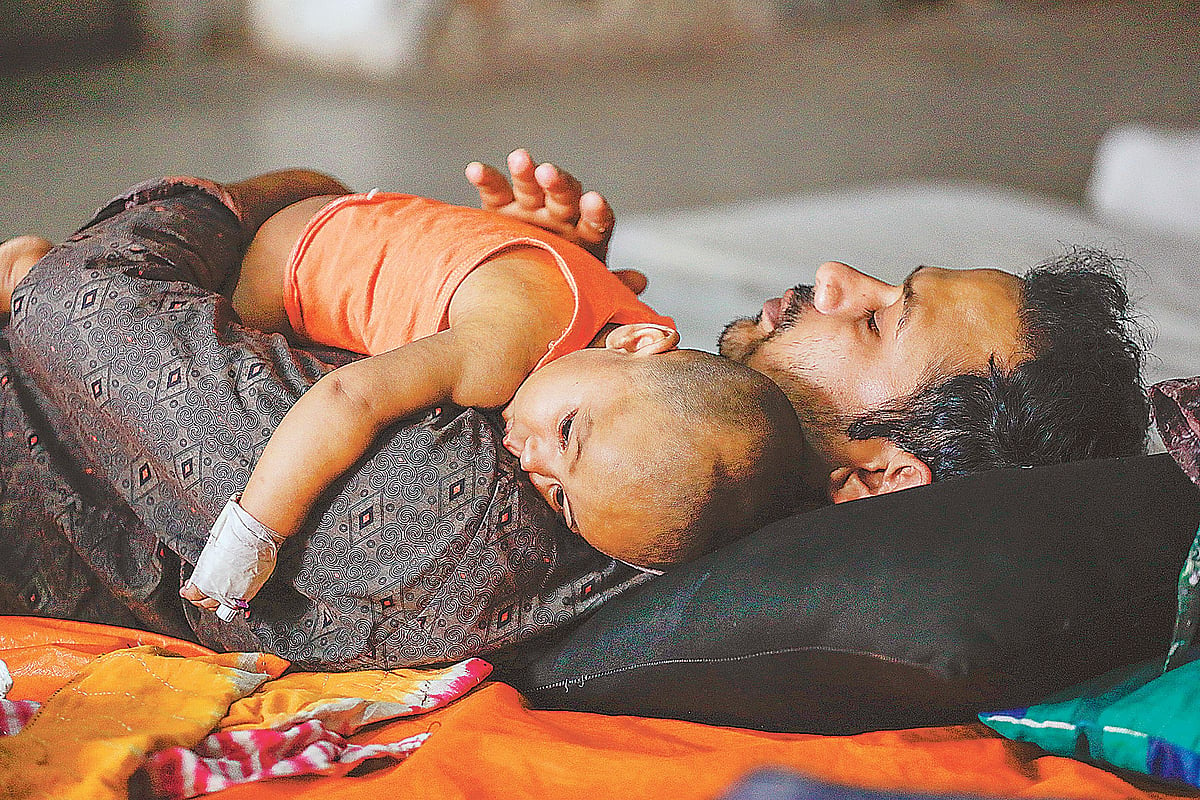
Photo Collected
A prominent doctors’ platform on Saturday urged the government to declare the escalating measles outbreak a national epidemic, demanding immediate, robust public health interventions as rising cases and fatalities threaten to overwhelm the healthcare system. The Doctors’ Platform for People’s Health (DPPH) made the appeal at a press conference in Dhaka, highlighting the severe impact on children and deficiencies in current response mechanisms.
The Doctors’ Platform for People’s Health defined a public health emergency as an “unusual spread of a disease in terms of time, place, and affected individuals, with an increase in cases and deaths that the health system cannot manage.” The organization asserts that the current measles situation has reached this critical threshold, necessitating the government’s formal declaration of an emergency.
বিজ্ঞাপন
Public health expert Mushtaq Hossain acknowledged that the government is undertaking various measures, including canceling doctors’ leave, ensuring continuous service, and appointing additional medical staff to combat the epidemic. However, he noted that a formal declaration remains outstanding despite these efforts.
Dr. Abu Mohammad Zakir Hossain, former director of the Institute of Epidemiology, Disease Control and Research (IEDCR), warned that measles spreads faster than COVID-19. He emphasized that even after vaccination, immunity takes two to three weeks to develop, making immediate action crucial. Dr. Zakir also revealed a stark increase in the measles mortality rate, which has jumped from three deaths per thousand cases to ten deaths per thousand. He stressed the government’s urgent need to investigate the reasons behind this rising mortality.
বিজ্ঞাপন
Former Bangladesh Medical Association (BMA) President Rashid-e-Mahbub underscored that marginalized children are disproportionately affected by the current crisis, urging the government to prioritize their protection. Child specialist Kazi Rakibul Islam pointed out that during an interim government period, not only were measles vaccinations neglected, but effective initiatives to prevent post-measles complications, such as night blindness, were also overlooked.
To combat the crisis, DPPH outlined several urgent demands. These include the immediate launch of a nationwide mass vaccination program, strengthening healthcare infrastructure from the upazila to central levels for swift detection and treatment of affected children, and initiating effective public awareness campaigns to counter misinformation and rumors surrounding vaccinations. The platform also called for a robust disease surveillance system and the formal declaration of an emergency health situation.
Beyond immediate actions, DPPH presented a series of policy recommendations aimed at long-term health system resilience. Key among these are reinforcing nutrition and Vitamin A programs, prioritizing malnourished children, and strengthening initiatives for breastfeeding and overall nutrition. The organization advocated for implementing comprehensive health reforms, increasing the health budget, and reactivating the national measles elimination strategy. They also emphasized bolstering vaccine supply, achieving national self-sufficiency in vaccine production, and providing constitutional recognition of health as a fundamental human right. Finally, DPPH urged the rapid and full operationalization of six specialized children’s hospitals established across the country’s divisions.
Source: Prothom Alo Bangla
0%
0%
0%
0%