
Decaying infrastructure and budget shortfalls push BFDC to the brink of collapse
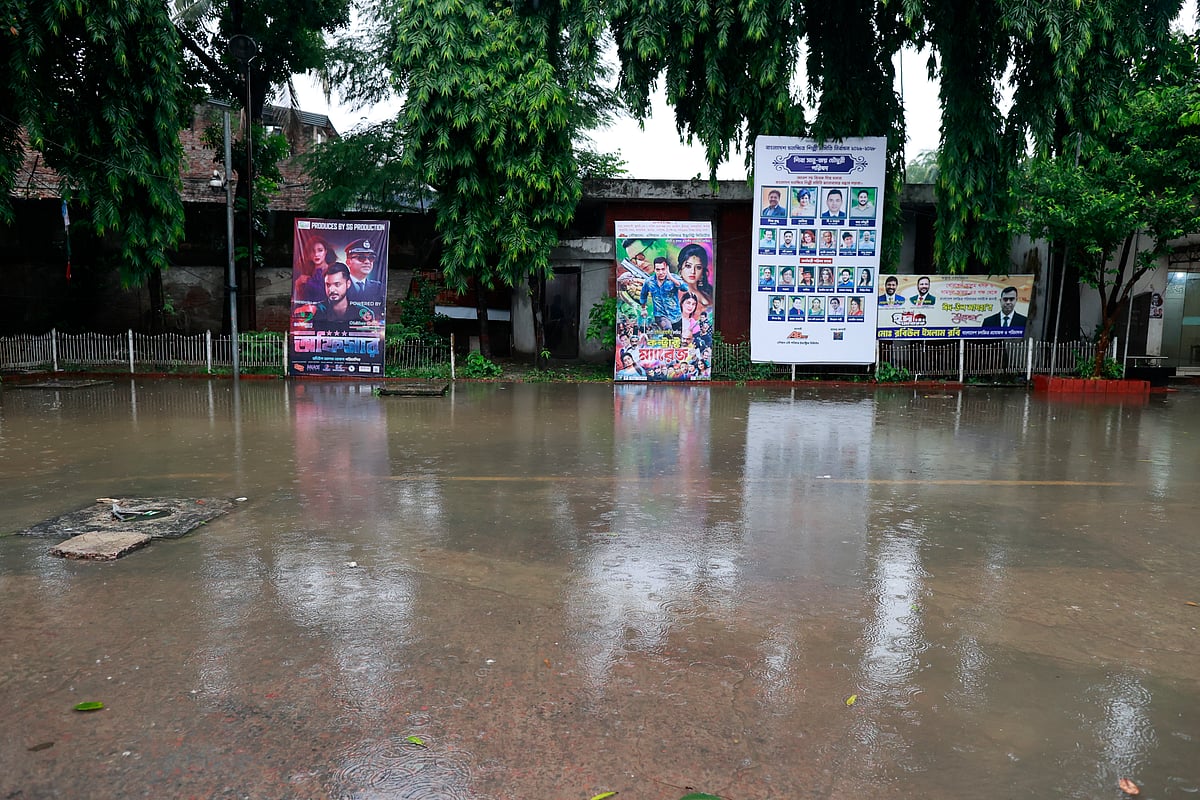
Photo Collected
The Bangladesh Film Development Corporation (BFDC), the historic cornerstone of the nation’s cinema industry, is currently grappling with a severe infrastructure crisis that threatens its operational viability. Once the bustling epicenter of a flourishing film culture, the state-run institution now faces crumbling facilities, leaking roofs, and outdated equipment, leaving its remaining five active shooting floors in a state of decay.
According to internal reports, the facility requires an urgent investment of approximately 15.7 million taka for critical repairs to its roofs and drainage systems. Although managing director Masuma Rahman submitted a formal funding request to the Ministry of Information and Broadcasting last April, the proposal remains stalled, with authorities citing only verbal assurances.
বিজ্ঞাপন
The facility’s decline is stark. Of the original nine shooting floors, three were demolished to make way for a new complex that has yet to be completed, and one has been converted into a storage space for lighting equipment. The remaining floors, which generate roughly 2 million taka in monthly revenue, are plagued by structural cracks, moisture, and pest issues. During monsoon season, the situation worsens as roof leaks and overflowing drains frequently disrupt filming, forcing crew members to engage in constant damage control to protect expensive production gear.
Filmmakers who rely on the BFDC for its unique spaciousness—such as the production team of “Bonolata Express”—have noted that while the facility remains essential for large-scale set construction, the user experience is hindered by failing amenities. Producers have reported significant issues regarding sanitation, poor ventilation, and the necessity of renting additional external equipment due to the obsolescence of the corporation’s own machinery.
বিজ্ঞাপন
The institution’s fiscal health has shifted dramatically since its peak in the 1980s. Historically self-sustaining, the BFDC has relied on government grants since 2014 to cover its mounting deficit. With a monthly operational expenditure of 1.1 million taka and an average income of only 3 million taka, the corporation faces a widening budget gap. In a recent report to the government, officials estimated a deficit of over 20 million taka for the 2025-26 fiscal year, noting that the ongoing construction of a long-delayed modern complex has further curtailed revenue-generating activities.
Technical and engineering officials at the BFDC describe a bygone era when the floors operated 24 hours a day, buzzing with the presence of legendary actors and constant production cycles. Today, the facility, which also holds the status of a Key Point Installation (KPI), struggles with security concerns and a lack of modern technical upgrades—with no significant equipment procurement occurring since 2016.
Despite the current stagnation, there is a stated goal to transform the BFDC into a premier regional film service center by 2030. However, with the infrastructure project currently only 53 percent complete and the institution’s reliance on outdated analog-era logistics in an increasingly digital industry, the path to revitalization remains uncertain. The corporation has appealed to the interim government for a 118 million taka allocation to cover staff salaries, pension benefits, and urgent modernization, emphasizing that without immediate intervention, the legacy of Bangladesh’s film hub risks further fading into obsolescence.
0%
0%
0%
0%