



Bangladesh Smartphone Prices Face Potential Hike as Tax Waiver Expires
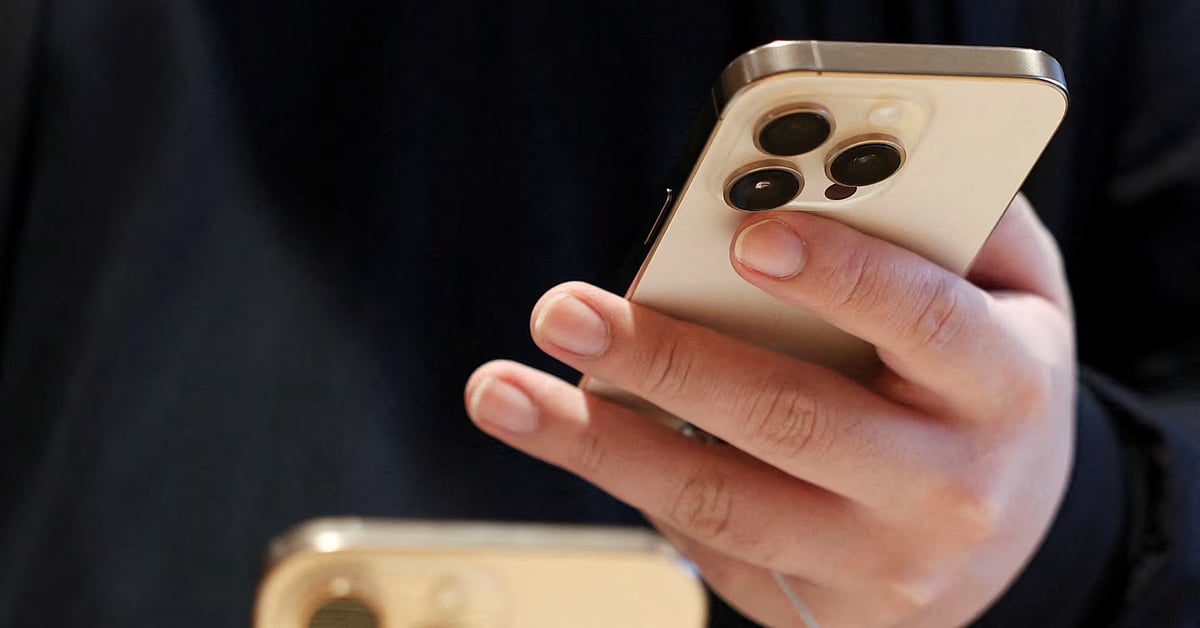
Photo Collected
Consumers in Bangladesh face a potential sharp increase in smartphone prices starting July 1, as a temporary tax exemption on imported handsets is set to expire at the end of this month. The interim government had granted a 15% reduction in import duties in January to lower costs for consumers, but unless the policy is extended, the total tax burden on imported mobile devices is projected to surge to 64.25%.
The Mobile Phone Industry Owners Association of Bangladesh (MIOB) has formally communicated its concerns to the Bangladesh Telecommunication Regulatory Commission (BTRC), warning that retail prices for imported handsets could climb by 20% to 25% if the tax relief is not renewed. MIOB President Zakaria Shahid noted that the industry is already grappling with rising costs for critical components such as memory chips, motherboards, processors, and batteries, which has limited the room for price adjustments. He warned that any further tax hike would likely drive more consumers toward the “grey market,” where unofficial, tax-evaded devices are sold.
বিজ্ঞাপন
In January, the government lowered customs duties on mobile imports from 25% to 10%, effectively bringing the total tax incidence—including VAT and advance income tax—down to 43.43%. Despite these efforts, the proposed national budget for the upcoming fiscal year does not include a continuation of these incentives. BTRC Chairman Major General (Retd.) Emdad Ul Bari declined to comment on the potential shift in policy.
The local mobile industry, which has seen growth in domestic assembly over the last decade, primarily focuses on entry-level and mid-range devices. Industry experts emphasize that premium models from global brands like Apple, Google, and Samsung remain difficult to produce locally due to complex supply chains and specialized component requirements. Consequently, the reliance on imports remains high, leaving the market sensitive to shifts in fiscal policy.
বিজ্ঞাপন
Earlier this year, the government aimed to curb the grey market by simultaneously reducing import taxes and moving to implement the National Equipment Identity Register (NEIR). The strategy was designed to bridge the price gap between official and unofficial handsets, thereby encouraging legal purchases. However, the anticipated impact has been minimal; traders previously increased prices on various models by 500 to 5,000 taka, citing global supply chain volatility, while unauthorized devices continue to be sold openly in markets across the capital.
Technology entrepreneur Fahim Mashroor expressed deep concern over the looming price hikes, arguing that smartphones are now essential tools for education, income, and digital services rather than luxury goods. He stated that increasing the cost of handsets restricts access to digital infrastructure and places an undue financial burden on ordinary consumers, suggesting that the government should treat mobile devices as a fundamental component of the digital economy by maintaining lower tax rates.
0%
0%
0%
0%