Bangladesh protests after India allows ousted leader Sheikh Hasina to host virtual press conference from New Delhi
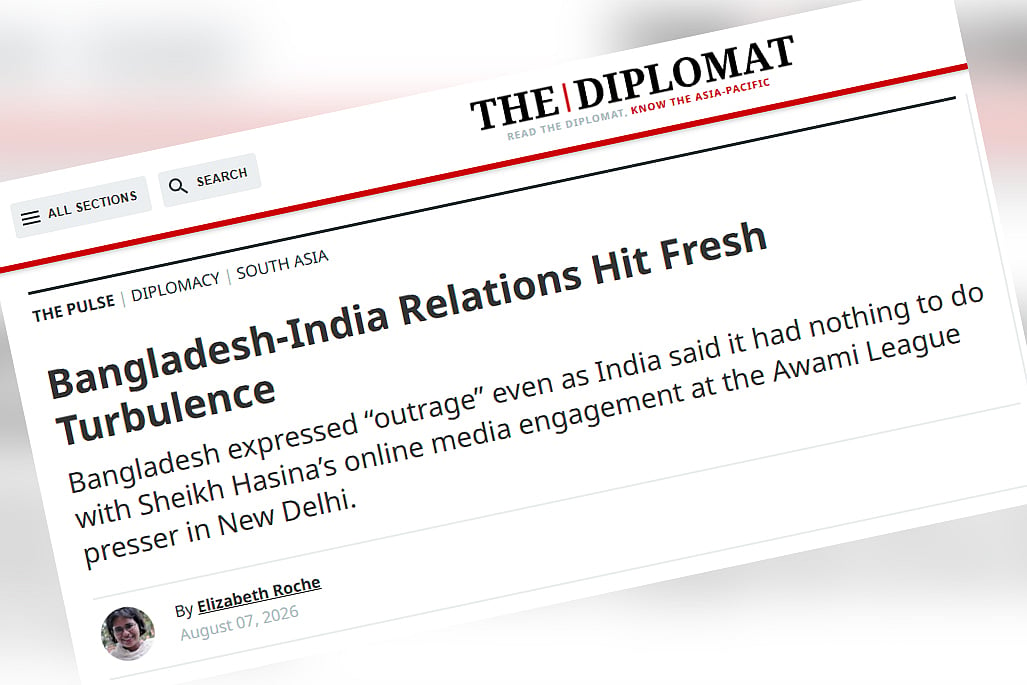
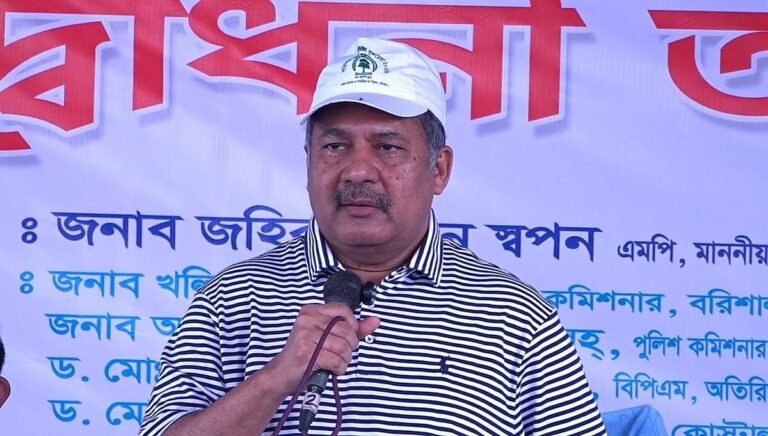
Photo Collected
The Bangladeshi government has issued a sharp diplomatic protest to India following a virtual press conference held by ousted Prime Minister Sheikh Hasina from New Delhi. The event, organized by the Foreign Correspondents’ Club (FCC) South Asia on Wednesday, marked the first time the 78-year-old former leader has addressed an audience via a live online platform since fleeing to India two years ago.
Sheikh Hasina, who was convicted and sentenced to death in absentia for crimes against humanity related to the 2024 student-led uprising that ended her long tenure, used the forum to announce plans to return to Bangladesh this December. Her Awami League party remains banned in Bangladesh following the regime’s collapse.
The Bangladesh Ministry of Foreign Affairs expressed “deep frustration” and anger over the event, describing it as an insult to the sovereignty of Bangladesh and the martyrs of the July revolution. Officials in Dhaka had previously warned the Indian government that allowing Hasina and her associates to use Indian soil for political rhetoric would damage bilateral relations and undermine efforts to rebuild ties.
Responding to the controversy, Indian Ministry of External Affairs spokesperson Randhir Jaiswal stated that the Indian government had no involvement in the event and does not endorse the opinions expressed therein. However, regional analysts suggest that New Delhi’s perceived leniency toward the former leader complicates efforts to normalize relations with the current administration under Prime Minister Tarique Rahman.
Michael Kugelman, a South Asia analyst at the Wilson Center, noted that Hasina’s return declaration could serve as a desperate move to retain political relevance or attempt to clear her name. He warned that her physical return would almost certainly lead to immediate arrest and heighten the risk of violent unrest, as both her supporters and opponents would be mobilized by her presence.
Zahed Ur Rahman, an advisor to the Bangladeshi government, reiterated that Dhaka has formally requested Hasina’s extradition and remains prepared to ensure she faces justice. “We are ready. Let her come, and we will ensure justice is served,” he said.
The incident occurs as the two nations attempt to recalibrate their relationship. Since the transition to the current government, which succeeded the interim administration, India has taken steps to rebuild confidence, including high-level diplomatic visits, fuel shipments, and an invitation for Prime Minister Tarique Rahman to attend the upcoming BRICS summit in India.
Despite these strategic overtures, the presence of the ousted leader in New Delhi remains a primary diplomatic friction point. Analysts maintain that while forced extradition is unlikely due to India’s legal processes, the diplomatic fallout from the recent press conference necessitates proactive damage control by New Delhi to ensure the stability of the 4,100-kilometer border and broader regional cooperation.
0%
0%
0%
0%