

Bangladesh Gas Crisis Deepens as Technical Glitches and Supply Disruptions Hit LNG Terminals
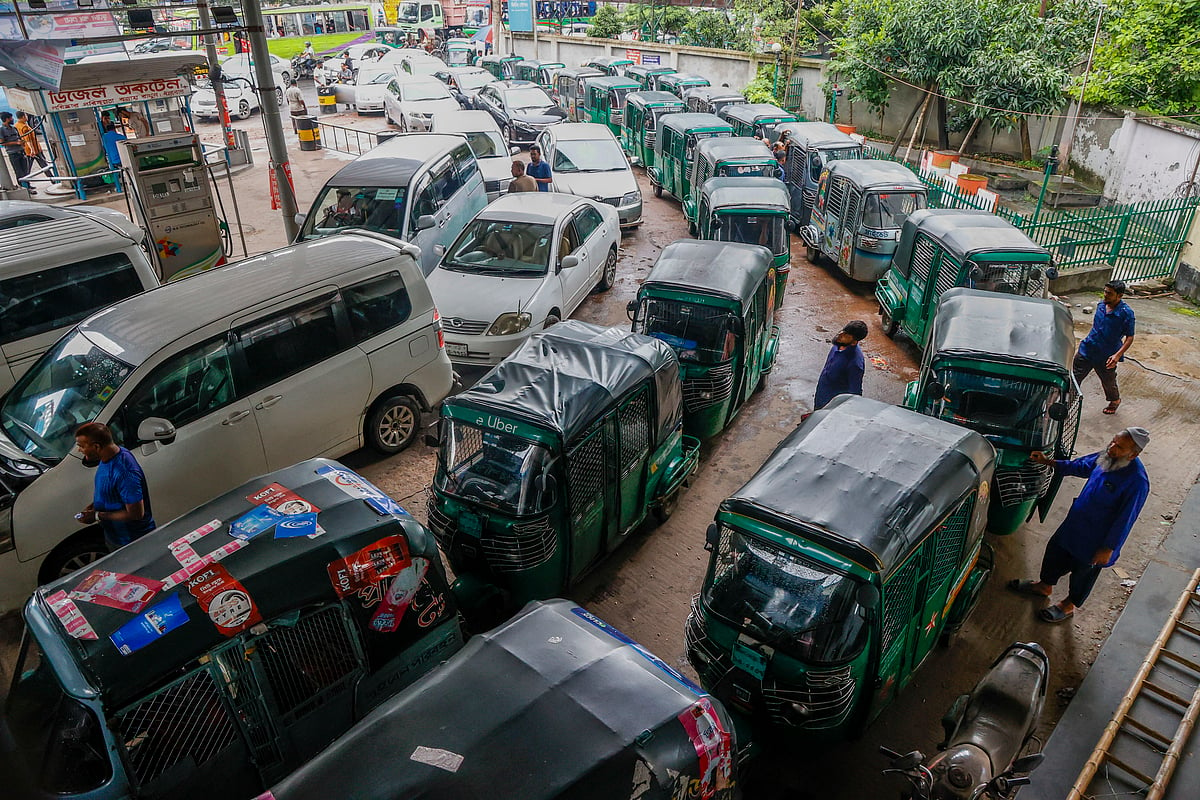
Photo Collected
Bangladesh is grappling with a severe, prolonged natural gas crisis that has intensified following a temporary shutdown of the Summit Group’s floating liquefied natural gas (LNG) terminal. While a new shipment of LNG arrived in the Bay of Bengal on Friday evening, officials expect the supply to stabilize incrementally through the weekend.
The crisis, which has persisted for over three weeks, worsened Thursday afternoon when operations at the Summit terminal were suspended. According to industry sources, a vessel dispatched by Vitol Asia successfully connected to the Summit terminal on Friday evening. Officials from Petrobangla, the state-owned oil and gas corporation, stated that the transfer of LNG from the ship to the pipeline system typically requires seven to eight hours. Consequently, limited supply resumed late Friday, with expectations that full capacity of 500 million cubic feet per day could be reached by Saturday morning.
Adding to the supply volatility, the Excelerate Energy terminal—the second of the two floating units located in Maheshkhali—faced a sudden technical failure on Friday afternoon. This disruption compounded the national shortage, which has already hindered industrial production, electricity generation, and residential cooking. State Minister for Power, Energy and Mineral Resources Nasrul Hamid stated that while the Summit terminal is returning to operation, authorities are working to resolve the mechanical issues at the Excelerate site.
The supply chain faced prior complications when an LNG carrier sent by Saudi Aramco proved incompatible with local ship-to-ship transfer protocols, creating safety risks during adverse weather conditions. The vessel was rejected and is slated for return, with Vitol Asia providing a replacement ship that is fully compatible with the terminal’s infrastructure.
Currently, Bangladesh faces a total daily gas demand of 3.8 billion cubic feet, with normal operations maintaining a supply of approximately 2.7 billion cubic feet. With the recent disruptions, national supply levels dropped to roughly 1.93 billion cubic feet. Even with the Summit terminal resuming operations, the total supply is expected to hover around 2.43 billion cubic feet, leaving a significant deficit.
The Excelerate terminal, which has a capacity of 600 million cubic feet, has been operating at reduced capacity since a fire incident on July 21 damaged one of its two boilers. Although the surviving boiler was operational, the recent technical failure halted all output from the facility. Petrobangla officials noted that when repair work on the damaged boiler eventually commences, the terminal will require a total shutdown of at least 72 hours, though no specific timeline for this maintenance has been finalized.
Energy experts warn that while the restoration of terminal operations will provide temporary relief, the reliance on imported LNG and unpredictable maritime conditions leaves the nation vulnerable to further shortages. Authorities are currently relying on moderate weather patterns to keep electricity demand in check, as any spike in temperatures could force a return to significant load-shedding.
0%
0%
0%
0%