
Rising Drug Costs Spark Debate Over Regulatory Oversight and Market Competition in Bangladesh
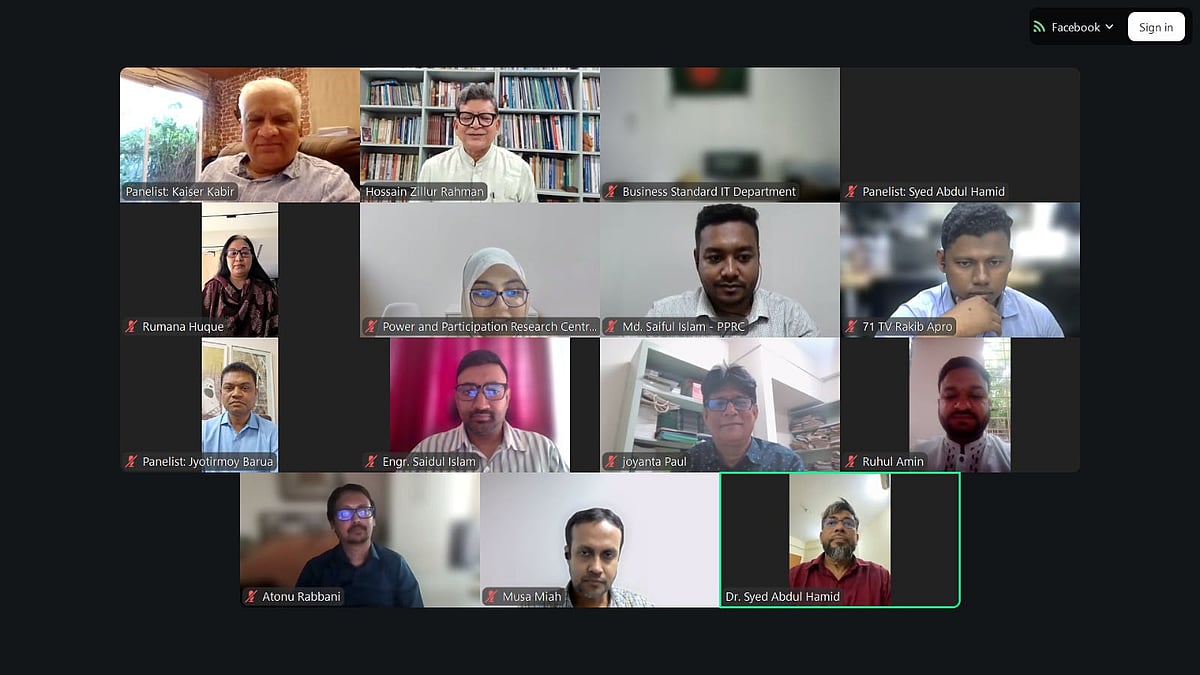
Photo Collected
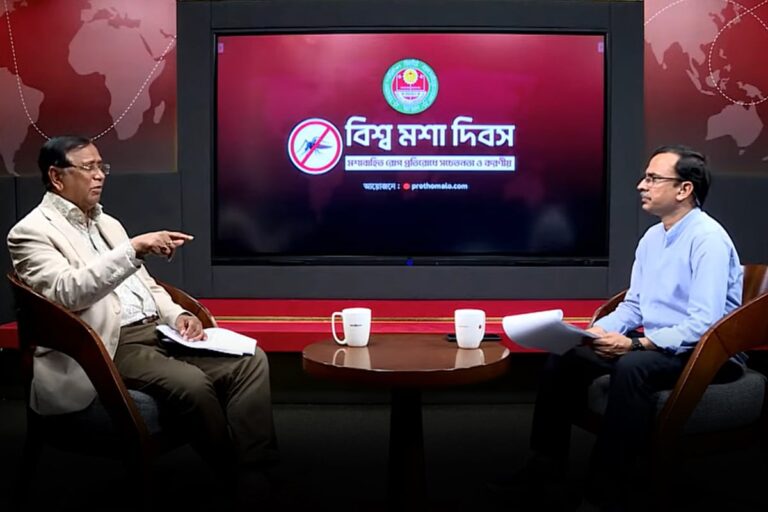
More than 60 percent of healthcare expenditure in Bangladesh is allocated to the purchase of medicines, a financial burden that falls predominantly on patients as public hospitals grapple with inadequate supply. The issue took center stage during a webinar titled “Drug Prices: What Logic? Whose Logic? What is the Solution?” hosted by the Power and Participation Research Centre (PPRC) on Saturday.
Moderated by PPRC Executive Chairman Hossain Zillur Rahman, the discussion brought together public health experts, economists, legal professionals, and representatives of the pharmaceutical industry to address the escalating costs of medication and the state of regulatory oversight.
Public health expert Mushtaq Hossain criticized the recent decision to scrap the Essential Drugs List 2026 and the 2026 drug pricing methodology. He argued that the move effectively shifts the entire pharmaceutical market to an open-market system prone to syndication rather than healthy competition. He suggested that instead of a total cancellation, the government should have pursued further stakeholder consultation.
Representing the industry, Kaiser Kabir, CEO of Renata Limited, argued that market competition, rather than direct government price control, is a more effective mechanism for the sector. He maintained that Bangladesh already offers some of the most affordable medicines in the region due to intense local competition. Kabir urged the government to focus on universal health coverage for chronic illnesses like cancer, diabetes, and hypertension, rather than imposing price caps.
Mosaddek Hossain, Senior Vice President of the Bangladesh Association of Pharmaceutical Industries (BAPI), noted that local manufacturers supply 98 percent of the country’s demand. He highlighted that the failure to adjust the prices of 117 essential drugs over an extended period has led to supply shortages, as companies have ceased production of medications that became unprofitable.
Syed Abdul Hamid, a professor at the Institute of Health Economics at Dhaka University, corroborated these concerns, noting that the absence of price adjustments since 1994 has forced many manufacturers out of business. He argued that delegating price control to a government-led committee—rather than an independent regulatory body—creates a cycle where necessary price corrections are deferred due to political concerns.
Supreme Court lawyer Jyotirmoy Barua criticized the legal framework, specifically pointing to the 2023 law which narrowed the government’s power to control prices solely to a list of specific drugs—a list that has yet to be finalized. Citing instances of extreme price volatility, Barua pointed to cases where the price of a single medication surged by 600 taka in a single month, questioning the lack of accountability in current market practices.
Economist Rumana Huq of Dhaka University emphasized that while the state-run Essential Drugs Company Limited (EDCL) provided 8.3 billion taka worth of medicine to public health centers in the 2021-22 fiscal year, the supply remains insufficient. She called for stricter oversight to prevent the illicit sale of government-provided medicines in the open market and urged authorities to promote the distribution of generic drugs to reduce the burden on patients.
0%
0%
0%
0%
More News from Health