Doctor Turned Breast Cancer Survivor Shares Her Journey Of Overcoming Complacency
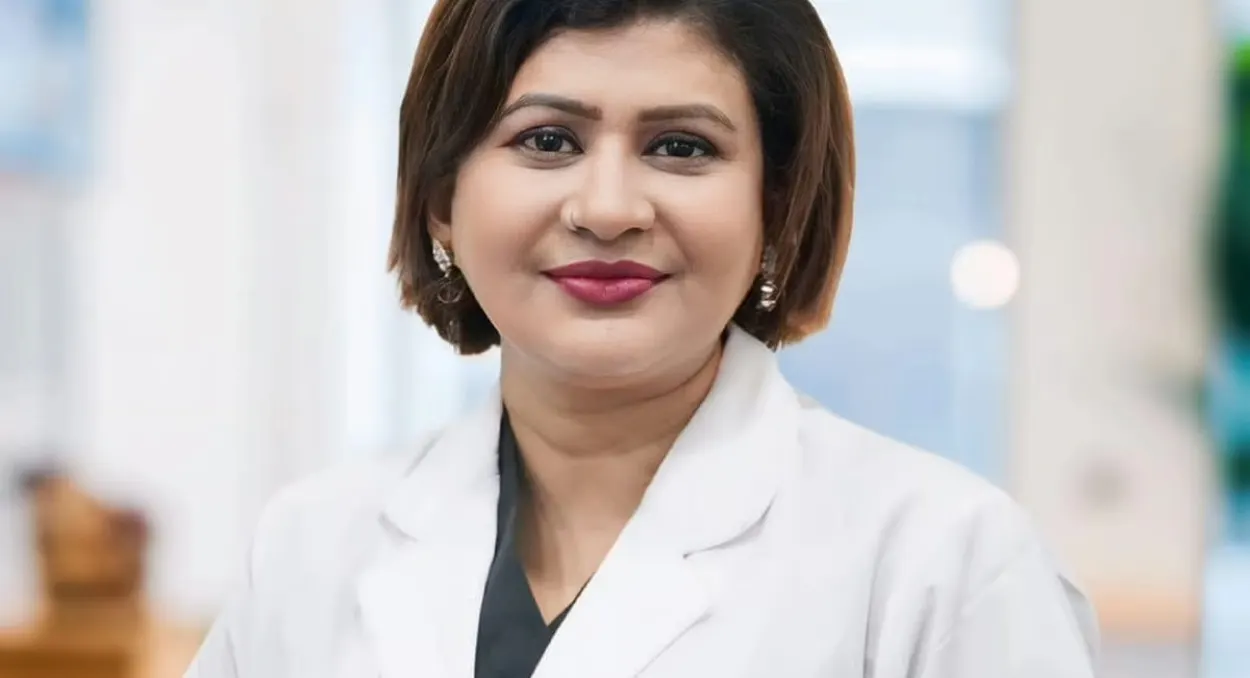
When a physician contracts the very disease they have spent years treating, the experience transcends the personal to profoundly reshape their clinical perspective, decision-making framework, and understanding of life itself. This profound realization forms the core of a narrative shared by a female physician and breast cancer survivor, who navigated the complex psychological and professional transition from healer to patient during the global pandemic.
Reflecting on her career path, the physician recalled that the period leading up to her diagnosis was marked by rigorous professional and academic engagements. As she contemplated specializing further within plastic surgery—weighing options between hand surgery, microsurgery, and breast surgery—she initially leaned toward hand surgery. Although breast-related issues already accounted for more than half of her private practice and she recognized the scarcity of female specialists in the field in Bangladesh, she sought international training in hand surgery to address a relatively neglected domestic medical specialty.
However, a personal health journey intervened to teach her a vastly different lesson. Having noticed a small lump in her breast as early as 2019, she initially dismissed it as benign, relying on an ultrasound-guided fine-needle aspiration cytology (FNAC) report that indicated fibrocystic disease. By March 2020, her focus was centered on traveling to Australia for a hand surgery conference, though she continued to monitor the lump independently. While abroad, she noticed the mass felt slightly firmer, prompting discussions with two breast specialist friends and a plan to undergo surgical removal upon her return to Bangladesh.
Her plans were upended by the sudden onset of the COVID-19 pandemic, which forced the conference to close prematurely and plunged her return into an atmosphere of intense uncertainty, widespread illness, mask shortages, and postponed personal medical procedures. Looking back, she candidly acknowledged a critical clinical oversight, noting that had the patient been someone else under her care, she would have immediately recommended a core biopsy rather than relying solely on FNAC, illustrating how physicians often lose their clinical objectivity when evaluating their own health.
The turning point arrived during the height of the pandemic when, after evaluating three advanced breast cancer patients within a single week, she decided to proceed with a core biopsy. Three days later, a pathologist friend informed her that while most cores displayed fibrocystic changes, one section exhibited abnormal alterations, a finding subsequently confirmed by a senior pathologist pointing toward potential malignancy. Despite lingering hope that the condition would prove benign, subsequent diagnostic evaluations—including an ultrasound, mammogram, and breast MRI—steadily intensified medical suspicions until the diagnosis of breast cancer officially appeared beside her name, reducing years of textbook knowledge and hundreds of surgical operations into a stark, deeply personal reality.