
Panchagarh Tea Garden Workers Transition to Digital Payroll System via bKash
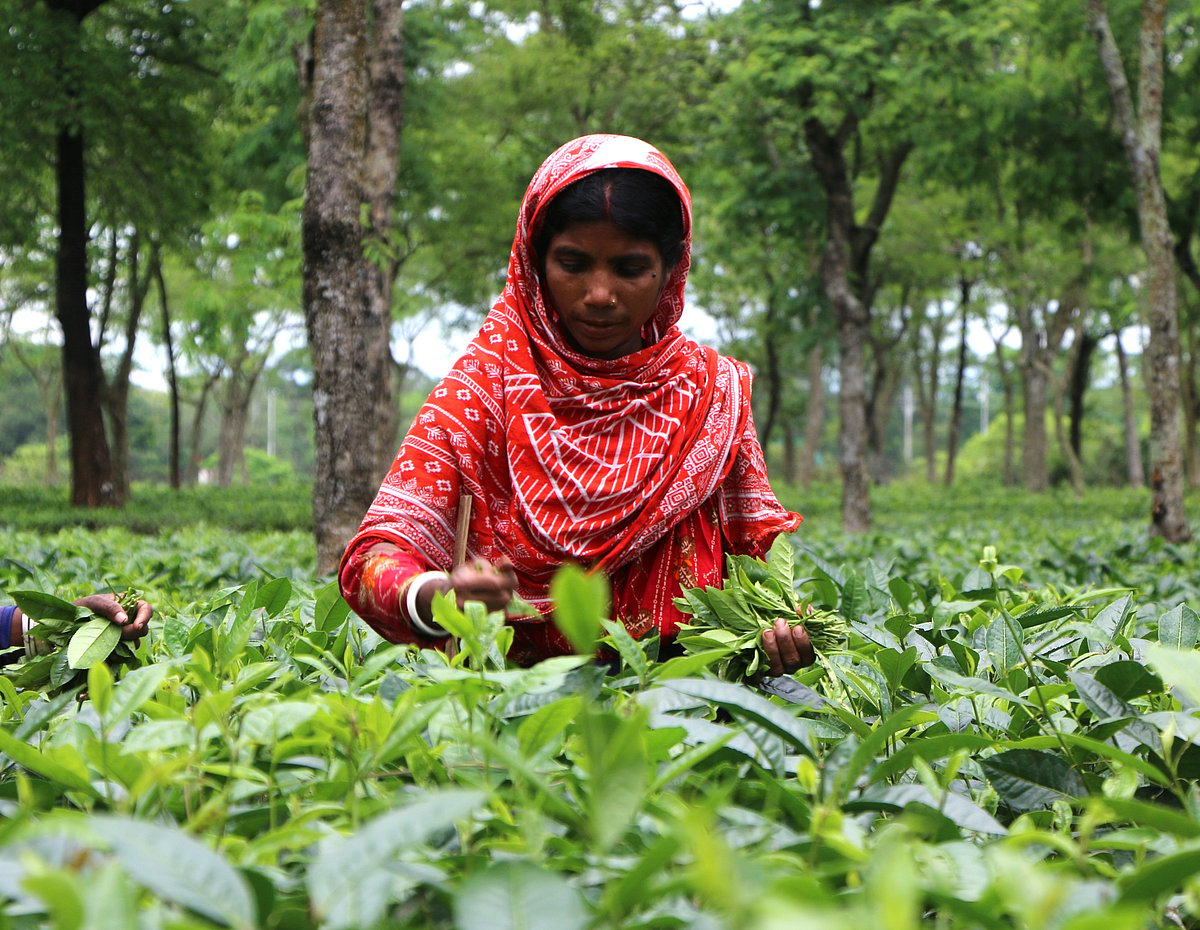
Photo Collected
PANCHAGARH — Kazi & Kazi Tea Estate has transformed its payroll operations by transitioning to digital wage disbursement, marking the first instance of a tea garden in Bangladesh paying its workforce via the mobile financial service bKash. This shift replaces the traditional cash-based system with a streamlined digital process, impacting the lives of approximately 600 permanent and temporary laborers across the estate’s 445-hectare plantation.
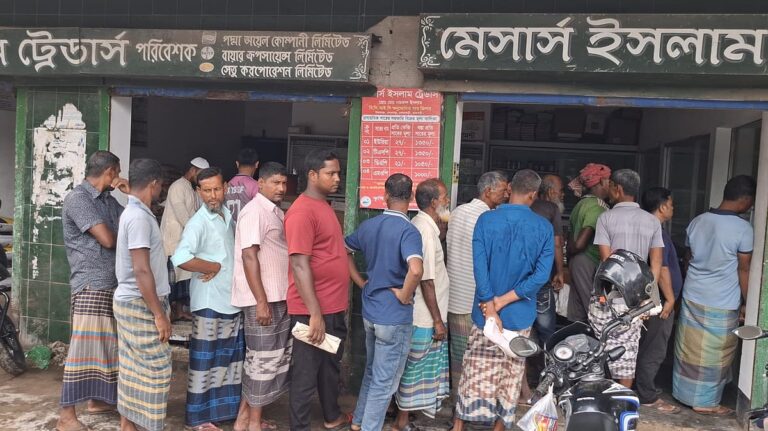
Previously, the distribution of wages across the estate’s nine divisions was a logistical burden. Management had to transport large amounts of cash from Panchagarh town, a time-consuming process that required significant security measures and several hours of labor to distribute individual payments to workers standing in queues.
“Security was our primary priority, and that concern has now been resolved,” said Munshi Md. Al-Imran Hossain, Manager of Accounts and Finance at Kazi & Kazi Tea Estate. “Previously, distributing cash took three to four hours. Now, we can disburse salaries to all workers simultaneously with a single click, eliminating the risk and inefficiency of the manual method.”
Operations Manager Pradip Kumar Varma noted that the complexity of managing payroll for staff spread across nine distinct divisions made the transition essential. He explained that the automated system significantly reduced the administrative strain and the need for dedicated personnel previously required to oversee physical payouts.
For the tea estate workers, the transition offers newfound financial flexibility. Mazedur Rahman, a laborer at the estate, noted that the digital system allows workers to retain their earnings securely and withdraw funds only as needed, rather than managing large sums of cash immediately upon receipt. Another worker, Banu Akter, highlighted the convenience of avoiding long office queues, stating that funds are now available directly on their mobile phones.
Beyond receiving salaries, the workers are being integrated into the broader digital financial ecosystem. With their wages deposited into bKash digital wallets, they can now utilize services such as mobile airtime top-ups and utility bill payments, reducing their reliance on physical cash.
Ali Ahmmed, Chief Commercial Officer of bKash, stated that this initiative connects tea workers to mainstream financial services. By providing access to the same digital tools available to the broader population, the project aims to foster new habits in financial management and inclusion among the labor force.
Industry observers suggest that this shift in Panchagarh serves as a model for moving away from cash-dependency in the agriculture sector. As workers become more familiar with digital transactions, the change is expected to offer long-term improvements in how rural laborers manage their personal finances, save for the future, and interact with the modern economy.
0%
0%
0%
0%