Bangladesh Prisons Transform Inmates Into Skilled Workforce Through Vocational Training and Product Branding
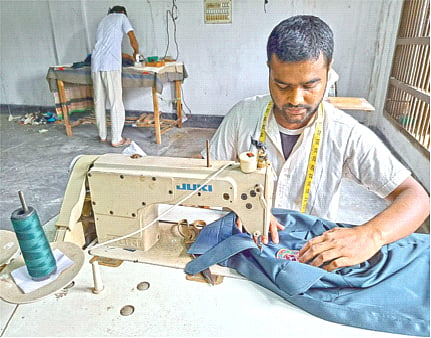
Photo Collected
Bangladesh’s prison system is undergoing a significant transformation by integrating vocational training and industrial production into daily incarceration, aiming to rehabilitate inmates and equip them with viable job skills upon release. Under the initiative branded as “Kara Ponno” (Prison Products), inmates across the country are manufacturing a diverse range of goods, with 50 percent of the profit from sales distributed directly to the participating prisoners.
According to data from the Department of Prisons, 73 facilities generated 56.47 million taka in revenue from inmate-produced goods between 2023 and June 2024. During this period, over 813,000 inmates received vocational training, earning 38.14 million taka in wages. These products, ranging from textiles and furniture to soaps and food items, are sold at designated exhibition centers and through the official website, prisonproducts.com.
At the Kashimpur Central Prison-2 and the adjacent women’s facility, the environment reflects this shift toward labor-oriented rehabilitation. Inmates engage in various trades, including tailoring, embroidery, furniture making, printing, and electronics repair. The women’s facility features vocational training in needlecraft, beauty services, and garment production, with prisoners utilizing personal “prisoner cash” accounts to manage their earnings and purchase goods from prison canteens.
Senior Jail Superintendent Halima Khatun noted that the facilities are increasingly self-sufficient, producing their own uniforms, blankets, and soap. A newly inaugurated, modern soap factory at Kashimpur-2 produces between 16,000 and 20,000 bars daily, intended for internal use and future commercial distribution. Prisoners involved in these programs emphasize the mental and physical benefits of remaining active, alongside the added advantage of sentence reductions granted for labor, as stipulated by the prison code.
Despite these advancements, officials acknowledge significant challenges, primarily a lack of sufficient personnel to oversee the growing demand for training programs. While there are over 90,000 inmates nationwide, many remain unable to participate in vocational schemes due to overcrowding and limited resources. Research published in the *Asian People Journal* highlights that recidivism rates in Bangladesh remain a concern, emphasizing the need for comprehensive rehabilitation laws and societal support to help former inmates overcome the stigma of incarceration.
Inspector General of Prisons Brigadier General Syed Mohammad Motahar Hossain stated that the authorities are working to rebrand the prison system into a “Correctional Service.” Plans are currently underway to draft the “Correctional Service Act 2025” and establish industrial parks for inmates. The department is also exploring partnerships with industry bodies like the BGMEA to provide recognized certification for skills acquired behind bars, which would facilitate employment for those seeking to reintegrate into society.
As the department continues to modernize, the focus remains on shifting from a purely punitive model to a reformative one. By aligning prison production with market demands, authorities aim to transform inmates into skilled contributors to the national economy while fostering an environment that encourages long-term social rehabilitation.
0%
0%
0%
0%
More News from Business