Abul Khair Group Emerges as Lifeline During Bangladesh COVID-19 Oxygen Crisis
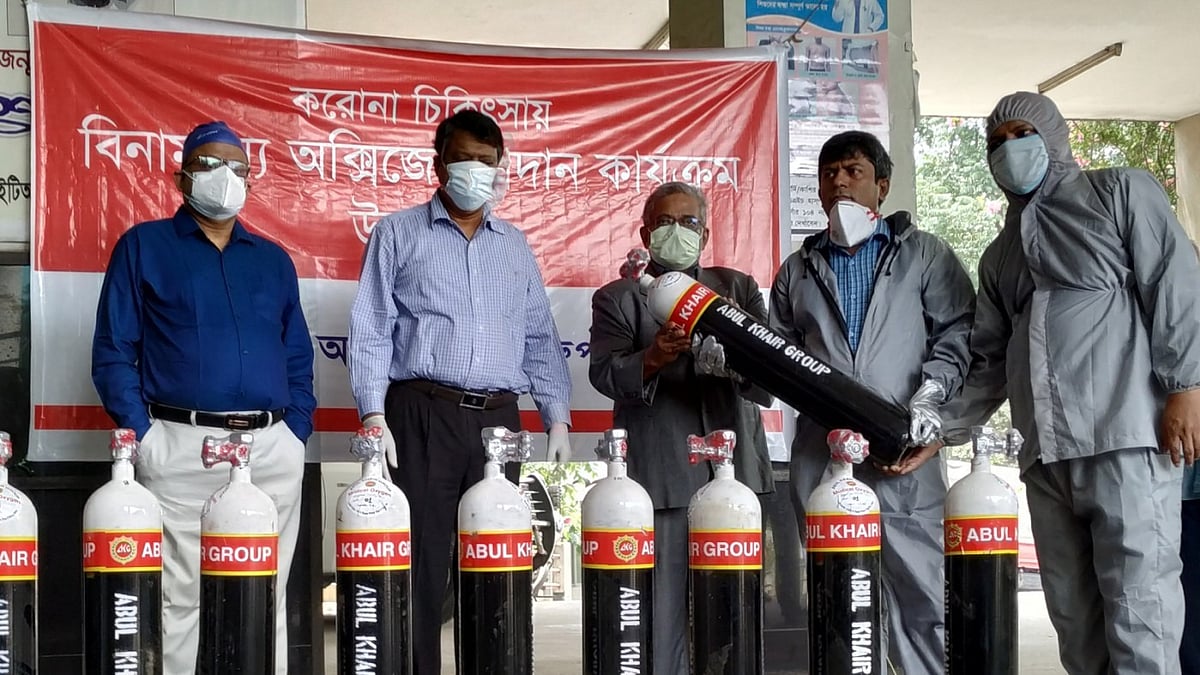
Photo Collected
As the COVID-19 pandemic paralyzed global healthcare systems and triggered a critical shortage of life-saving medical supplies, Bangladesh faced a severe oxygen crisis. With neighboring countries halting exports to prioritize their own domestic needs, the country was left vulnerable. In response, Abul Khair Group (AKG) emerged as a critical lifeline, repurposing its industrial infrastructure to supply free medical-grade oxygen to hospitals and patients across the nation.
In April 2020, as the pandemic intensified and the cost of oxygen cylinders surged to unaffordable levels for many, Abul Khair Group made the strategic decision to open its industrial oxygen plant—the largest in the country—to the public. The facility, originally part of the AKS Steel plant, boasted a production capacity of 260 tons per day. The company pledged to prioritize medical needs over steel production, committing to keep the plant operational for public health regardless of the impact on its industrial operations.
To ensure the safety and efficacy of the supply, the company invested its own capital to establish new units capable of refining industrial-grade oxygen into high-purity medical-grade oxygen. Utilizing its private logistics network, AKG facilitated the transport of oxygen cylinders from its production site in Sitakunda, Chittagong, to districts as far as Tetulia, ensuring nationwide coverage.
Beyond direct oxygen supply, the conglomerate launched a comprehensive infrastructure initiative. This included installing central oxygen delivery systems in 20 major hospitals and establishing 15 regional oxygen banks across the country, stretching from Nilphamari to Cox’s Bazar. When hospitals faced acute shortages of intensive care equipment, the group also developed specialized ICU units and launched a dedicated emergency hotline to coordinate cylinder distribution and refills directly to patients’ homes.
The mobilization required significant sacrifice from the company’s workforce. Employees worked around the clock, often isolating from their families and young children to minimize health risks, to ensure that the medical supply chain remained uninterrupted. Their efforts extended beyond oxygen, as personnel also coordinated food distribution efforts for families left jobless by the economic lockdown.
These measures proved vital in mitigating the impact of both the first and second waves of the virus. By maintaining a steady flow of oxygen, Abul Khair Group successfully prevented the supply shortages that had crippled healthcare systems elsewhere. Through this corporate-led intervention, the group provided a critical buffer for the nation’s healthcare sector during one of its most precarious periods.
0%
0%
0%
0%