State Minister for Foreign Affairs Humayun Kabir sidesteps questions regarding his British citizenship status
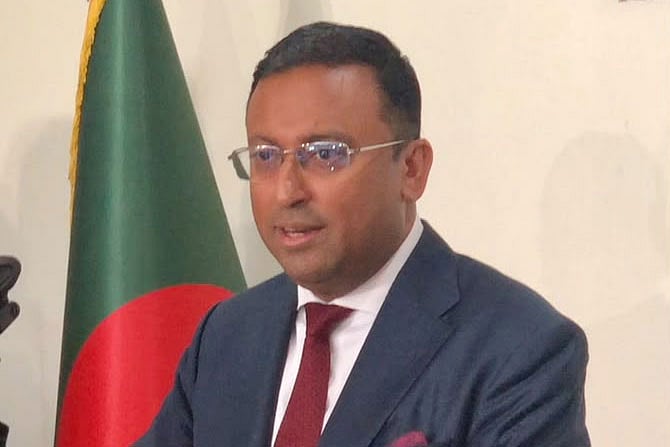
Photo Collected
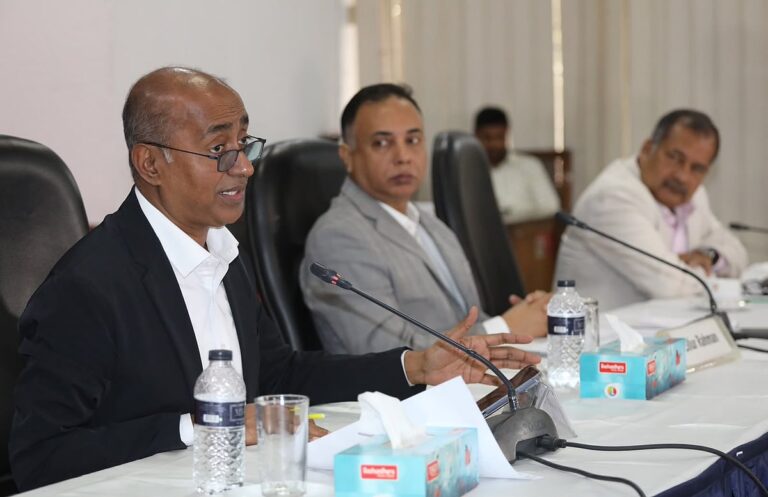
State Minister for Foreign Affairs Humayun Kabir has declined to clarify whether he has renounced his British citizenship, following public and media scrutiny regarding his eligibility for ministerial office. During a press briefing at the Ministry of Foreign Affairs on Monday, Kabir dismissed the queries, questioning the motivations of those raising the issue.
Kabir, who was appointed as a technocrat state minister last Friday, previously served as the Prime Minister’s advisor on foreign affairs. Having spent his childhood and youth in the United Kingdom, where he was actively involved in the Labour Party, there have been long-standing reports confirming his status as a British citizen. Sources within the Bangladesh government have indicated that there is no record of Kabir submitting a formal application to renounce his foreign citizenship.
Under Article 66(2)(c) of the Bangladeshi Constitution, a person is disqualified from being elected or serving as a Member of Parliament if they acquire the citizenship of, or affirm allegiance to, a foreign state. While technocrat ministers are not required to be elected MPs, they must possess the legal qualifications required to hold such a position.
When asked by journalists to address the legal implications of dual citizenship in relation to his appointment, Kabir responded with counter-questions, asking which media outlets had reported the story and questioning the intent behind the coverage. “Who is reporting this? Why does it bother them so much? Is it a resurgence of the 2008 grievances, or are the remnants of the Moinuddin-Fakhruddin era resurfacing?” he asked. He further asserted his commitment to his Bangladeshi identity, stating that no one should question his patriotism or his dedication to the country.
Separately, the state minister addressed reports regarding Bangladesh’s potential interest in the Makkah defense pact involving Saudi Arabia, Turkey, and Pakistan. Kabir confirmed that Bangladesh is viewing the matter positively.
“We have expressed interest in the Makkah defense pact. Bangladesh is now a country of recognition, and stakeholders in the Middle East and the global Muslim world are acknowledging the leadership of the Prime Minister,” Kabir said. He added that given Makkah’s significance, participating in a security arrangement among Islamic nations would not be considered abnormal. “Let us see what happens. We are looking at it positively,” he concluded.
0%
0%
0%
0%