Law Minister Asaduzzaman pledges institutional reforms and commitment to human rights at Dhaka governance dialogue
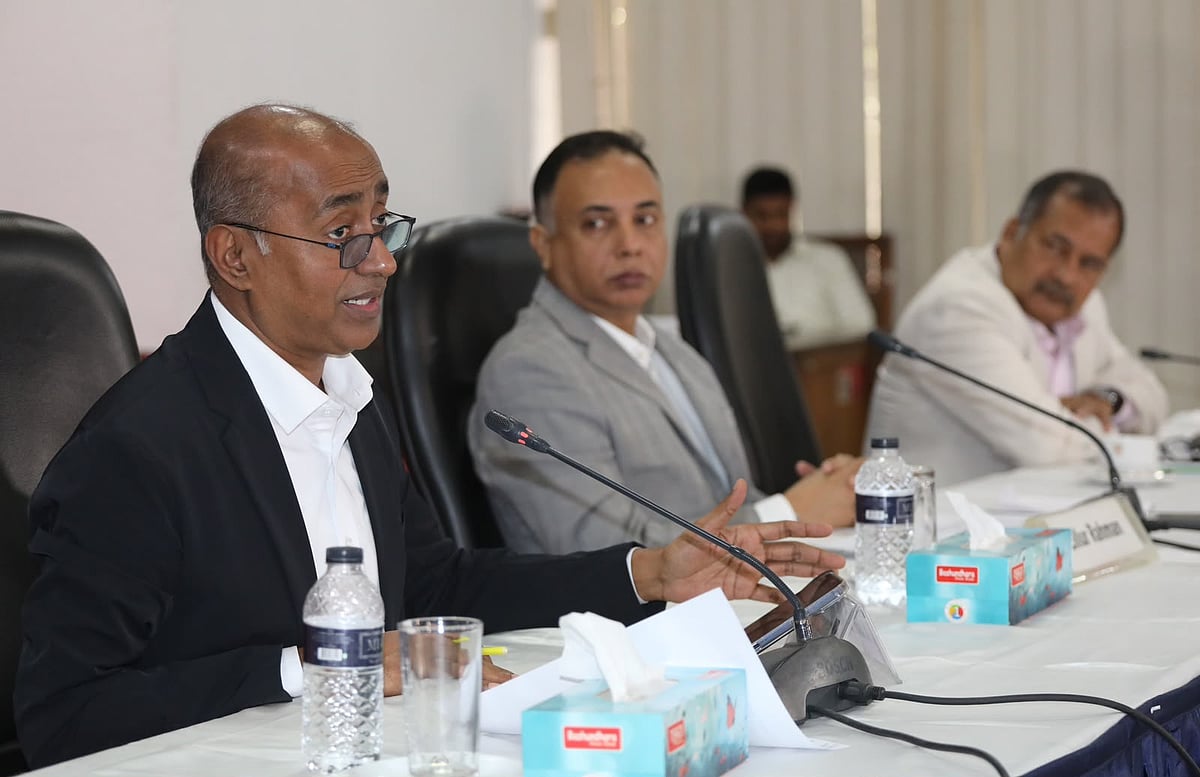
Photo Collected
Law Minister Asaduzzaman stated on Monday that the government is actively working to establish the rule of law and protect human rights, acknowledging that while the pace of reform may be slow, the transition process is underway. Addressing a dialogue titled “Post-Election Bangladesh: Political Promises and Realities” in Dhaka, organized by the Centre for Governance Studies (CGS), the minister emphasized that the government is committed to moving forward and breaking free from the culture of enforced disappearances.
The minister underscored the need for public trust and cooperation, noting that the government remains open to corrections. Regarding constitutional reforms, Asaduzzaman affirmed that logical proposals aligned with the “July Charter” would be considered. He dismissed concerns over the proposed National Human Rights Commission Act, assuring that the investigative powers of the commission would be preserved and that the government intends to ensure no innocent person is harmed by legal processes. He further confirmed that the government has adopted a zero-tolerance policy regarding recent allegations of forced disappearance, which are currently under investigation.
Prime Minister’s Political Adviser Jahir Uddin Swapan highlighted the importance of achieving political consensus to drive sustainable reforms. He noted that the recent mass uprising sought systemic change rather than a mere change in power, and urged all political stakeholders to engage constructively to fulfill the 31-point reform agenda. Swapan emphasized that the government is prioritizing national interests in its decision-making, including foreign policy, under the principle of “Bangladesh First.”
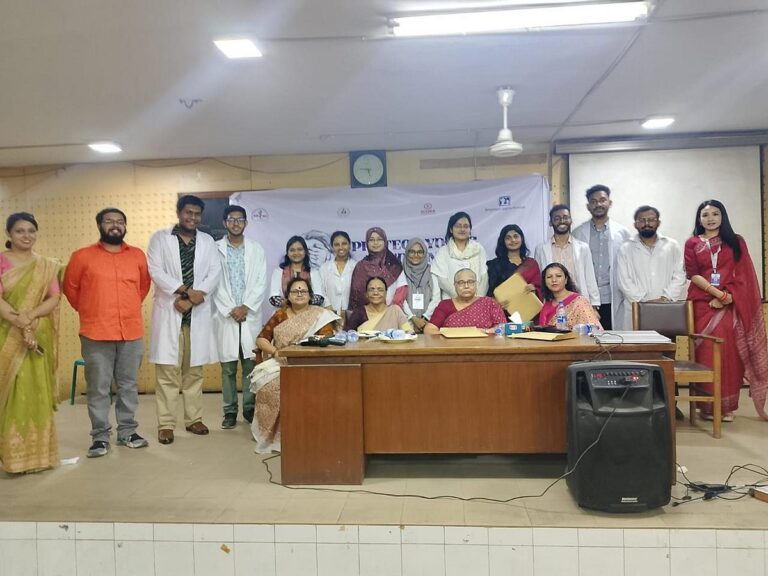
The dialogue featured contributions from a broad spectrum of representatives, including legal experts, human rights activists, and leaders from various political parties. Participants voiced concerns ranging from the necessity of media freedom and the curbing of mob violence to the importance of police reform and the inclusion of diverse ethnic communities.
Barrister Shamim Haider Patwary, Secretary General of the Jatiya Party, stressed that national unity is essential for any reform to be effective. Meanwhile, legal professionals and civil society members, including senior journalist Sohrab Hassan and lawyer Mohammad Ali, argued that the government must address the invisible constraints on the press and restore stability in the banking sector to foster investment.
CGS President Zillur Rahman, who moderated the event, reminded political stakeholders that the public expects them to honor the commitments made during the election. He urged the government to maintain transparency and accountability, asserting that while challenges remain, the citizenry is vigilant and demands tangible progress toward the aspirations voiced during the July movement.
0%
0%
0%
0%