Khulna General Hospital upgrade stalled for nine years leaving patients in corridors
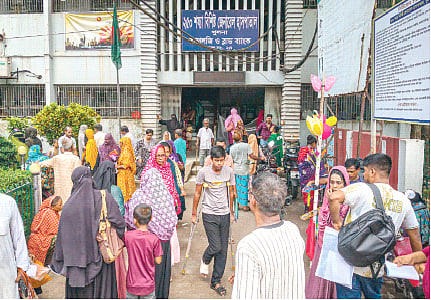
Photo Collected
KHULNA – The Khulna General Hospital is facing a critical healthcare crisis as the facility continues to operate with only 110 beds, despite a government mandate issued nearly a decade ago to upgrade the institution to a 250-bed capacity. The persistent delays in infrastructure development and equipment installation have left patients, including those in critical condition, struggling to access basic medical care.
The expansion project was officially approved by the Health Services Division of the Ministry of Health and Family Welfare on February 23, 2017. However, over the past nine and a half years, the hospital has managed to add only 10 beds to its previous capacity. As of August 18, the hospital was treating 165 patients, far exceeding its official capacity and forcing many to receive treatment on floors and in corridors.
The lack of space is compounded by the poor condition of the existing infrastructure. Established in 1938 along the banks of the Bhairab River, the hospital’s primary three-story building is now considered structurally hazardous. In October 2022, sections of the third floor were declared abandoned, and other parts of the facility are suffering from severe wear and tear.
Administrative delays have hampered modernization efforts. A 2018 project to construct a new 12-story building stalled, leading to the cancellation of the contract in 2024. New agreements totaling over 20 billion taka were signed in April 2024 with different contractors to complete the existing six-story structure and extend it to eight floors by April 2027. Deepak Chandra Shil, an engineer with the Public Works Department, confirmed that previous progress was hindered by funding complications and the closure of specific operational plans.
The hospital currently possesses 30 specialized beds—12 for Intensive Care (ICU) and 18 for High Dependency (HDU)—but these units remain non-functional due to a lack of life-support equipment and specialized medical personnel. Furthermore, the hospital faces a significant staffing shortage, with 48 out of 86 sanctioned positions currently vacant.
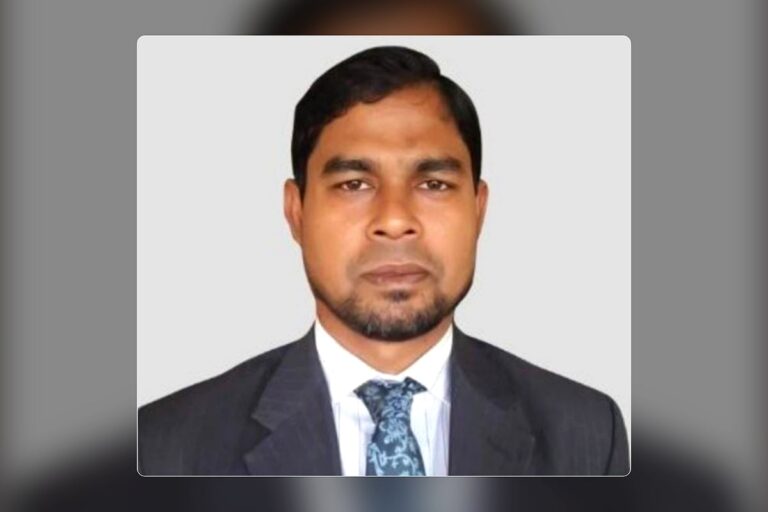
Hospital Superintendent Md. Rafiqul Islam Gazi acknowledged the grievances, citing construction delays and project complexities as the primary reasons for the failure to deliver promised services. He stated that plans remain in place to eventually activate 10 Coronary Care Unit (CCU) beds, 10 ICU beds, and 10 SCANU (Special Care Newborn Unit) beds, alongside diagnostic services such as MRI and CT scans, once construction is completed.
Until these improvements are realized, the facility continues to struggle with overwhelming patient volume. In 2025 alone, the outpatient department treated over 350,000 individuals, while the first seven and a half months of this year have seen an average of 973 outpatient visits daily. Patients from both Khulna city and neighboring districts continue to rely on the overburdened facility, often at the cost of their own comfort and safety.
0%
0%
0%
0%
More News from Health