
BNP Appoints Party Leaders to Lead Chittagong Hill Tracts District Councils Following Major Restructuring
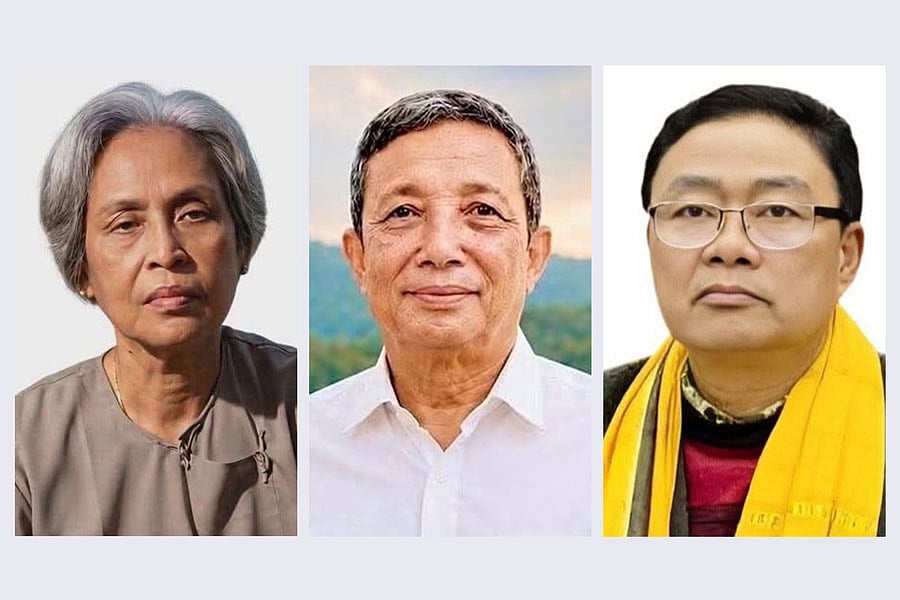
Photo Collected
The interim government has reconstituted the three Hill District Councils (HDC) in the Chittagong Hill Tracts, appointing party leaders to top positions in a move that mirrors the political patronage practices of the previous Awami League administration. The Ministry of Chittagong Hill Tracts Affairs issued separate notifications on Thursday to dissolve the existing councils and appoint new chairmen and members.
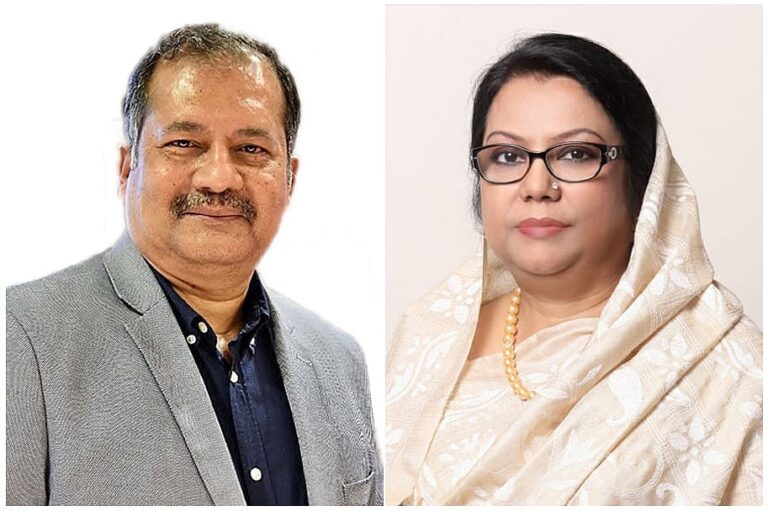
In Rangamati, Dipan Talukdar, the district president of the Bangladesh Nationalist Party (BNP), has been appointed as the council chairman. He succeeds Kajol Talukdar, who was appointed on November 7, 2024, and whose tenure has now been revoked. The new council in Rangamati consists of 14 members, 12 of whom are officials or activists from the BNP and its associate organizations.
In Bandarban, the government named former Member of Parliament and BNP central committee Secretary for Tribal Affairs, Mamaching, as the council chairman. Mamaching previously held this position during the four-party coalition government.
For the Khagrachari Hill District Council, the government appointed Mrasathowai Marma, a former accountant at the district council who retired in March. His appointment replaces Shefalika Tripura, who had been serving as the temporary chairperson since July 8, 2025. Like the other districts, the new Khagrachari council includes 14 members, the majority of whom are prominent local BNP leaders, including the district general secretary and various joint secretaries.
The notifications, signed by Deputy Secretary Mongol Chandra Pal, stated that the councils were reconstituted under the authority granted by the Hill District Council Acts of 1989 and 1997, as well as the 2014 amendment. The appointed councils are tasked with overseeing local government coordination, implementing development projects, and managing public services including education, health, agriculture, and infrastructure.
The only election for these district councils was held in 1989, when they were known as the Local Government Councils. While the statutes mandate a body comprising one chairman and 32 members, the councils have long functioned through appointed boards consisting of one chairman and 14 members. The current restructuring continues this tradition of appointment-based governance, ensuring the new members will hold their responsibilities until further directives are issued.
0%
0%
0%
0%
More News from Local