
Sundarban Forest Department reports success in wildlife conservation through new parallel line searching patrol tactics
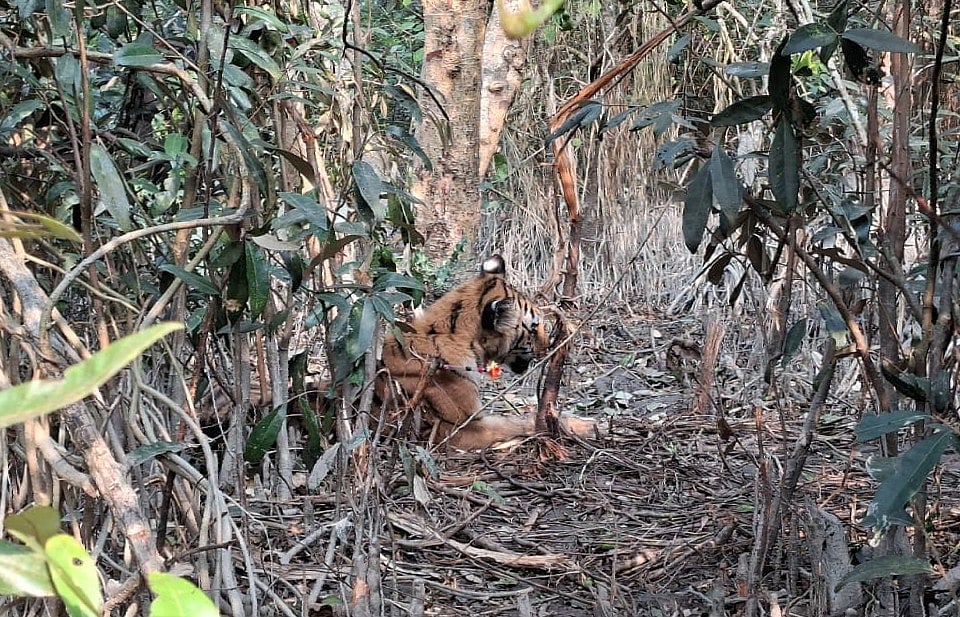
Photo Collected
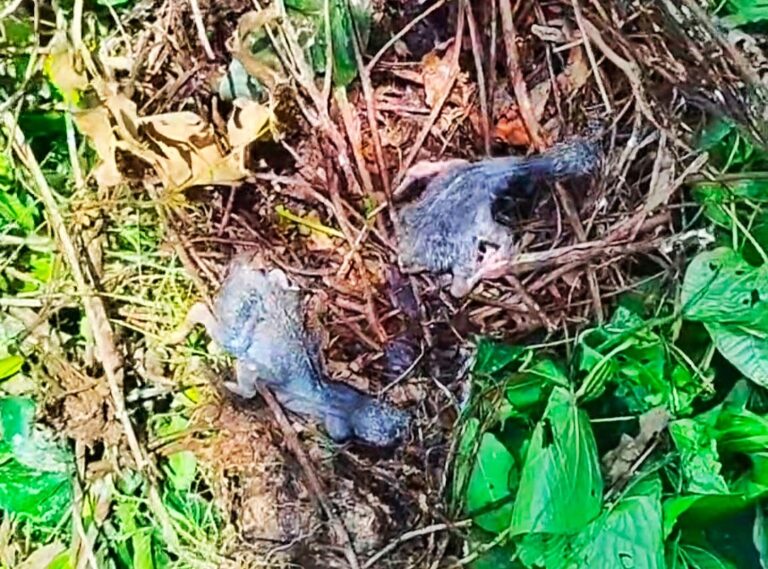
Bangladesh’s Forest Department has significantly curtailed wildlife poaching in the Sundarbans by adopting a proactive “parallel line searching” patrol strategy. Data from the East Sundarbans Division shows that between May 2025 and April 2026, forest officials recovered 114,553 feet of “Mala” (garland) snares—lethal loops made of nylon or wire—used by poachers to trap deer and other wildlife.
This marks a substantial shift in effectiveness compared to the period between May 2024 and April 2025, when 24,648 feet of such snares were recovered. During that earlier period, officials seized 793 kilograms of venison; however, in the most recent year, that figure dropped sharply to 250 kilograms, signaling that authorities are successfully removing traps before animals are killed.
The new tactical approach involves forest guards patrolling deep within the forest on foot in a synchronized, line-abreast formation, similar to a comb-search. This method, which monitors identified “hotspots” for illegal activity, has allowed guards to detect and dismantle traps that were previously missed during traditional boat-based patrols along canals.
The Sundarbans, the world’s largest mangrove forest, is administratively divided into East and West divisions. Following a decline in law and order after August 5, 2024, the forest faced a resurgence in criminal activities, including poaching, illegal entry, and fish poisoning. In response, both divisions intensified land-based operations. Over the past year, the East Sundarbans Division conducted 474 operations, resulting in 241 cases and the arrest of 377 individuals.
Beyond snares, the recent initiative has successfully rescued at least 15 live animals, including tigers, deer, wild boars, and monkeys. Notably, in July 2025, forest officials rehabilitated and released a tigress that had been caught in a trap. Despite the high risks posed by tigers, crocodiles, and snakes, officials emphasize the strategy’s success. Tanvir Hasan, an officer at the Katka Sanctuary, compared the patrols to traditional honey gatherers, noting that modern GPS-enabled apps are now used to monitor the routes and progress of patrol teams.
Despite these advancements, experts warn that a sophisticated network of poachers and financiers remains active. Nur Alam Sheikh, coordinator of the volunteer group “Sundarban Rokkhay Amra,” stated that while the Forest Department’s increased activity is promising, the entire supply chain—including businessmen involved in the illegal trade—must be brought to justice.
Wildlife expert and Professor at Jahangirnagar University, M.A. Aziz, underscored that protecting the Sundarbans requires a collaborative approach between all law enforcement agencies. “To save the forest, we must protect its tigers and deer,” Aziz said, emphasizing the need to dismantle organized crime networks that utilize poison and snares to exploit the forest’s biodiversity.
Forest officials are also engaging local communities to mitigate poaching. In areas like Patharghata, committees have been established to involve residents in conservation, and a list of approximately 150 identified poachers has been handed over to intelligence agencies for surveillance. Chief Conservator of Forests Md. Amir Hossain Chowdhury affirmed that the shift toward intensive, on-foot patrolling has proven to be an effective deterrent against the systematic destruction of the forest’s wildlife.
0%
0%
0%
0%