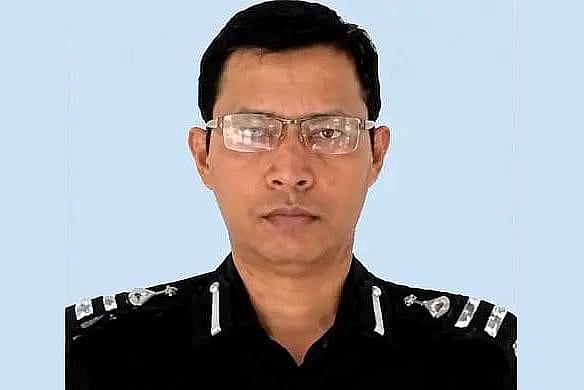



Coerced movement withdrawal video backfires against Awami League government
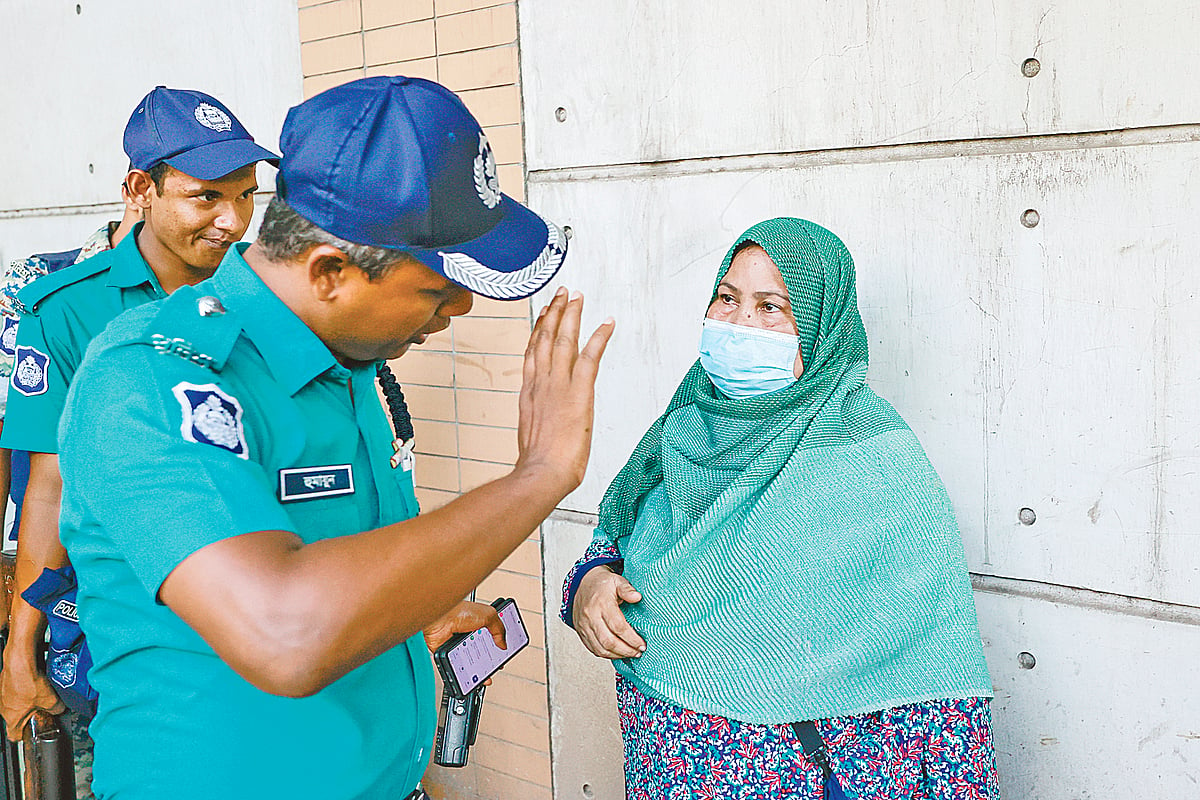
Photo Collected
Following a 10-day nationwide blackout, the Bangladeshi government restored full internet connectivity on the morning of July 28, 2024, as the intensity of the student-led mass uprising began to stabilize. Despite the restoration of web access, access to major social media platforms, including Facebook, remained blocked.
That same evening, the police’s Detective Branch (DB) released a video statement in which leaders of the anti-discrimination student movement were shown declaring the end of their protests. The video, which circulated widely across television channels and online news portals, featured six coordinators, including Nahid Islam, reading from a prepared script. In the statement, the coordinators condemned the violence and arson associated with the movement, noted that their primary demand for quota reform had been met, and called for the reopening of educational institutions.
বিজ্ঞাপন
The move, orchestrated by the administration of then-Prime Minister Sheikh Hasina, was intended to neutralize the growing public dissent. Instead, the strategy backfired. The public perceived the coordinators—who also included Sarjis Alam, Hasnat Abdullah, Asif Mahmud, Nusrat Tabassum, and Abu Baker Majumder—as having been held under duress at the DB office. Within hours of the broadcast, students from Dhaka University and other institutions issued formal statements rejecting the forced declaration, labeling it a desperate attempt to suppress the movement through intimidation.
While the coordinators remained in police custody, the protest leadership shifted to other organizers who refused to stand down. Attempting to mitigate the political fallout, Sheikh Hasina met with the families of 34 individuals killed during the unrest at her official residence, Ganabhaban, offering financial assistance and savings certificates to the grieving relatives. Among those present were the parents of Abu Sayed, the Begum Rokeya University student whose death had become a flashpoint for the movement.
বিজ্ঞাপন
Despite these gestures of reconciliation and the Prime Minister’s visits to injured students at the Central Police Hospital and Bangabandhu Sheikh Mujib Medical University, the government’s crackdown intensified simultaneously. Official records indicate that in the 12-day period ending on July 28, law enforcement agencies arrested at least 253 students across 18 districts. These arrests, carried out under the guise of investigations into clashes, arson, and property damage, underscored the widening chasm between the administration and the protesting youth.
0%
0%
0%
0%