

Rescued Sundarbans Tigress Poised for Return to Wild After Recovery
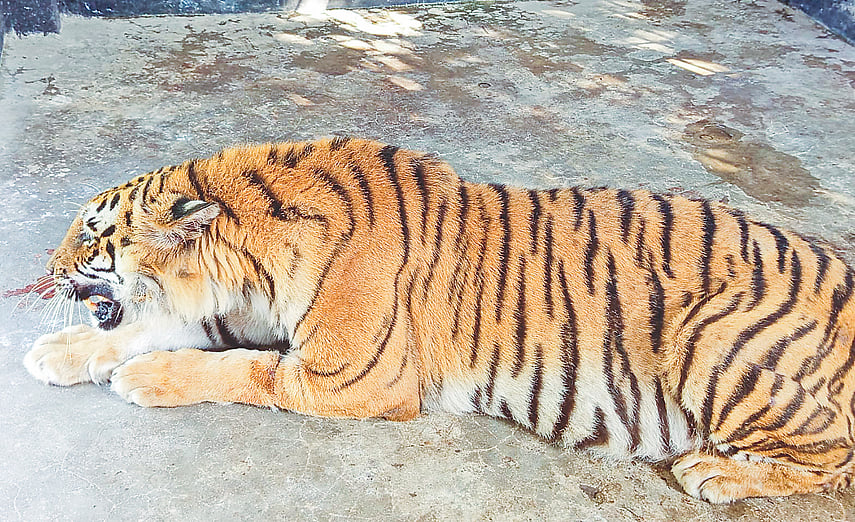
Photo Collected
A female tiger that was rescued after becoming ensnared in a poacher’s trap in the Sundarbans is set to be released back into the wild this Sunday. Following months of intensive rehabilitation, wildlife officials have confirmed the animal has fully recovered from injuries sustained in the January incident.
The tiger was discovered on January 3 near the Sharankhola canal within the Chandpai Range of the Sundarbans’ eastern division. Rescuers found the then-emaciated animal suffering from severe injuries to her front left leg, where the trap had cut through skin, muscle, and veins, leading to localized decay. She was successfully tranquilized the following day and transported to a rehabilitation center in Khulna.
বিজ্ঞাপন
According to Nirmal Kumar Pal, Divisional Forest Officer for the Wildlife Management and Nature Conservation Department in Khulna, the 10-to-11-year-old animal underwent a rigorous recovery process involving antibiotics and specialized care. A medical board recently evaluated the tiger and determined that she has regained her natural agility and is physically prepared to return to her habitat.
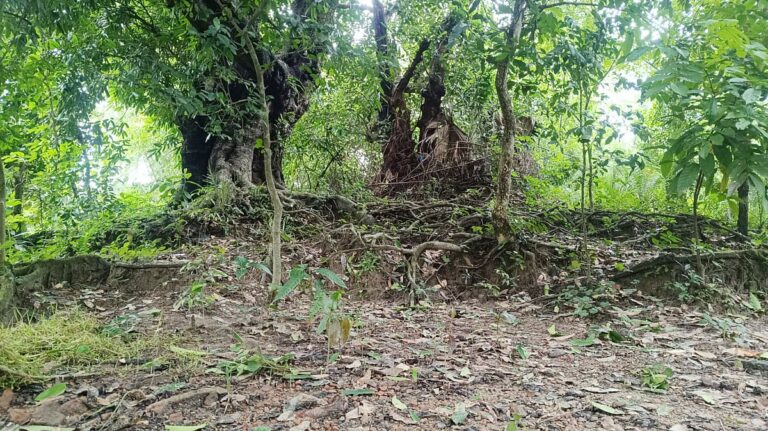
The forest department plans to release the tiger in the Andharmanik eco-tourism area of the Chandpai range, with State Minister for Environment, Forest and Climate Change Begum Habibun Nahar expected to be in attendance. To monitor her integration into the forest, authorities are installing 20 trap cameras across an eight-kilometer radius to track her movements.
বিজ্ঞাপন
The decision to rely on camera traps comes after officials were unable to secure a satellite tracking collar, which would have provided real-time location data. This limitation has prompted concerns among some wildlife experts, including Dr. Reza Khan, who argued that officials should have conducted pre-release surveillance to ensure the safety of the site. He emphasized that knowing whether another tiger had already claimed the territory or if sufficient prey density existed in the release zone was critical for the animal’s survival.
Addressing concerns regarding potential territorial conflicts, Professor M.A. Aziz of Jahangirnagar University, a member of the medical committee overseeing the tiger, noted that the risk of fatal combat is lower for female tigers. Because male tigers often share their territory with multiple females, and female tigers rarely engage in lethal territorial disputes with one another, the team remains cautiously optimistic about the release.
As the tiger is returned to the forest, the forest department maintains that the monitoring program will provide essential data on her adaptation and health. While experts like Dr. Khan maintain that more extensive preparatory research would have been ideal, they acknowledge that the animal’s successful return to the ecosystem remains a vital contribution to the conservation of the species.
0%
0%
0%
0%