India Chief Election Commissioner Faces Ultimatum Amid Supreme Court Appointment Law Review
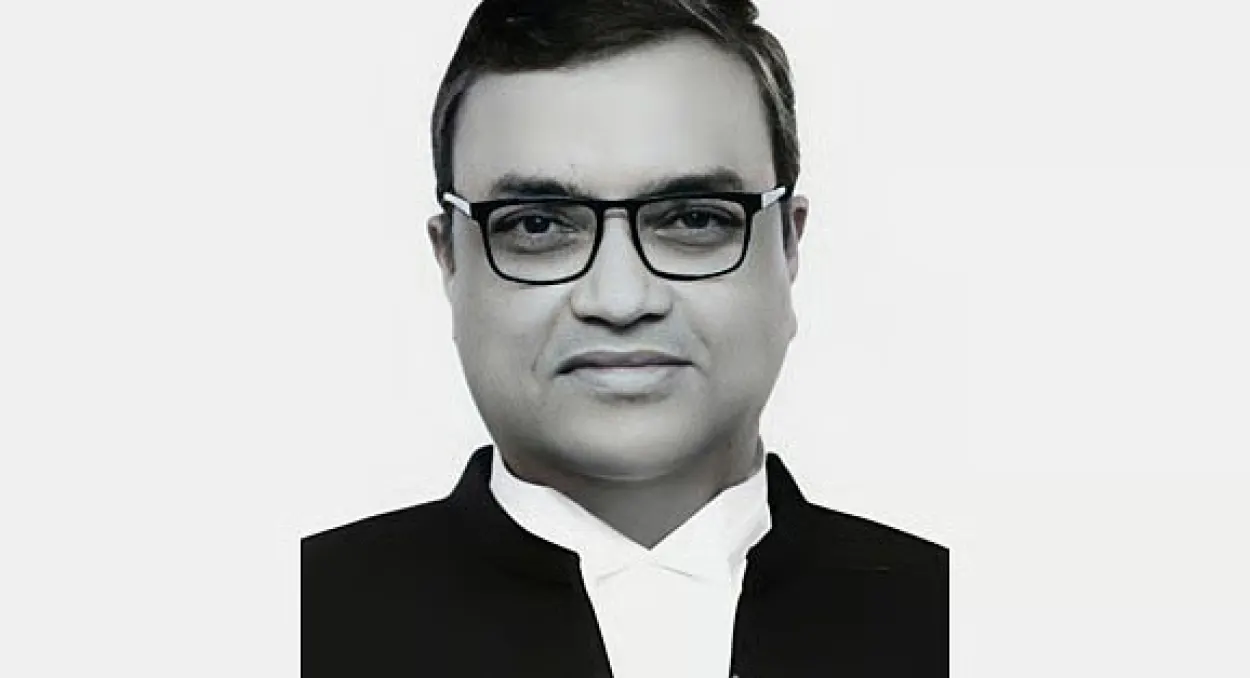
Photo: Collected
The constitutional validity of the law governing the appointment of India's three election commissioners has been referred to India's Chief Justice after a two-judge bench of the Supreme Court of India failed to reach a consensus. Justices Dipankar Datta and Satish Chandra Sharma forwarded the case to Chief Justice Surya Kant to constitute a constitutional bench to resolve the matter.
The development coincides with a nationwide political uproar following an investigative report published last Wednesday by the English daily newspaper The Indian Express. The report revealed that fellow election commissioners Sukhbir Singh Sandhu and Vivek Joshi had raised objections 14 times over the past 10 months against unilateral decisions made by Chief Election Commissioner Gyanesh Kumar.
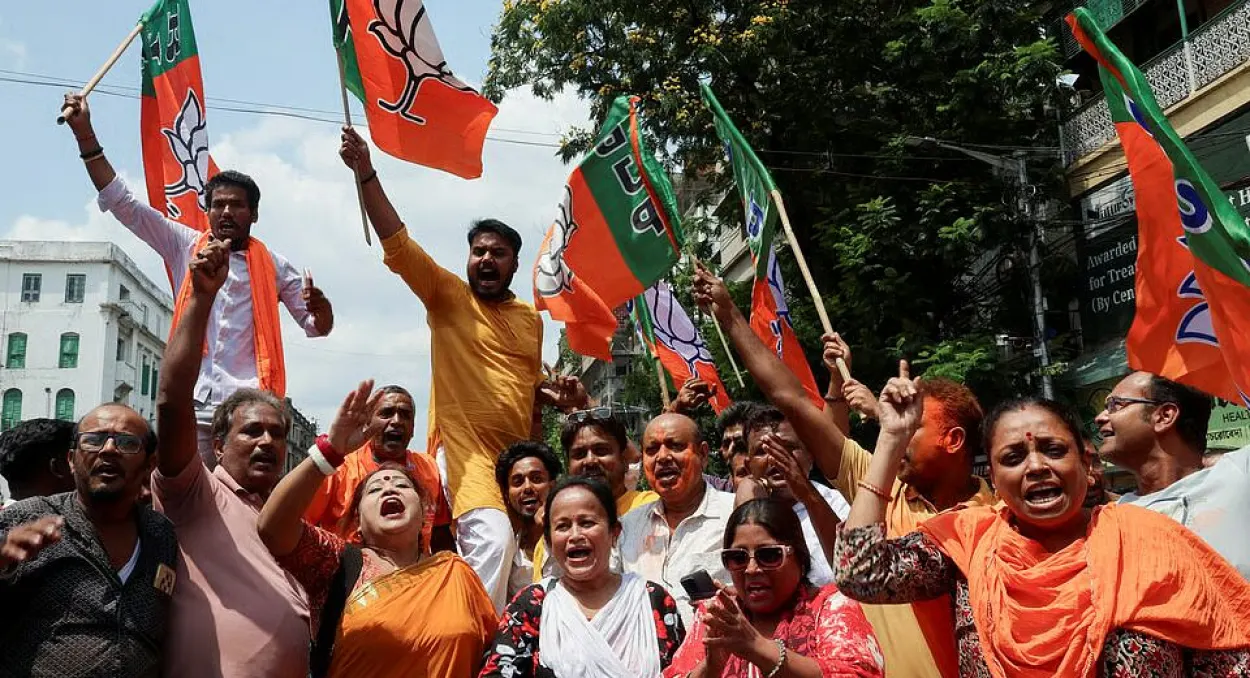
In response to the report, opposition parties have united to demand the resignation of Chief Election Commissioner Gyanesh Kumar. On Thursday, the Cockroach Janata Party issued a 48-hour ultimatum for his resignation, threatening nationwide protests if he fails to step down. Demands are also mounting for punitive action against Gyanesh Kumar over alleged irregularities in various states under the guise of intensive voter list revisions, alongside growing calls to annul recently held state elections.
Before referring the case to the Chief Justice, Justice Dipankar Datta drew a parallel to cricket to emphasize that it is not enough for the Election Commission of India to be independent; it must also visibly appear impartial. Justice Datta remarked that if the batting side in a cricket match selects the umpire, suspicions will inevitably persist regarding the umpire's neutrality, even if correct decisions are made, as the umpire would constantly be perceived as favoring the team that chose them.
The controversy surrounding the appointment of the three election commissioners stems from a legal framework established in December 2023. Prior to this, election commissioners were appointed by the central government based on recommendations from a committee comprising the Prime Minister, the Leader of the Opposition, and the Chief Justice of India. In 2023, a five-member constitution bench of the Supreme Court of India ruled that this three-member committee should continue making appointments until Parliament enacted dedicated legislation. Later that year, the administration of Indian Prime Minister Narendra Modi passed a law excluding the Chief Justice from the panel and replacing them with a union minister nominated by the Prime Minister, thereby ensuring the appointment of government-backed candidates.
The current election commissioners—Gyanesh Kumar, Sukhbir Singh Sandhu, and Vivek Joshi—as well as their predecessors, were appointed under the Modi administration. During their appointment processes, opposition leaders Adhir Ranjan Chowdhury and subsequently Rahul Gandhi raised objections, which were ultimately overruled. Petitions challenging the constitutional validity of this appointment procedure prompted the Supreme Court proceedings that were referred to the Chief Justice on Wednesday. Justice Datta noted that the petitioners' grievances hold merit, citing the repeated disputes raised by the other two commissioners regarding Gyanesh Kumar's conduct.
The controversy has also drawn remarks from former Chief Election Commissioners of India S.Y. Quraishi, Ashok Lavasa, and O.P. Rawat. Speaking to media outlets, all three former officials emphasized that the concerns raised by the two election commissioners are serious and cannot be ignored, asserting that the Chief Election Commissioner must address every objection. They stated that internal discord among the three commissioners that undermines the electoral system is a grave and undesirable situation, requiring the commission to publicly clarify matters since transparency remains its primary strength.
S.Y. Quraishi proposed that all three commissioners jointly hold a press conference to refute allegations, with commissioners Sandhu and Joshi clarifying their roles and views while correcting any errors in the voter list revision process. Ashok Lavasa observed that the commission's actions regarding the intensive voter revisions have severely eroded public trust, which will be difficult to restore. O.P. Rawat acknowledged that the commission's actions are undeniably controversial, noting that the Chief Election Commissioner cannot alter rules arbitrarily.
Although the 2023 central law shields the Chief Election Commissioner and election commissioners from civil or criminal proceedings for acts or statements executed during official duties—a legal shield critics argue emboldens them—opposition figures have continued legal pushback. On Thursday, Trinamool Congress Member of Parliament Mahua Moitra submitted a formal complaint against Gyanesh Kumar at the Parliament Street police station in New Delhi, demanding legal action and arguing that his actions forfeit statutory protection.
The Cockroach Janata Party reiterated its demands on Thursday, calling for Gyanesh Kumar's resignation and penalization, the cancellation of the intensive voter revision process alongside a return to the 2025 voter rolls, and an amendment to the 2023 law to establish a neutral appointment committee. The party warned that failure to resign within 48 hours would trigger a nationwide mass movement.
More News from World