
US Miscalculations in Middle East Echo Historic Iraqi Blunders Against Iran
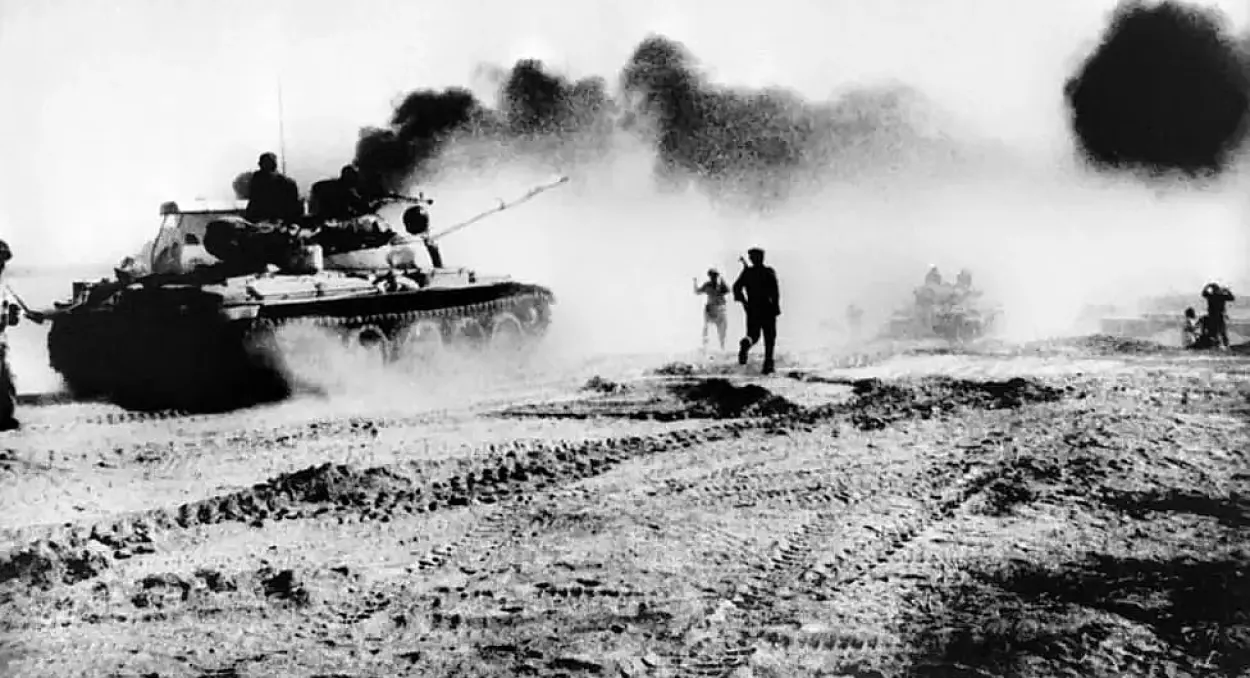
Photo: Collected
As a post-revolutionary nation struggled to stabilize itself amidst widespread chaos, institutional mistrust, and economic ruin, neighboring Iraq exploited the vulnerability to launch a sudden military invasion, triggering the devastating eight-year Iran-Iraq war that claimed over half a million lives.
The assault commenced on September 22, 1980, when roughly 192 Iraqi warplanes swarmed Iranian airspace in a fierce aerial bombardment. Iraqi President Saddam Hussein orchestrated the surprise attack to cripple Iran's defenses completely, ensuring that advancing ground troops would encounter virtually no resistance upon crossing the border.
However, the conflict defied Saddam's initial calculations. Possessing superior military might at the time, Iraq anticipated a swift victory, but the confrontation transformed into modern history's most lethal interstate war, lasting nearly a decade.
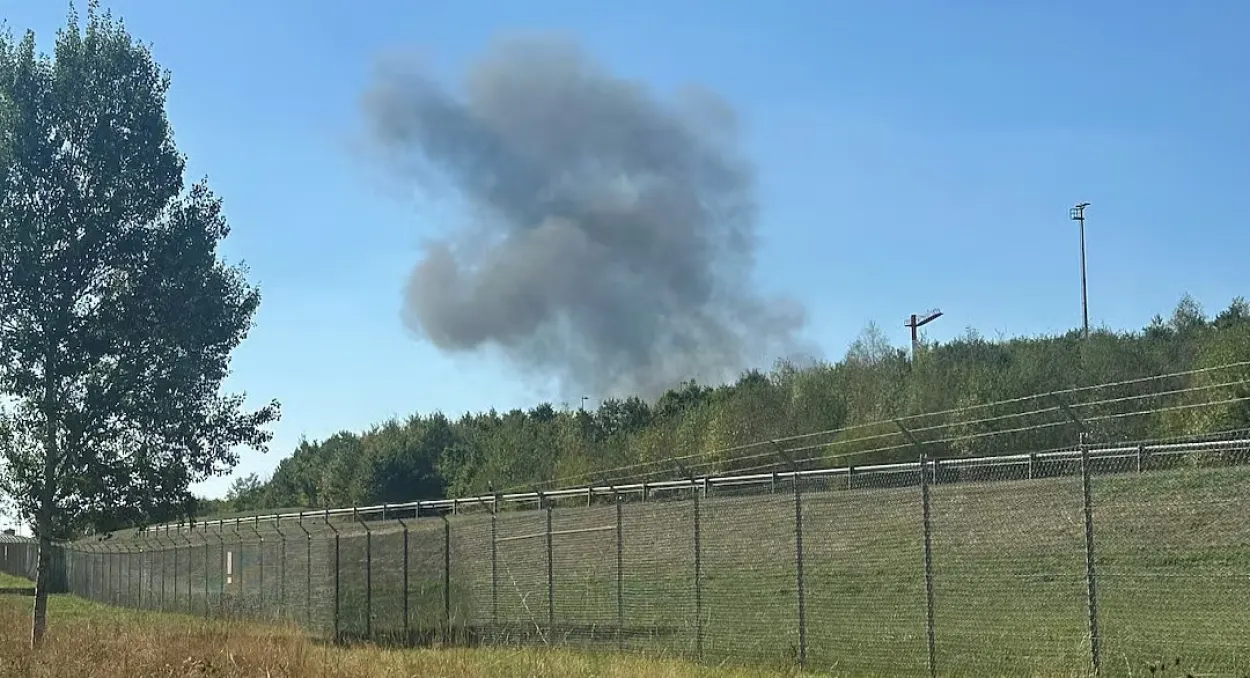
Historical parallels have emerged in contemporary geopolitics, notably in miscalculations made regarding Middle Eastern conflicts. Following joint airstrikes by the United States and Israel that resulted in the deaths of several senior Iranian civilian and military officials, including Supreme Leader Ayatollah Ali Khamenei, foreign leaders predicted a brief campaign. While projections suggested opposition forces would collapse within weeks, the confrontation has dragged on for months without resolution, widening into a regional crisis that increasingly threatens United States allies across the Middle East.
Tensions between Iraq and Iran date back to Iraq's formation in 1921 following the First World War. Throughout the 1970s, a central point of contention was control over the Shatt al-Arab waterway, formed by the confluence of the Tigris and Euphrates rivers, which serves as Iraq's sole maritime access point to the Persian Gulf. Under the 1975 Algiers Agreement, Iraq relinquished a portion of its control over the waterway in exchange for Iran ending its support for Kurdish insurgents in northern Iraq.
The geopolitical landscape shifted dramatically with the 1979 Islamic Revolution in Iran, which overthrew the Western-backed government of Shah Mohammad Reza Pahlavi and established a new religious administration under Ayatollah Ruhollah Khomeini. The revolution's success culminated in mass uprisings, forcing the Shah to flee Tehran on January 16, 1979, and leading to the formal renaming of the country as the Islamic Republic of Iran.
In July 1979, Ba'ath Party leader Saddam Hussein assumed the presidency of Iraq, governing through the support of the country's minority Sunni Muslim population. Fearing that Iran's Islamic revolution would inspire domestic uprisings among Iraq's own populace, and seeking to unilaterally abrogate the 1975 border treaty to reclaim full sovereignty over the Shatt al-Arab waterway, Saddam seized upon Iran's post-revolutionary military disarray to launch his offensive.
At the time, international dynamics heavily favored Iraq. Following the overthrow of the monarchy, Iranian revolutionaries stormed the United States Embassy in Tehran in protest of the ailing Shah receiving medical sanctuary in the United States. The subsequent 444-day hostage crisis involving 52 American citizens prompted the United States to impose severe economic sanctions on Iran. With Western powers rallying behind Saddam, Iran found itself internationally isolated, backed diplomatically by only a few nations including Libya and Syria.