
India Supreme Court questions mandatory singing of Vande Mataram as criminal offense
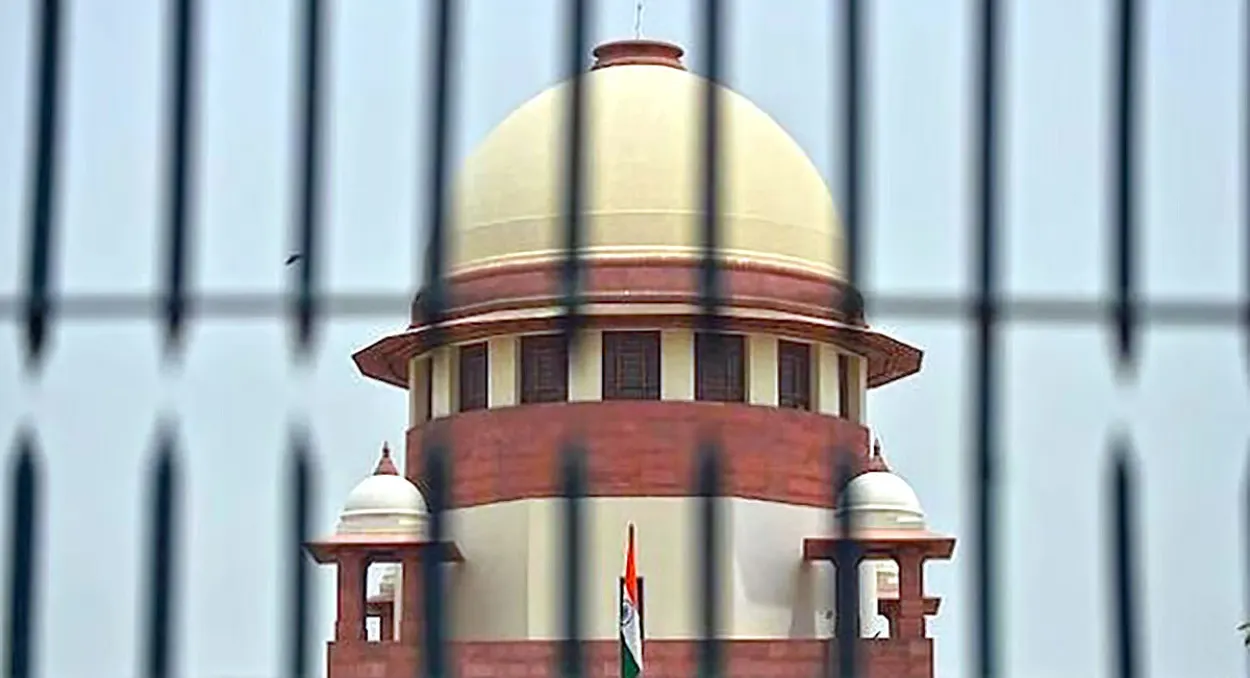
Photo: Collected
The Supreme Court of India has observed that refusing to sing the national song, Vande Mataram, on grounds of conscience should not be treated as a punishable offense. During a hearing on Tuesday, a bench led by Chief Justice Surya Kant remarked that compelling citizens to sing the entire song or criminalizing the refusal to do so may not be legally tenable.
The legal challenge stems from a petition filed by renowned Carnatic musician T.M. Krishna, who contested the Indian government's move to grant the song legal protection under the Prevention of Insults to National Honour (Amendment) Bill. The government’s directive suggests that obstructing or refusing to sing Vande Mataram, or causing disturbances during its rendition, could attract a penalty of up to three years in prison or a fine.
During the proceedings, Justice Jaymalya Bagchi referenced the landmark 1986 Bijoe Emmanuel case, in which the Supreme Court of India protected students who refused to sing the national anthem for religious reasons. The court noted that the provisions for punishment regarding the insult of national symbols should not necessarily apply to those who choose not to sing. The bench has requested the Indian central government to provide its stance on the matter within two weeks.
The debate over the song’s content remains a point of contention. Petitioner lawyer S. Muralidhar argued that the final four stanzas of Vande Mataram contain references to Hindu deities, and mandating the entire song contradicts India's secular character. He further contended that the amendment was pushed through without national consensus. In response, Solicitor General Tushar Mehta defended the legislative process, asserting that laws are enacted according to constitutional procedures.
Historically, the practice of singing only the first two stanzas has been prevalent since 1937. At the time, leaders of the Indian National Congress, including Mahatma Gandhi, Jawaharlal Nehru, Subhas Chandra Bose, Maulana Azad, and Sardar Vallabhbhai Patel, sought the advice of Rabindranath Tagore regarding the song. Tagore recommended singing only the first two stanzas to avoid religious sensitivities, a tradition that the Congress party continues to follow in various Indian states, including Karnataka.
The issue has also surfaced in regional governance. In Jammu and Kashmir, Chief Minister Omar Abdullah recently declined to support the Congress party's insistence on singing the full song at government functions. Abdullah stated that while he would not violate the law, he expressed concern over the potential for citizens to face imprisonment, urging the Congress party to amend the law if they wish to change the current mandate.