

Bangladesh authorities plan to mandate front license plates on motorcycles to enhance AI-based traffic enforcement
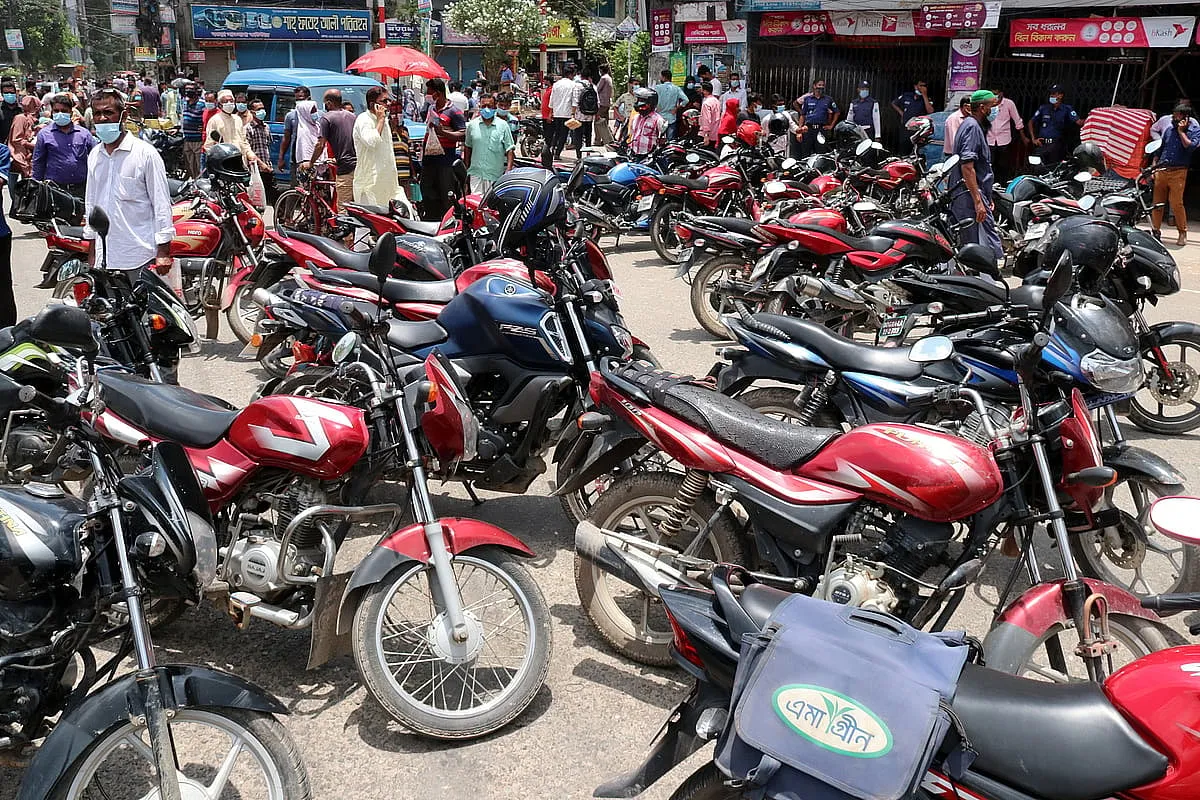
Bangladesh authorities plan to mandate front license plates on motorcycles to enhance AI-based traffic enforcement
The Bangladesh government has initiated a plan to mandate the installation of registration number plates on the front of all motorcycles, a move aimed at enhancing the enforcement of traffic laws through Artificial Intelligence (AI) technology. The decision, finalized during a meeting on environmental pollution control chaired by the Prime Minister on July 18, tasks the Dhaka Metropolitan Police (DMP) and the Bangladesh Road Transport Authority (BRTA) with its implementation.
The primary objective is to allow AI-powered traffic surveillance cameras—currently deployed at various intersections in Dhaka—to accurately identify motorcycles violating traffic regulations. While vehicles other than motorcycles in Bangladesh are already required to display both front and rear plates, this new directive seeks to close a surveillance gap that has historically hampered automated enforcement.
To assess the feasibility and technical specifications of this requirement, the BRTA formed a seven-member committee on August 13. This committee, which includes representatives from the Bangladesh University of Engineering and Technology (BUET), the DMP, and the automotive industry, is tasked with determining optimal placement, plate sizing, and potential impacts on motorcycle design and aerodynamics.
Industry experts and manufacturers have raised significant concerns regarding the mandate. Motiur Rahman, Managing Director of Uttara Motors and president of the Bangladesh Motorcycle Assemblers and Manufacturers Association, noted that while the industry is aware of the directive, no specific guidelines regarding dimensions or standardized mounting points have been provided.
Engineering experts warn that retrofitting existing motorcycles could compromise safety. Attaching plates to the front of motorcycles—which are not designed for them—could disrupt airflow, potentially causing stability issues at high speeds. Furthermore, mounting plates near headlights or radiators could impede engine cooling, leading to overheating. Additional concerns have been raised regarding the state of existing motorcycle registrations, with many currently lacking plates or displaying illegible, damaged markings.
The DMP began experimental use of AI-based traffic enforcement software on May 7, utilizing high-definition PTZ (Pan-Tilt-Zoom) cameras that can track moving objects and capture 360-degree footage. While this system has enabled the digital issuance of traffic citations, experts argue that visual identification remains inherently flawed in dense, heavy traffic conditions.
BUET professor Shamsul Hoque, an expert in transport and communication, suggests that the government should pivot toward Radio Frequency Identification (RFID) technology instead of relying on physical plates. RFID technology, which has been successfully utilized in Bangladesh for toll collection at the Jamuna Bridge since 1998, allows for the automatic identification of vehicles via electronic tags on windshields.
"RFID tags cannot be obscured by cloth or bags, and they are the global standard for modern traffic management," Hoque stated. He argued that the current reliance on visual license plates is an outdated approach, noting that even with front-facing plates, identifying motorcycles remains difficult in bumper-to-bumper traffic.
As the BRTA committee deliberates, the move highlights a broader debate on whether to prioritize low-tech physical modifications or to invest in the advanced digital infrastructure currently utilized by global transport authorities to monitor vehicle flow and enforce compliance. With approximately 4.99 million registered motorcycles in the country and an annual influx of about 500,000 new units, stakeholders remain uncertain whether the proposed front-plate mandate will provide a viable solution to the nation’s complex traffic enforcement challenges.
More News from Technology


