Bangladesh is optimistic about finalizing a renewed Ganges water-sharing treaty with neighboring India before the expiration of the current 30-year accord on December 12, 2026, according to senior government officials. Water Resources Minister Shahiduddin Chowdhury Annie stated on Thursday (October 16) that restoring the crucial guarantee clause—akin to the provisions enshrined in the historic 1977 treaty—remains the government's foremost priority in the ongoing negotiations.
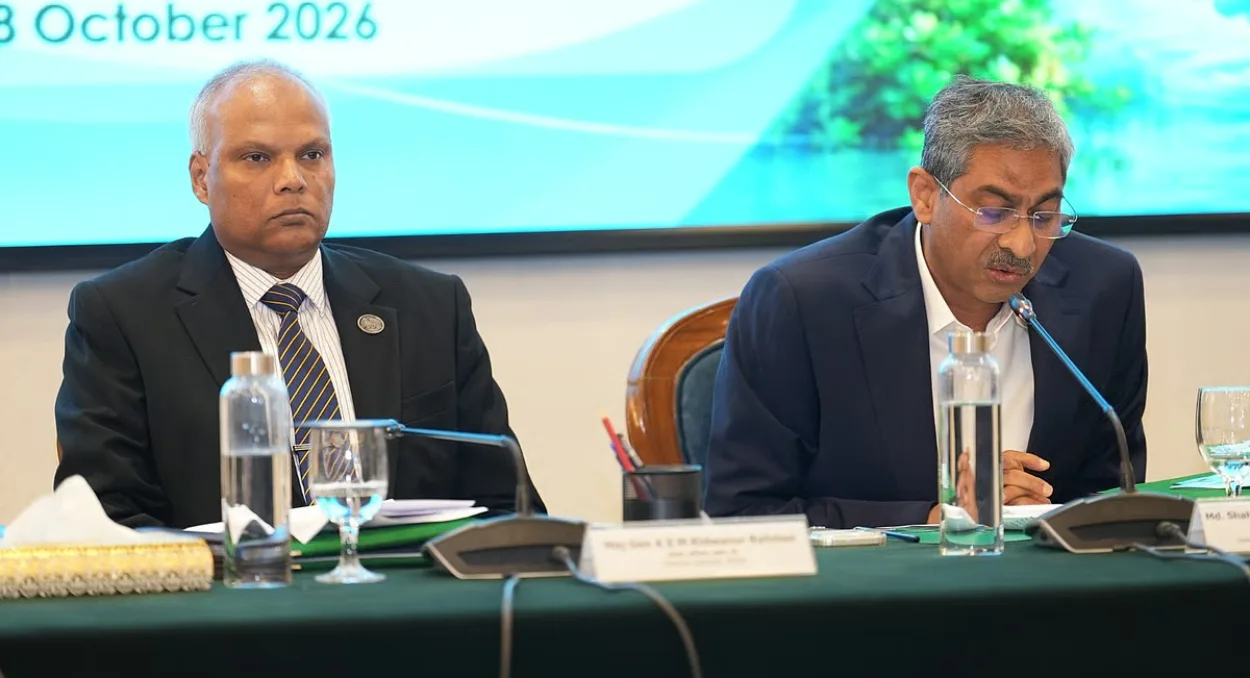
Speaking to reporters following a seminar titled 'New Thoughts on the Future of Water: Youth Leadership, Justice, and Cooperation' at the Bangladesh Institute of International and Strategic Studies (BIISS) auditorium in Dhaka, Minister Shahiduddin emphasized that both Bangladesh and neighboring India are continuously engaging through the Joint Rivers Commission (JRC). State Minister for Foreign Affairs Humayun Kabir, who also addressed reporters at the event, disclosed that Bangladesh has already formed a specialized committee and formally requested neighboring India to nominate its representatives to jump-start official bilateral talks on water sharing.
Detailing major infrastructure initiatives, Minister Shahiduddin announced that physical construction work on the much-anticipated Padma Barrage project is expected to become visible between January, February, and March of next year, following its recent approval by the Executive Committee of the National Economic Council (ECNEC). He added that the government aims to complete feasibility studies for the expansive Teesta Comprehensive Management and Restoration Project by 2027 before commencing full-scale implementation. Acknowledging the complexities of managing transboundary river flows, the water resources minister noted that experts from the Bangladesh University of Engineering and Technology (BUET), alongside domestic and international specialists, are providing vital technical support.

Addressing queries regarding potential external geopolitical pressures concerning the Padma and Teesta mega-projects, Minister Shahiduddin asserted that the welfare and pressing demands of the citizens residing along the riverbanks remain the administration's primary driving force. He criticized past administrations for failing to advance the Padma Barrage project despite completion of preliminary surveys, reiterating that the current government is fully committed to translating these vital master plans into visible reality.
State Minister Humayun Kabir echoed similar sentiments on Thursday, stressing that Bangladesh is firmly pursuing its rightful share of transboundary water resources in accordance with international legal principles. Expressing confidence in receiving a positive response from New Delhi soon, the state minister underscored that constructive dialogue, sustained official communication, and mutual cooperation between the leadership of both nations are essential for achieving a friendly and equitable resolution to long-standing water-sharing challenges.