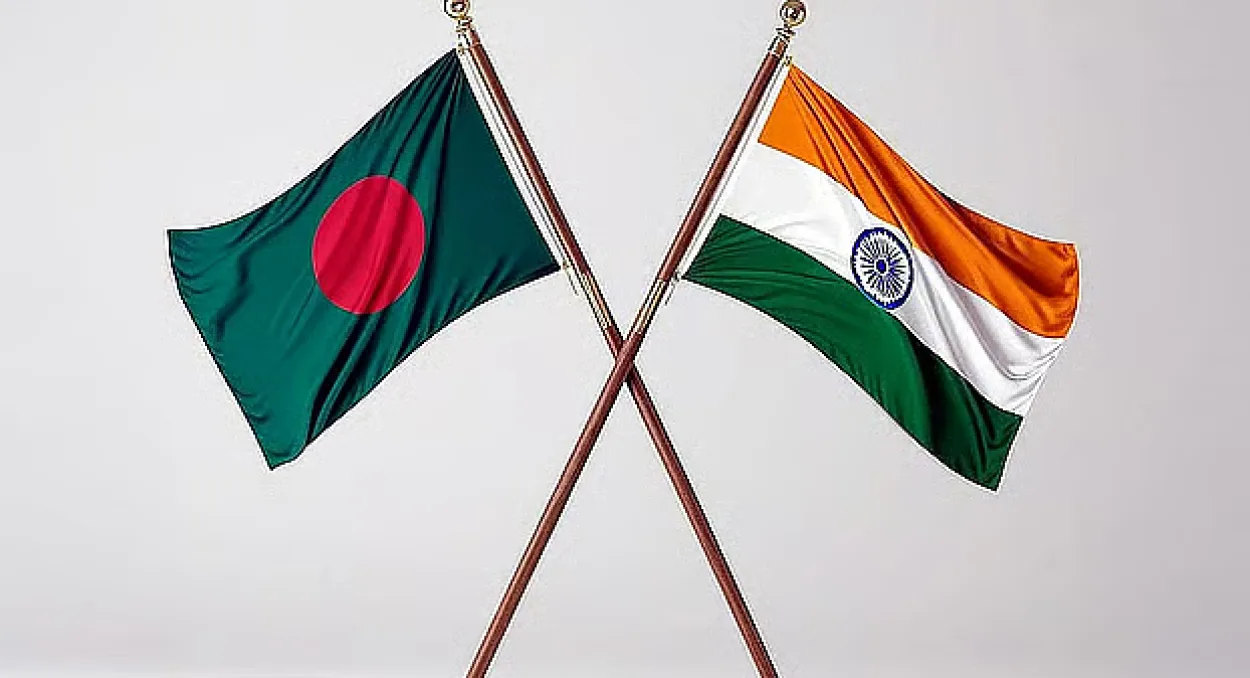
Bangladesh has strongly pressed neighboring India to eliminate land port-based restrictions and non-tariff barriers impeding Bangladeshi exports to the Indian market. The emphatic call was made during the 16th meeting of the Bangladesh-India Joint Working Group on Trade, held in New Delhi on October 8 and 9. A 10-member Bangladeshi delegation, led by Additional Commerce Secretary Ayesha Akhter, participated in the two-day bilateral discussions, according to a press release issued by the Ministry of Commerce on Friday (October 10).
During the deliberations in New Delhi, the Bangladeshi delegation prioritized the safeguarding of domestic exporters' interests by demanding the immediate withdrawal of existing bottlenecks on goods entering through Indian land ports. The discussions comprehensively addressed streamlining market access by dismantling tariff and non-tariff barriers, alongside tackling other trade-remedy measures. Furthermore, Dhaka explored mechanisms to sustain duty-free market access for its exports under the South Asian Free Trade Area framework following Bangladesh's upcoming graduation from the Least Developed Country status. The delegation also underscored the necessity of harmonizing product standardization procedures and simplifying the process for obtaining certification from the Bureau of Indian Standards.
Expanding regional transit connectivity remained a paramount priority for Bangladesh during the bilateral talks. The delegation specifically pressed for enhanced cargo truck transit through Indian territory to facilitate seamless exports from Bangladesh to Nepal and Bhutan. Additionally, Bangladesh proposed activating the Chief Executive Officers Forum to foster direct engagement between the business communities of both nations. To ensure uninterrupted cross-border commerce, the Bangladeshi side highlighted the urgency of upgrading infrastructure at Indian Land Customs Stations, advocating for expanded entry points, parking yards, warehouses, sheds, inspection facilities, and quarantine services.

In response, the Indian delegation articulated its own set of proposals to resolve existing bilateral trade impediments. India's representatives in New Delhi demanded the removal of restrictions on exporting Indian cotton yarn and other commodities through specific Bangladeshi land ports. New Delhi's agenda also encompassed eliminating barriers on goods exported from India's northeastern states to Bangladesh, expanding multimodal transport networks, increasing the operational efficiency of the Akhaura-Agartala route, upgrading railway connectivity, and boosting the functioning of border hauts.
Trade analysts observe that both nations possess vast potential to expand bilateral commerce by capitalizing on geographic proximity and regional connectivity. However, realizing these economic dividends requires decisively dismantling market entry barriers and resolving cargo clearance bottlenecks at the borders. Observers express optimism that the constructive dialogues held during the joint working group session will pave the way for effective solutions to these enduring challenges.