
Rights Group Odhikar Warns Proposed Human Rights Commission Law Threatens Institutional Independence

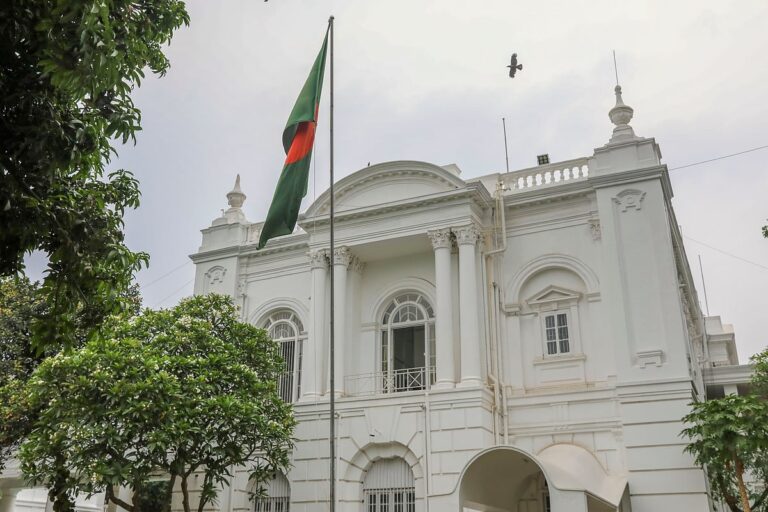
Photo Collected
The human rights organization Odhikar has expressed grave concerns that the proposed National Human Rights Commission Act, 2026, could transform the watchdog into a government-controlled entity rather than an independent institution if passed by parliament.
In a statement issued on Sunday, Odhikar asserted that the draft legislation, which received cabinet approval on August 10, fails to adhere to the internationally recognized Paris Principles. The organization noted that during the 15-and-a-half-year tenure of the ousted Hasina regime, the commission functioned as a subordinate body to the government, remaining silent despite widespread reports of extrajudicial killings, enforced disappearances, mass arrests, and torture against political opponents and dissenting citizens.
According to the group, the interim government had initially issued the National Human Rights Commission Ordinance, 2025, to establish a robust commission aligned with the Paris Principles following the mass uprising. However, that ordinance lapsed after the Bangladesh Nationalist Party (BNP) government failed to introduce it as a bill in parliament.
Odhikar specifically highlighted Section 19 of the new draft, which stipulates that the commission cannot initiate its own investigations into allegations of human rights violations committed by law enforcement agencies or their members. The organization warns that this restriction threatens the impartiality of future investigations and risks perpetuating a culture of impunity for perpetrators.
Regarding the appointment process, the rights group raised concerns over state hegemony. While the Paris Principles mandate pluralistic representation, the draft bill proposes a nine-member selection committee dominated by government figures, including the Speaker of the National Parliament, two cabinet ministers, one member of parliament from the ruling party, and the Cabinet Secretary. With two additional members appointed by the President and one by the University Grants Commission, Odhikar estimates that eight out of the nine members will be government-affiliated. Furthermore, the organization criticized the draft for failing to provide specific provisions for women’s representation.
Odhikar concluded that these modifications are antithetical to the aspirations of the July mass uprising and the public demand for a functional, independent commission. The organization urged for immediate revisions to align the draft with the Paris Principles, arguing that a truly independent commission is essential for curbing human rights abuses and enhancing the nation’s standing both domestically and internationally.
0%
0%
0%
0%
More News from Local