
Plaque honoring slain police officer removed from Dhaka DB headquarters gate
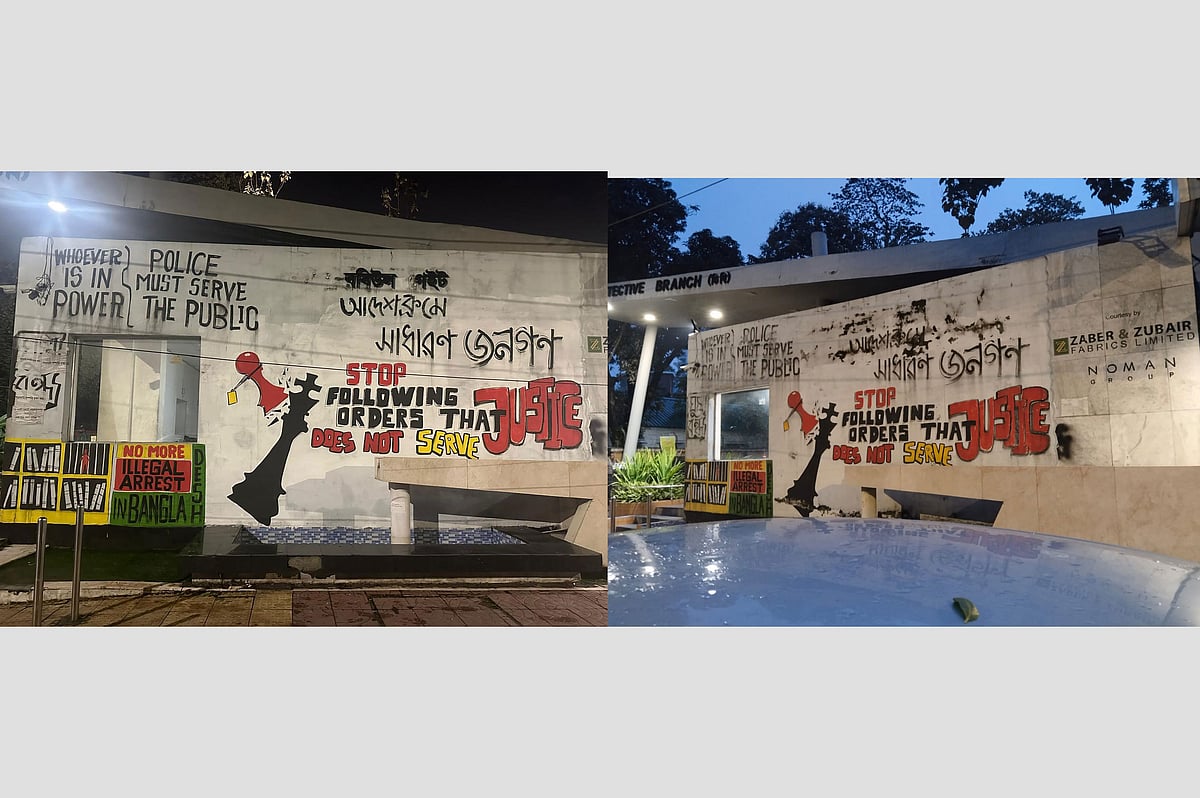
Photo Collected
The commemorative plaque honoring Assistant Commissioner Rabiul Karim at the entrance of the Detective Branch (DB) headquarters on Minto Road in Dhaka has been removed, raising questions about the management of the highly secured facility. The gate, once officially named “Shaheed Rabiul Gate” to honor the officer who was killed during the 2016 Holey Artisan Bakery attack, no longer bears his name.
Despite the DB headquarters being one of the most protected installations in the capital, equipped with constant police surveillance and comprehensive closed-circuit camera coverage, authorities have yet to offer an explanation for the disappearance of the plaque. Niaz Mehedi, Additional Deputy Commissioner of the Dhaka Metropolitan Police (DMP) media and public relations wing, stated that he had consulted with the Additional Commissioner of the DB, who confirmed that while the gate’s official designation remains unchanged, the department has no information regarding how or by whom the plaque was removed.
বিজ্ঞাপন
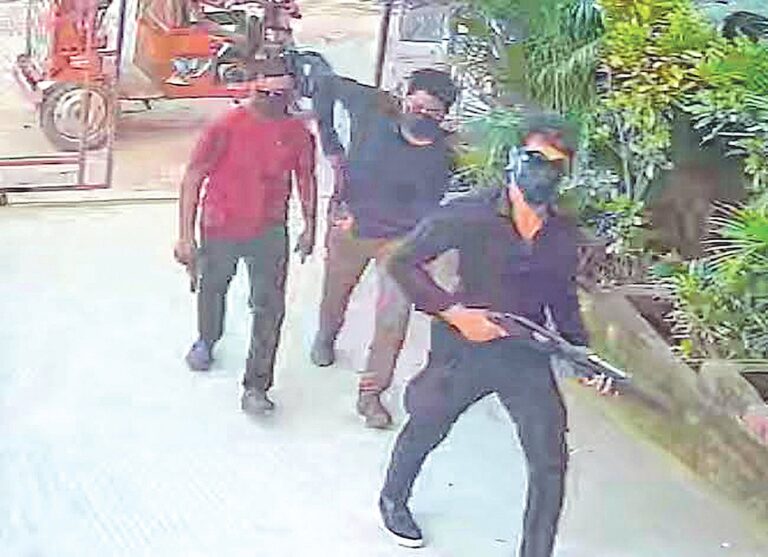
Assistant Commissioner Rabiul Karim, a member of the 30th BCS police batch, sacrificed his life while attempting to rescue hostages during the July 2016 terror attack at the Holey Artisan Bakery in Gulshan. His actions during the standoff, which ultimately claimed the lives of 20 hostages and two police officers, including Banani Police Station’s then-Officer-in-Charge Salahuddin Khan, led to his posthumous recognition.
Evidence suggests the removal occurred recently. According to images provided by a colleague of the late officer, the “Shaheed Rabiul Gate” plaque remained intact well into October 2024, despite acts of vandalism and graffiti directed at the DB headquarters following the fall of the previous government in early August. The absence of the plaque in current photographs indicates it was removed sometime after October, though no official order for its disposal has surfaced.
বিজ্ঞাপন
Umme Salma, the widow of Rabiul Karim, expressed deep distress over the development. She noted that the naming of the gate was a tribute to a man who gave his life for the public good, and described the removal of his name from such a significant site as deeply regrettable.
0%
0%
0%
0%