
Nine Years After Historic Enclave Exchange Former Stateless Residents Embrace New Citizenship
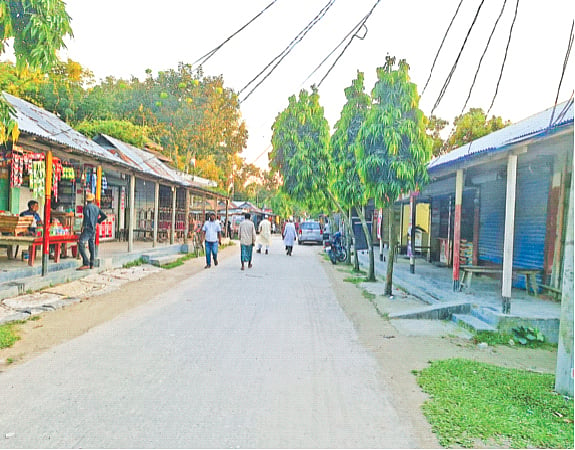
Photo Collected
On the night of July 31, 2015, a historic geopolitical transformation took place as Bangladesh and India formally exchanged 162 enclaves, ending decades of administrative limbo for over 51,000 residents. The exchange, the culmination of a process rooted in the 1974 Land Boundary Agreement between Sheikh Mujibur Rahman and Indira Gandhi, finally granted citizenship and basic human dignity to people who had effectively existed in a stateless vacuum for 68 years.
Before the exchange, residents of these isolated patches of land—111 Indian enclaves within Bangladesh and 51 Bangladeshi enclaves within India—faced severe systemic discrimination. Deprived of electricity, formal education, healthcare, and legal identity, they were often disparaged as “chiter manush” (people of the enclaves). Many were forced to adopt false identities or rely on neighbors’ credentials just to access schools or hospitals. The lack of state presence led to a precarious existence where, in larger enclaves like Kurigram’s Dasiarchhara, residents were compelled to establish rudimentary, self-governed judicial systems and makeshift prisons in the absence of law enforcement.
Since the integration of these territories, the landscape of places like Dasiarchhara has undergone a visible metamorphosis. Modern infrastructure, including paved roads, consistent electrical supply, and functioning educational institutions, has replaced the neglect of the pre-2015 era. Residents who once lived in the shadows now report a sense of belonging and newfound freedom, viewing their recognition as citizens as a source of national pride.
The transition, however, was not without personal cost. While the majority of inhabitants chose to remain in their ancestral homes, some families opted to migrate across the border to the country they were now officially affiliated with. For these individuals, the move often proved difficult, as they struggled to adapt to new environments and social structures after severing ties with their birthplaces. Reports indicate that some who relocated still grapple with feelings of displacement and a desire to return to their original communities.
While the administrative and structural integration has been largely successful, challenges regarding land registration and specific bureaucratic hurdles remain for some citizens. According to Golam Mostafa, general secretary of the enclave exchange coordination committee in Bangladesh, while the leap in development has exceeded expectations, the government must continue to address lingering concerns to fully rectify the decades of state-imposed hardship.
As observers like Tuhin Wadud, a professor at Begum Rokeya University, have noted, the deep-seated grievances of 68 years cannot be erased overnight. The successful integration of these populations remains a testament to bilateral cooperation, yet experts emphasize that both nations hold a continued responsibility to ensure that those who endured years of systemic neglect are provided with the ongoing support necessary to flourish as full, equal citizens.
0%
0%
0%
0%