Journalists Urged to Promote Cultural Heritage and Combat Misinformation for Youth Development
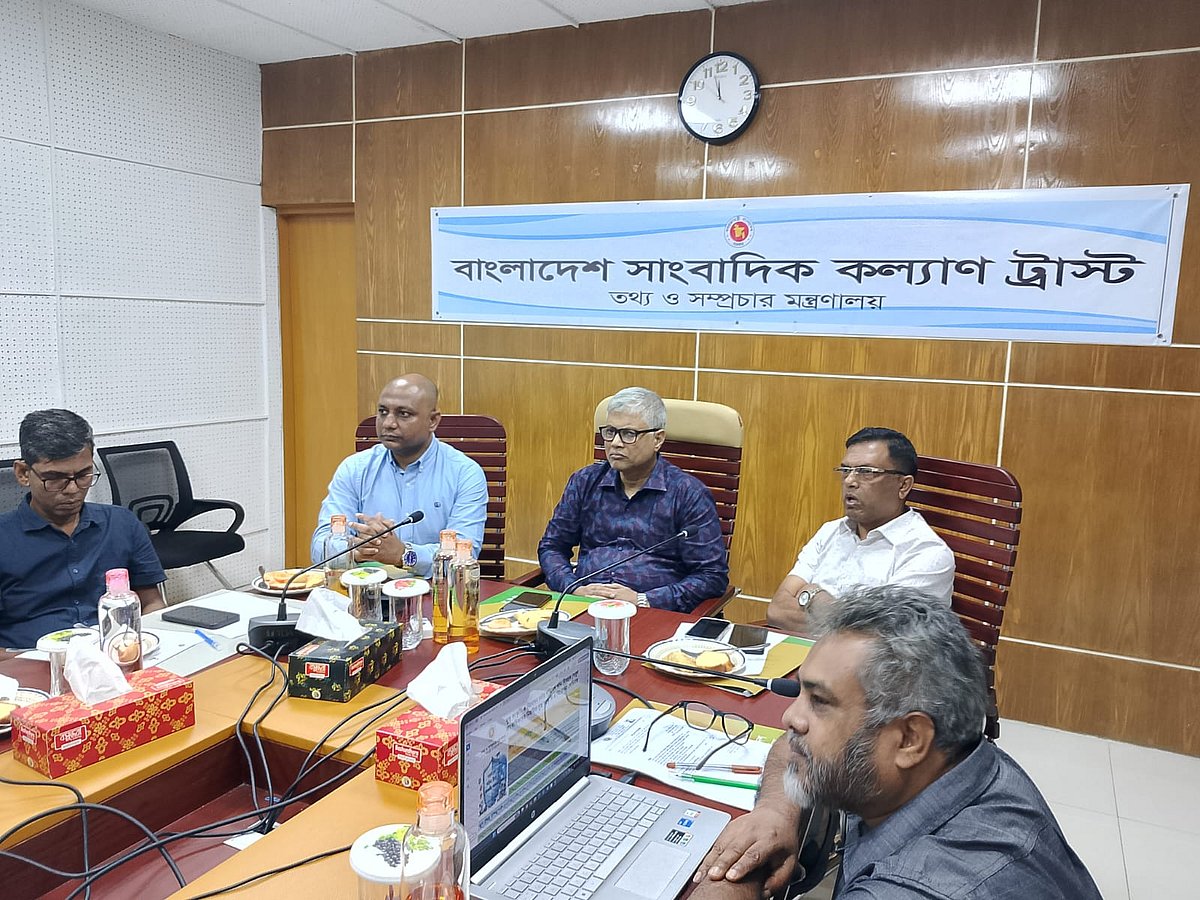
Photo Collected
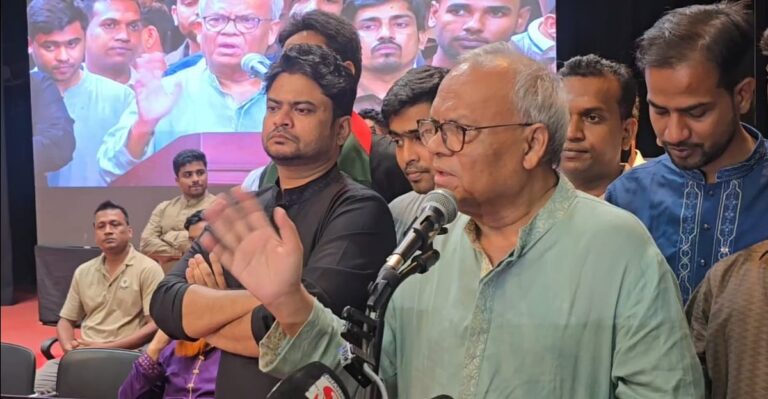
Experts gathered in Dhaka on Sunday emphasized the vital role of healthy cultural engagement and responsible journalism in fostering the physical and mental well-being of the younger generation. During a seminar titled “Creating an Environment for Healthy Culture and Entertainment for Young Journalists,” held at the Bangladesh Journalists Welfare Trust office, speakers urged media professionals to combat the rise of digital misinformation and cultural erosion by prioritizing fact-checking and the promotion of indigenous traditions.
Prime Minister’s Deputy Press Secretary Jahidul Islam underscored the importance of wholesome entertainment, noting that the decline of organized cultural activities nationwide has hindered the natural development of children and adolescents. He advocated for the creative preservation of the nation’s 2024 mass uprising, suggesting that its historical significance and sacrifices be immortalized through drama, film, and other cultural mediums. Furthermore, he encouraged young journalists to serve as brand ambassadors for preserving traditional folk heritage, such as the *palki* and *bioscope*.
The necessity of aligning journalism with national identity was echoed by Bogura Press Club General Secretary Abul Kalam Azad, who remarked that a nation’s values and history are deeply mirrored in its cultural output. He cited the international recognition of Bangladesh’s archaeological heritage by UNESCO as a source of national pride that media professionals should strive to highlight. The keynote presentation at the event was delivered by Mohammad Abdul Bashir, Managing Director of the Bangladesh Journalists Welfare Trust.
To address the challenges posed by the digital age, the seminar concluded with a set of eight policy recommendations for journalists. These guidelines mandate rigorous verification of information from multiple sources before publication and the complete abandonment of clickbait or misleading headlines. Journalists were also urged to uphold intellectual property rights, prioritize the coverage of indigenous literature and arts, and refrain from reporting that compromises personal privacy or human dignity.
The final recommendations emphasized the importance of robust fact-checking mechanisms to counter fake news and propaganda. Participants were encouraged to focus on creating educational, positive, and value-based content. Additionally, the assembly called for the implementation of consistent training programs for journalists regarding digital ethics, cyber laws, and the evolving landscape of modern technology to ensure a more responsible and effective media environment.
0%
0%
0%
0%