

Indigenous Rakhine Community Faces Existential Threat Over Land Grabs in Coastal Bangladesh
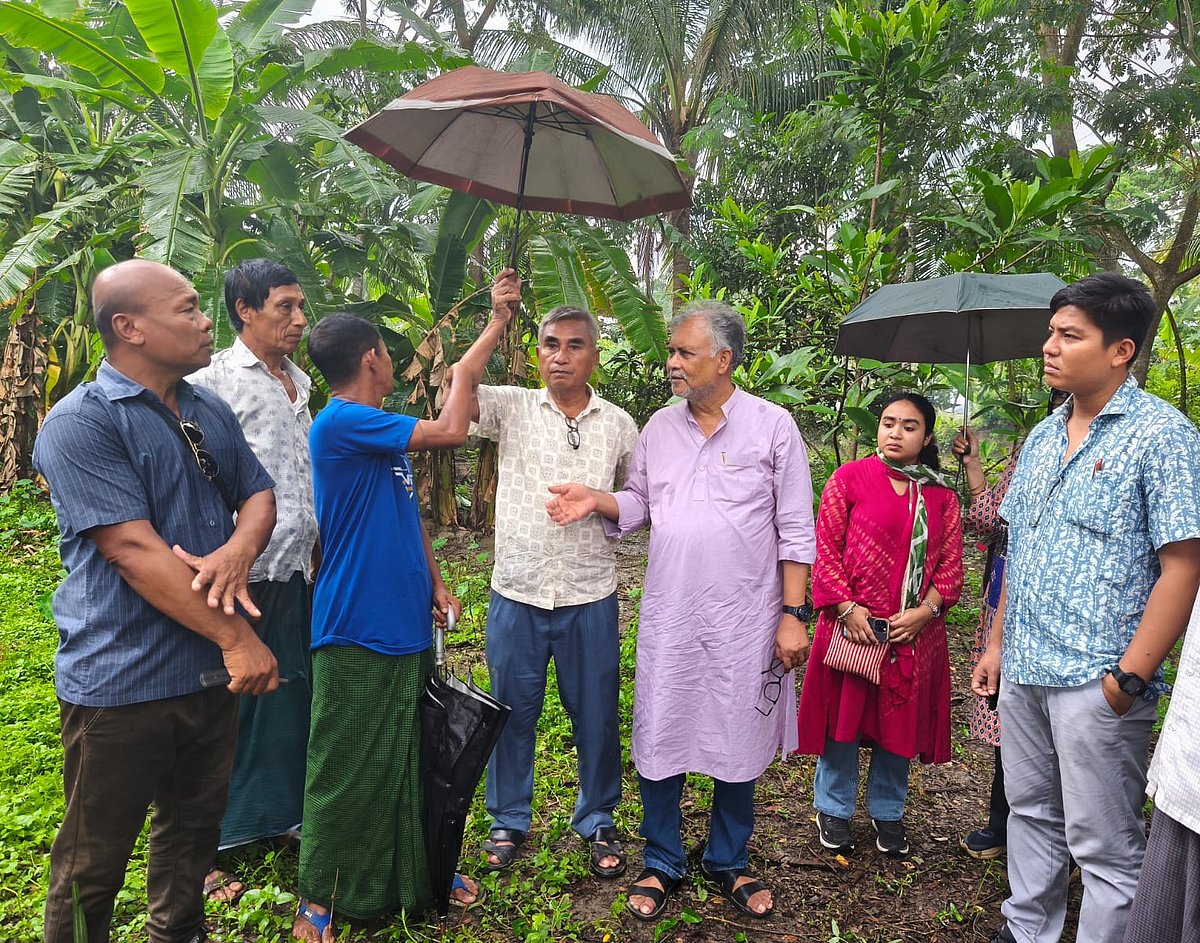
Photo Collected
The indigenous Rakhine community in Patuakhali’s Kuakata and Kalapara regions is facing an existential crisis as ancestral lands are increasingly encroached upon by local power brokers, leading to a profound deterioration in their socio-cultural and economic stability. A delegation from the rights organization ‘Citizens for Human Rights’ recently visited several historic Rakhine settlements, including Mishripura, Nayapara, and Keranipara, to document these systemic challenges.
During the site visits, community members expressed grave concern over the steady loss of their land, which has reached a point where even traditional burial grounds are being seized by influential individuals. Satej Chakma, program director for ‘Land is Life’ Asia and a member of the delegation, noted that the Rakhine people are being pushed to the brink of destitution. He highlighted the ongoing plight of six families from Chhani Para village, who were displaced in 2021 to make way for the Payra Port project. Despite verbal assurances of a monthly stipend of 5,000 taka pending permanent resettlement, the assistance ceased after only six months, leaving these families in extreme hardship without a long-term resolution from port authorities.
বিজ্ঞাপন
The delegation also documented the systematic shrinking of sacred spaces, citing the Srimangal Buddhist Temple in Kuakata. Originally granted over two acres of land by the British government in 1943, the temple’s footprint has been reduced to less than one acre due to persistent encroachment. Observers noted that the sanctity of the site is further compromised by the construction of toilets along the temple walls, which they describe as a deliberate attempt to seize remaining property.
Zakir Hossain, head of the delegation and chief executive of Nagorik Udyog, emphasized that the investigation revealed deep-seated issues ranging from food insecurity to the lack of educational opportunities for Rakhine youth. The delegation, which included biodiversity researchers, human rights activists, and academics, observed widespread degradation of housing and the loss of cultural heritage sites. They pledged to present these findings to government departments to advocate for immediate protective measures.
বিজ্ঞাপন
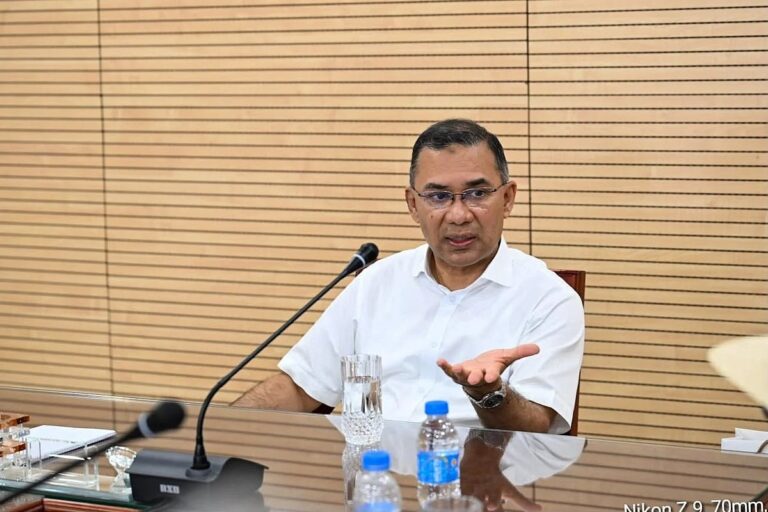
Following the field assessment, the delegation met with Kalapara Upazila Executive Officer (UNO) Kawsar Hamid and Assistant Commissioner (Land) Md. Yasin Sadek at the Kuakata municipal conference room. Acknowledging the historic role the Rakhine community has played in the development of the region, the local administration expressed a commitment to preserving their cultural identity. The UNO assured the delegation that the issues brought to light, particularly those concerning land rights and resettlement, would be treated as an administrative priority.
0%
0%
0%
0%