Dhaka transforms former Prime Minister’s residence into July Uprising memorial museum
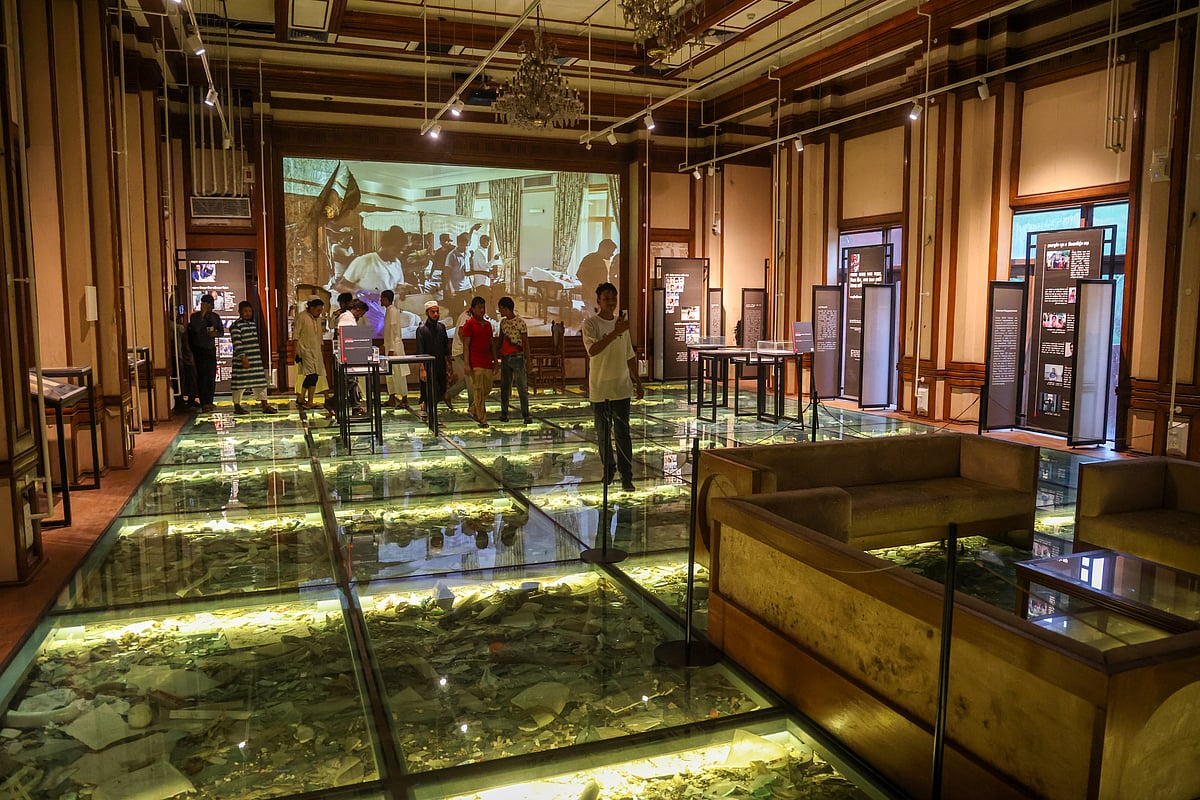
Photo Collected
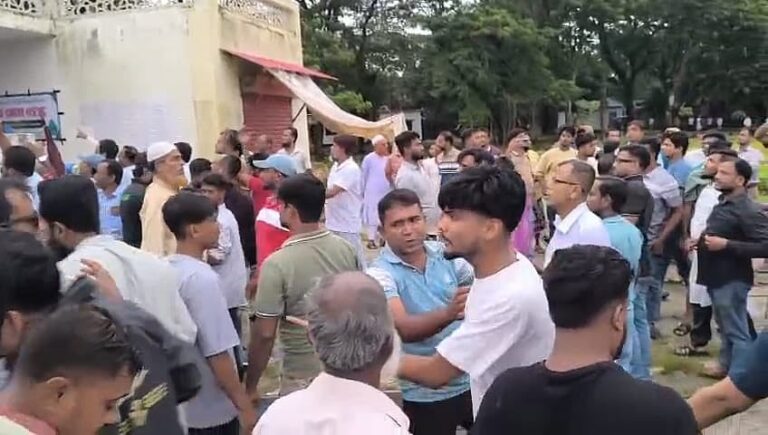
The sprawling 17-acre complex in Dhaka’s Sher-e-Bangla Nagar, once the exclusive residence of deposed Prime Minister Sheikh Hasina, has officially reopened as the “July 36 Mass Uprising Memorial Museum.” Prime Minister Tarique Rahman inaugurated the site on Wednesday, marking the second anniversary of the historic uprising that forced Hasina to flee the country on August 5, 2024. Following her departure, the residence was stormed by thousands of protesters, leaving behind physical scars of public fury that are now preserved as part of the national narrative.
The museum is open to the public daily from 11:00 a.m. to 6:00 p.m., excluding Thursdays and public holidays. Visitors are welcomed by a sprawling garden featuring a series of sculptures depicting pivotal moments of the struggle, including the student-led marches, the sacrifices of women in the movement, and the infamous “Aynaghar” detention centers. A central feature of the grounds is the “July Memorial,” a white marble installation inscribed with the names of nearly 4,000 victims of the previous administration’s 15-year tenure.
Inside the two-story residence, the museum functions as a stark indictment of the former regime’s authoritarianism. The ground floor documents the systematic repression of dissent, featuring evidence of extrajudicial killings, financial corruption, and the notorious treatment of political prisoners. A primary highlight includes the former Prime Minister’s “Call Room,” where top officials once convened; the floor remains preserved under thick glass, leaving the remnants of the post-uprising vandalism visible to visitors walking above.
The second floor is dedicated to the July uprising itself, showcasing the personal belongings of over 500 martyrs, including blood-stained clothing and academic materials. A highlight of the exhibit is an “immersive project” room, which uses 360-degree digital projections to transport viewers into the heart of the protests. According to Museum Director General Tanjim Ibn Wahab, the facility aims to provide an exhaustive archive of the democratic struggle, with ongoing efforts to collect and catalog further artifacts as space permits.
Due to the limited capacity of the historic building, visitor entry is organized into three daily shifts: 11:00 a.m. to 1:00 p.m., 1:00 p.m. to 3:00 p.m., and 3:00 p.m. to 6:00 p.m. While access to the main museum interior is timed, visitors are permitted to spend extended time exploring the grounds, the memorial, and the on-site cafeteria. Tickets, priced at 50 BDT for adults and 20 BDT for children, can be purchased either online via the official website or at the museum entrance.
0%
0%
0%
0%