

Dhaka Metro Rail stations struggle with persistent sidewalk encroachment by illegal vendors
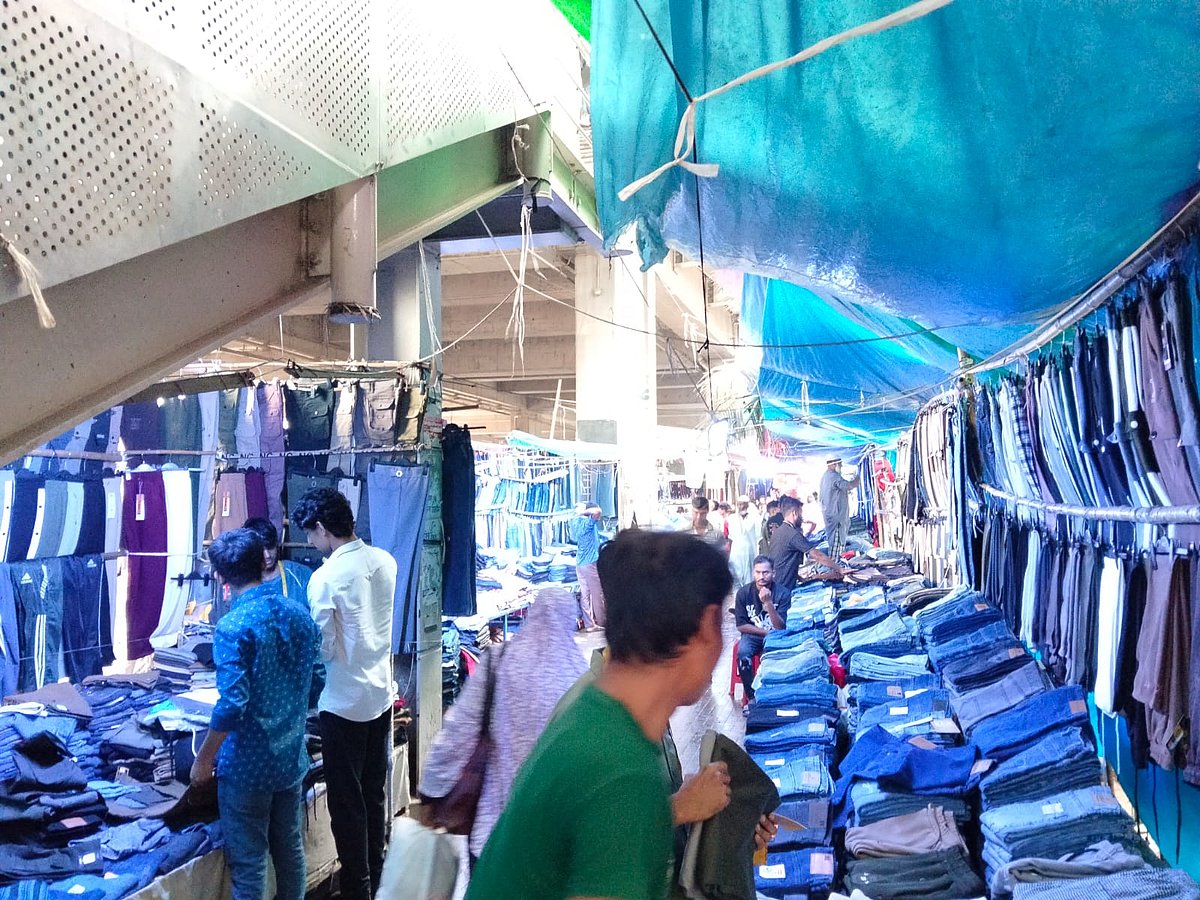
Photo Collected
Pedestrians navigating the area surrounding Dhaka’s Mirpur-10 metro station face daily congestion as unauthorized street vendors occupy the majority of the public footpaths. The encroachment has forced commuters into narrow, bottlenecked lanes, leading to frequent physical collisions and an increasingly hostile environment for those traveling to and from the city’s transit hubs.
The occupation is not incidental but appears to be a managed system. Several street vendors confirmed that establishing a stall at Mirpur-10 requires an upfront payment to a local operator identified only as “Abul,” who oversees stall placement. Fees for a spot range from 20,000 to 40,000 taka, depending on the location and type of business, alongside a mandatory daily fee of 150 to 300 taka for electricity and “security.” According to these vendors, the network receives advance notice of official eviction drives, allowing them to temporarily relocate their goods before authorities arrive and return shortly after operations conclude.
বিজ্ঞাপন
This pattern of occupation extends well beyond Mirpur-10, with similar conditions reported at the Karwan Bazar, Shahbag, and Motijheel stations. As the metro system now carries more than 450,000 passengers daily, the crowding at these points creates significant logistical challenges for commuters trying to enter or exit the stations during peak hours.
The Dhaka Mass Transit Company Limited (DMTCAL) maintains that it is working to keep these areas clear. Officials, including Deputy Project Director Ahsan Ullah Sharifi, stated that the agency conducts regular, coordinated eviction drives with relevant government departments. Records show recent operations at the Kazipara, Karwan Bazar, and Uttara stations, with authorities removing unauthorized structures and stalls.
বিজ্ঞাপন
Despite these interventions, transit users and local residents argue that the sporadic nature of the evictions offers no lasting relief. Critics contend that a lack of sustained surveillance and consistent enforcement allows the encroachers to reclaim the space almost immediately. Without a more rigorous strategy to break the cycle of illicit payments and local management of public thoroughfares, millions of daily commuters continue to bear the burden of a obstructed, congested urban infrastructure.
0%
0%
0%
0%