

Curry Leaves Gain Recognition in Bangladesh as Versatile Culinary and Medicinal Resource
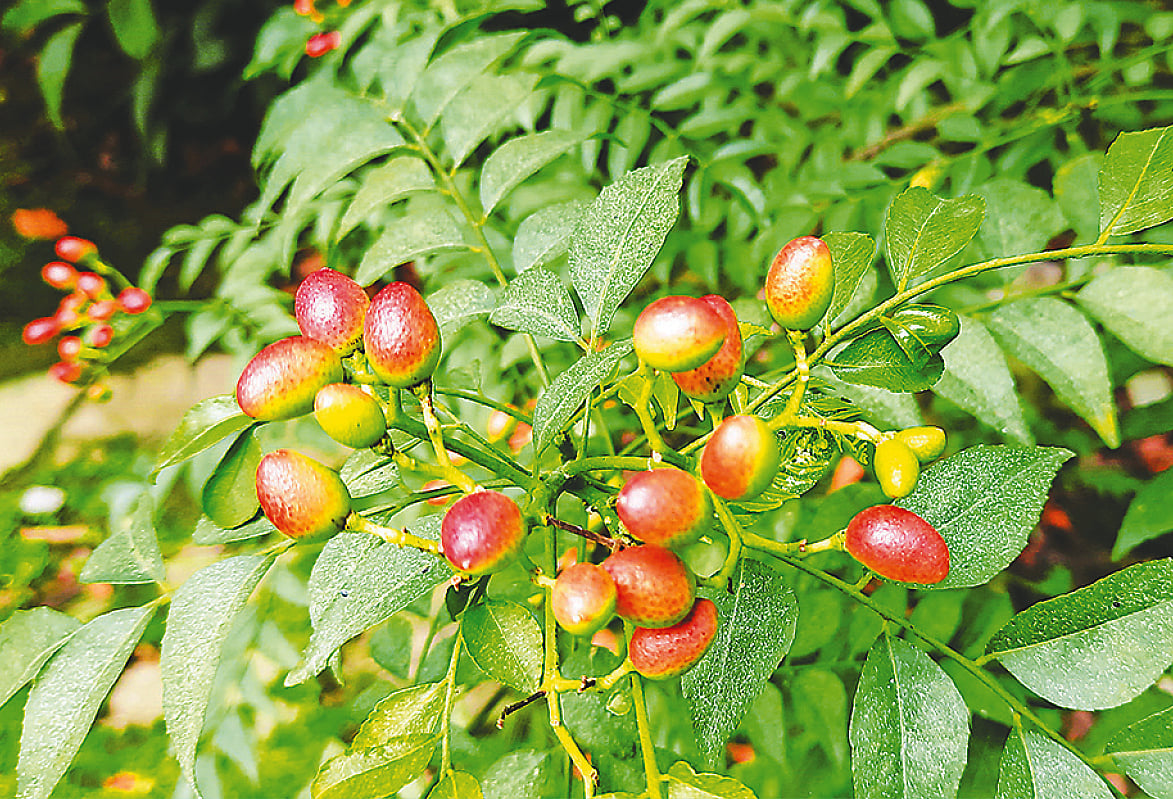
Photo Collected
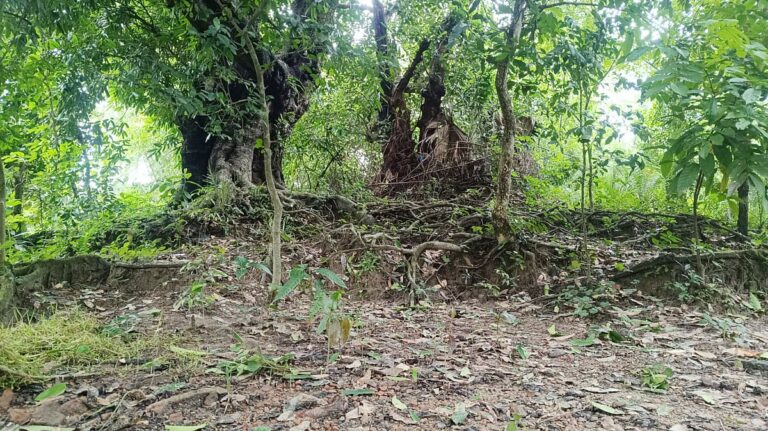
The curry leaf plant, long a staple of South Indian cuisine, is slowly emerging from obscurity in Bangladesh as its unique aromatic and medicinal properties gain wider recognition. Known locally in some regions as “Nimbhut” or “Barsunga,” the plant has been spotted flourishing in both urban residential gardens in Mymensingh and wild environments along the Someshwari River in the Netrokona district.
Botanically identified as *Bergera koenigii* and belonging to the *Rutaceae* family—the same botanical lineage as citrus and orange jasmine—the plant is often mistaken for the neem tree due to its pinnate, compound leaves. However, its identity is easily confirmed by a distinct, pungent fragrance that combines hints of black pepper, clove, and ginger, derived from volatile sulfur-based oils present in the foliage.
বিজ্ঞাপন
The curry tree, or “sweet neem,” is a hardy species capable of growing up to six meters in height and thriving at altitudes of up to 1,500 meters. The plant typically blooms between February and May, producing clusters of aromatic white flowers that eventually yield small, oval-shaped fruits. These fruits transition from green to a dark, glossy black as they mature, housing seeds that allow for relatively easy propagation.
While the plant is often relegated to a niche role in Bangladesh, its utility in South Asian culinary traditions is extensive. In regions like Kerala, it is an essential ingredient in everything from lentils and curries to snacks such as banana chips. Beyond its ability to enhance flavor, the leaves are rich in proteins, calcium, iron, and vitamins A and C. Culinary experts note that while the leaves can be dried and ground into powder for long-term storage, the fresh foliage provides the most potent aroma and nutritional benefit.
বিজ্ঞাপন
Beyond the kitchen, the curry leaf holds a significant place in Ayurvedic medicine. Practitioners utilize the plant’s leaves, roots, and bark to treat a variety of ailments, including digestive issues, dysentery, and diarrhea. Research suggests that regular consumption may assist in managing diabetes, while external applications of crushed leaves are often used to soothe stings and bites from venomous insects. Furthermore, the juice extracted from the roots is traditionally sought for its effectiveness in alleviating liver discomfort.
As awareness of its multifaceted benefits grows, there is potential for the curry leaf to transition from an overlooked wild shrub to a cultivated asset in home gardens. Whether used as a medicinal remedy or a culinary spice, the plant offers a promising avenue for improving both domestic nutrition and traditional healthcare practices.
0%
0%
0%
0%