

Concerns Mount Over Potential Reversion of Teacher Recruitment Powers to School Governing Bodies
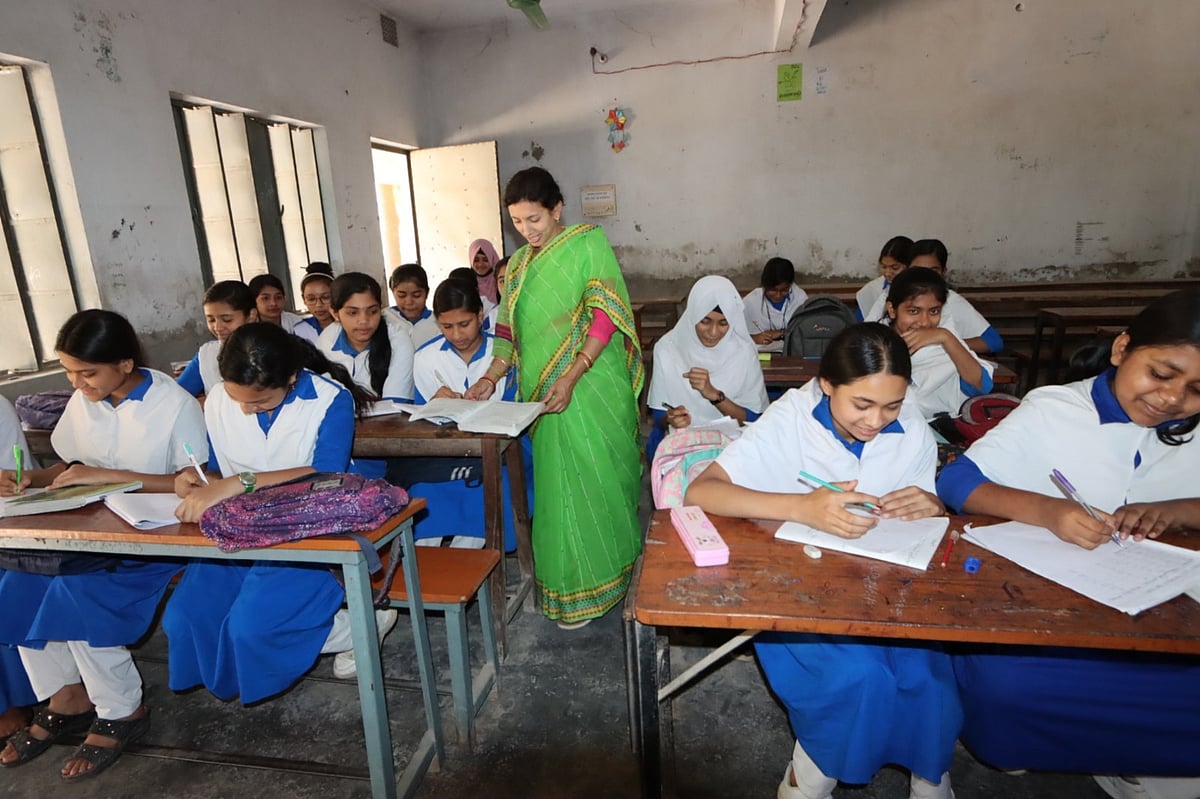
Photo Collected
The integrity of the recruitment process for Bangladesh’s private educational institutions has come under scrutiny as the government faces criticism over recent administrative shifts. Concerns are mounting that current policy adjustments may signal a retreat to a decentralized system previously marred by allegations of corruption, nepotism, and political interference.
The core of the debate centers on the restoration of recruitment authority for non-teaching staff—including office assistants, lab operators, and support personnel—to local school managing committees. This power had been briefly transferred to a committee led by district commissioners in September 2023 to ensure transparency. However, a July 21 Ministry of Education directive effectively reversed this, returning hiring control to the managing committees.
Parallel to this, uncertainty persists regarding the recruitment of teaching staff. Although the Non-Government Teachers Registration and Certification Authority (NTRCA) continues to manage entry-level assistant teacher recruitment, there are reports of internal discussions within the ministry regarding potentially stripping the NTRCA of its recommendation powers for other teaching positions. While Education Minister Ahsanul Haque Milon has publicly denied that a final decision has been reached, the discourse has fueled significant anxiety among stakeholders.
The NTRCA, established in 2005 to professionalize hiring, recently conducted written examinations for institutional heads and assistant heads on April 18. Despite 14,942 candidates passing the written portion, the subsequent viva voce (oral) interviews have been delayed for nearly four months, casting doubt on the efficacy of the centralized system.
Critics, including Transparency International Bangladesh (TIB), have long argued that decentralizing recruitment to managing committees invites financial malpractice. A 2021 TIB study highlighted that under the committee-led system, appointments were frequently contingent upon bribes ranging from 350,000 to 1.5 million BDT, often involving local political figures. Educational experts contend that returning to this model would undermine meritocracy and jeopardize the quality of education across the country’s 35,000 private secondary schools and colleges.
The role of the managing committees themselves is also under fire. Mohammad Mazharul Hannan, President of the Bangladesh College Teachers’ Association, questioned the necessity of these bodies altogether. He noted that since the government now provides the bulk of salary and administrative funding for MPO-listed (Monthly Pay Order) institutions, the historical justification for committee members to secure local funding has become obsolete. Hannan advocated for empowering the NTRCA or establishing an independent Education Service Commission to handle all recruitments, emphasizing that committees should focus on academic quality rather than administrative and financial hiring powers.
As the ministry navigates these conflicting pressures, the education sector remains in a state of apprehension. Observers warn that any move to weaken centralized, merit-based hiring in favor of localized committee control would be a regressive step, threatening the progress made in stabilizing the teaching profession over the last two decades.
0%
0%
0%
0%