Bangladesh Private Library Solidarity Forms National Committee to Strengthen Grassroots Literacy Initiatives
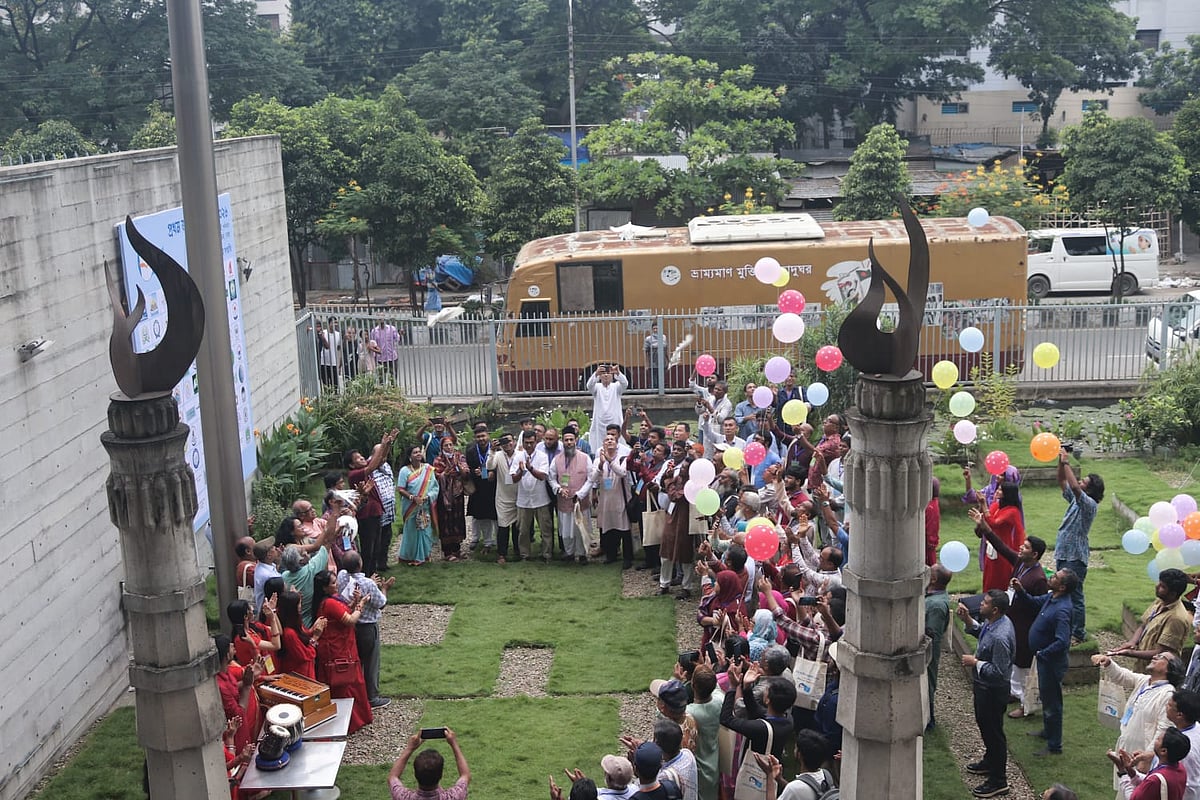
Photo Collected
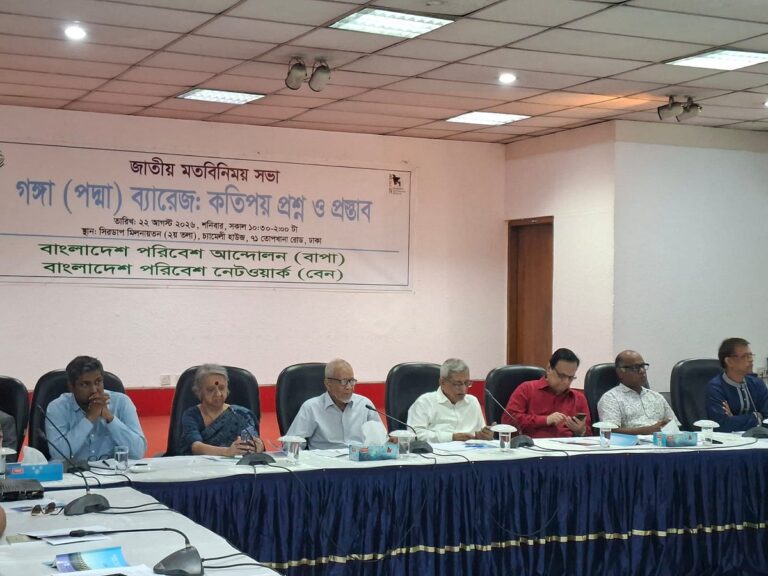
Representatives from private libraries across Bangladesh gathered at the Liberation War Museum in Dhaka on Saturday for the inaugural national conference of the Bangladesh Private Library Solidarity. The event, which drew delegates from over 100 private institutions, concluded with the formation of a 33-member national committee tasked with strengthening the network and advocating for governmental support.
The conference commenced at 10:00 a.m. with a ceremonial hoisting of the national flag and the release of pigeons. During the opening session, chaired by the organization’s convener Mohammad Shahnewaz and moderated by member secretary Md. Zahir Uddin, speakers highlighted the transformative potential of grassroots libraries.
Mofidul Hoque, a trustee of the Liberation War Museum, noted that private libraries have evolved into hubs of social strength. He emphasized that these institutions are vital for fostering intellectual discourse and driving positive societal change. Afsana Begum, director of the National Book Centre, urged stakeholders to transform these libraries into vibrant centers for cultural engagement rather than treating them solely as repositories for books.
The event saw participation from various notable figures in the library movement, including Sheikh Zulfiqar Ali of the century-old Jessore Institute Public Library, Ziaul Haque of Gaibandha Public Library, Md. Zahir Uddin of Granthabitan in Old Dhaka, Professor Main Uddin Pathan of Lakshmipur Public Library and Town Hall, Manzar Chowdhury of Shimanto Gronthagar, and Mujibur Rahman of Ranihati General Library in Chapainawabganj.
During the second session, delegates addressed the systemic challenges facing their institutions. Despite their critical role in promoting literacy, representatives reported that their operations are frequently hampered by chronic funding shortages, a lack of adequate infrastructure, and limited access to new books. They called for formal government recognition and consistent financial assistance to sustain their efforts.
The delegates emphasized that the Bangladesh Private Library Solidarity is essential for coordinating these institutions and creating a unified national network. By formalizing their collaboration, they aim to advocate more effectively for their collective interests and resolve long-standing operational hurdles.
Following the discussion, the organization officially approved its constitution and elected a new executive leadership team. Mohammad Shahnewaz was elected president, and Md. Zahir Uddin was named general secretary. The newly formed 33-member committee will serve a three-year term. The proceedings were conducted by Nusrat Yasmin Rumpa, general secretary of the Gendaria Kisholoy Kochi-Kachar Mela.
0%
0%
0%
0%
More News from Local