

Bangladesh plans rail link expansion and shorter Dhaka-Chittagong travel times
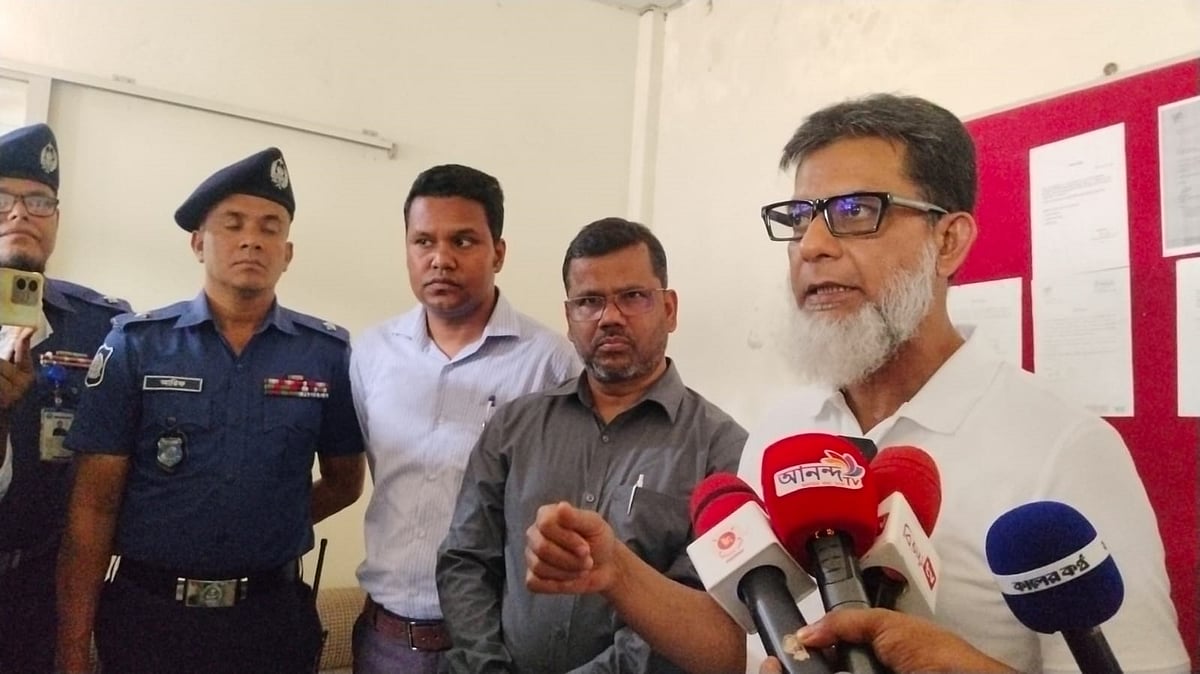
Photo Collected
State Minister for Railways Habibur Rashid has unveiled a strategic roadmap to enhance the connectivity and efficiency of the country’s rail network, emphasizing significant travel time reductions and an expansion of services to the coastal tourist hub of Cox’s Bazar. Following an inspection of the Chittagong-Cox’s Bazar rail line on Saturday, the minister announced that the government plans to increase the frequency of trains to Cox’s Bazar to five pairs, up from the current four, in response to rising passenger demand.
A cornerstone of the government’s modernization agenda involves streamlining the heavily trafficked Dhaka-Chittagong corridor. According to the state minister, a feasibility study is currently underway for the construction of a new chord line connecting Narayanganj and Comilla. If implemented, this project is projected to shorten the route by approximately 80 kilometers, effectively shaving one hour and 20 minutes off travel time between the capital and the port city.
The minister underscored a commitment to operational punctuality, acknowledging concerns regarding recurrent delays. He stated that the railway authorities are investigating the root causes of the scheduling inconsistencies and are working to ensure that existing resources are utilized to their maximum capacity. Efforts to elevate service quality will be matched by a rigorous management approach, with the minister promising swift investigations and disciplinary action against any reported irregularities or corruption within the service.
Addressing infrastructure management, the government has decided to halt new leases on railway lands and is actively reviewing existing agreements. Future plans for these properties include the development of solar energy projects and other initiatives deemed to be in the public interest. Regarding the iconic oyster-shaped station in Cox’s Bazar, the minister noted that the government is evaluating the feasibility of transferring management responsibilities to the private sector to determine if such a model could improve efficiency and user experience.
Environmental stewardship also remains a priority in the wake of the extensive construction projects that resulted in the felling of approximately 240,000 trees. The Ministry of Railways intends to collaborate with local lawmakers, the Forest Department, and civil society organizations to evaluate the status of compensatory plantations. Where deficits are identified, the government plans to launch comprehensive social forestry initiatives to rehabilitate the local environment and mitigate the ecological impact of the rail expansion.
0%
0%
0%
0%
More News from Local