
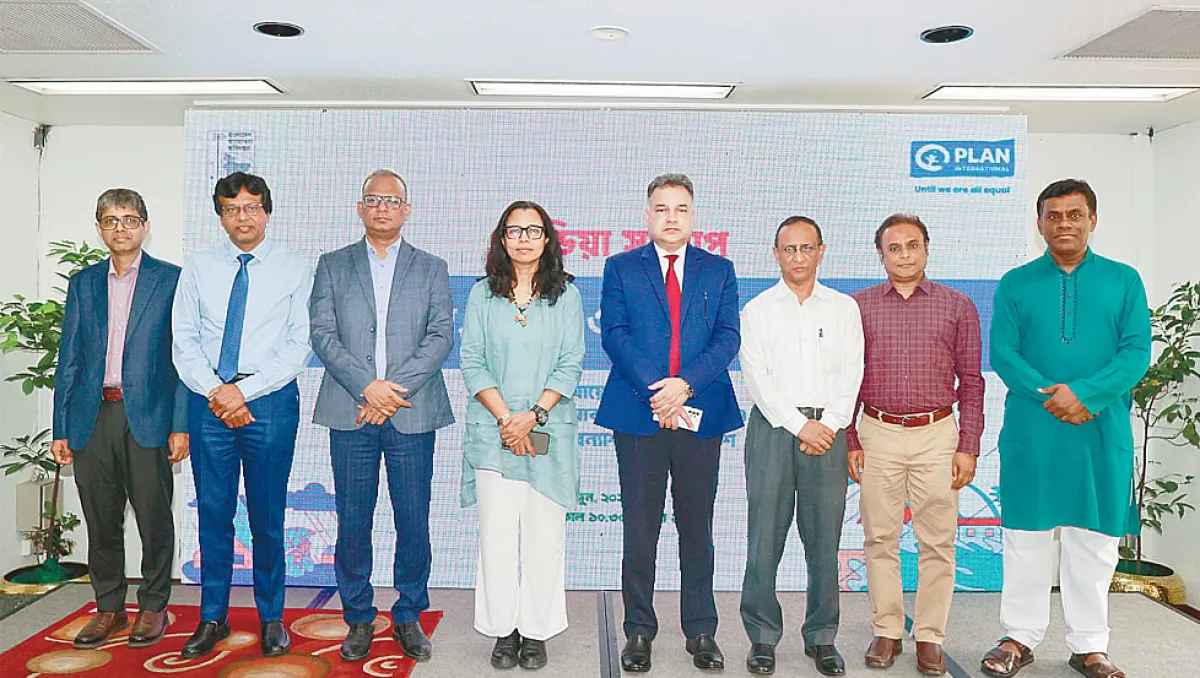
Government officials, meteorologists, and aid organizations gathered in Dhaka on Thursday to emphasize the critical role of media in disseminating timely disaster warnings to reduce casualties from an increasing frequency of natural hazards in Bangladesh. The dialogue, titled "Journalism in the Interest of Weather, Disaster, and Public Interest," underscored the need for collaborative efforts to ensure that early warning systems effectively reach vulnerable populations, particularly as the nation grapples with threats ranging from floods and cyclones to heatwaves and lightning strikes.
Defense Secretary Md. Ashraf Uddin highlighted that while Bangladesh has made remarkable progress in disaster management—notably reducing cyclone-related deaths from hundreds of thousands in 1970 to double digits today—the focus must now shift toward protecting assets and livelihoods. He urged for more accessible and reliable communication, noting that people often hesitate to abandon their homes and livestock to reach shelters. Bridging this gap requires educating the public that modern shelters are designed to accommodate both families and their belongings.
The event, organized by the Bangladesh Meteorological Department (BMD) and Plan International Bangladesh, brought attention to the disproportionate impact disasters have on marginalized groups. Plan International Country Director Kabita Bose pointed out that women, children, the elderly, and people with disabilities remain the most vulnerable. She called for targeted efforts to ensure these groups receive life-saving information, particularly regarding the increasing threat of lightning strikes, which have claimed 141 lives this year alone.
Officials from the Department of Disaster Management reinforced the necessity of public trust in official alerts. Director General Rezwanur Rahman explained that Bangladesh has improved its standing as a disaster-resilient nation, with shelter designs now incorporating multi-purpose facilities, including livestock storage and inclusive accessibility features. However, the success of these infrastructures hinges on the media’s ability to turn technical alerts into actionable advice that convinces citizens to seek safety.

Experts at the session also provided practical guidance for public safety. Meteorologist Muhammad Abul Kalam Mallick emphasized the "30/30 rule" for lightning safety: if thunder is heard within 30 seconds of a lightning flash, individuals should immediately seek indoor shelter and remain there for at least 30 minutes. He advised against staying on rooftops or touching rainwater during storms, particularly during the high-risk months of March and April.
Representatives from the Bangladesh Water Development Board and media leaders echoed the call for sustained engagement. They urged journalists to prioritize consistent, early reporting on weather patterns rather than waiting for the onset of a disaster. By fostering confidence in the accuracy of these forecasts and addressing concerns regarding resource security, the media can serve as a vital conduit in saving lives and mitigating the economic devastation caused by an increasingly volatile climate.




