
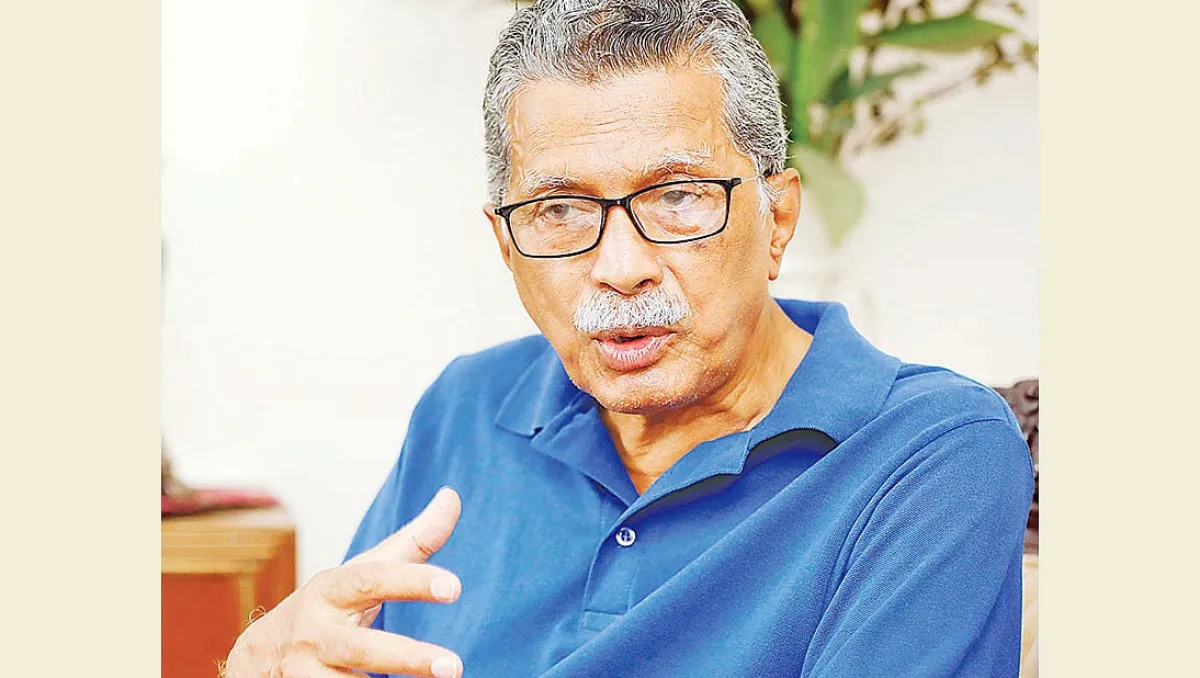
The forced expulsion of individuals across the India-Bangladesh border is escalating into a significant humanitarian crisis, threatening the stability of bilateral relations and raising the risk of local conflict. M. Humayun Kabir, former Bangladeshi ambassador to the United States and president of the Bangladesh Enterprise Institute, warned that the practice of "pushing in" people—leaving them stranded in a legal and logistical limbo—is both unreasonable and diplomatically damaging.
The current friction stems from a lack of policy cohesion within India. While the Indian Ministry of External Affairs in New Delhi has expressed a commitment to resolving irregular migration through established diplomatic channels, the administration in West Bengal appears to be pursuing an independent, unilateral approach. By attempting to identify, strip legal status from, and forcibly expel individuals outside of formal inter-state frameworks, the West Bengal government has bypassed established protocols, effectively pushing people toward the border under its own administrative mandate.
Bangladesh has maintained a firm stance against accepting these individuals, leaving those caught in the middle trapped in no-man's-land or forced into detention centers. Kabir emphasized that while India initiated the current crisis, both nations bear the responsibility to de-escalate. He argued that the unilateral use of force and administrative coercion undermines the established bilateral diplomatic architecture designed specifically to address such migration issues.
The situation has begun to bleed into local communities, with residents in Bangladeshi border areas increasingly mobilizing alongside the Border Guard Bangladesh (BGB) to prevent these entries. This grassroots involvement raises the specter of the ongoing crisis transforming from a diplomatic dispute into a broader violent conflict.

To resolve the impasse, the former diplomat urged both governments to return to structured, high-level engagement. According to this framework, if India has valid concerns regarding border security or illegal migration, those grievances should be formally communicated to the Bangladeshi government. Once formally notified, Dhaka would then be responsible for verifying the status of those individuals and providing a timely response through agreed-upon channels.
Moving forward, both nations are being urged to abandon coercive tactics in favor of dialogue. Experts warn that persisting with unilateral pushbacks will likely generate more negative outcomes than positive ones, further straining a critical neighborhood relationship that relies on mutual trust and adherence to diplomatic norms.




