
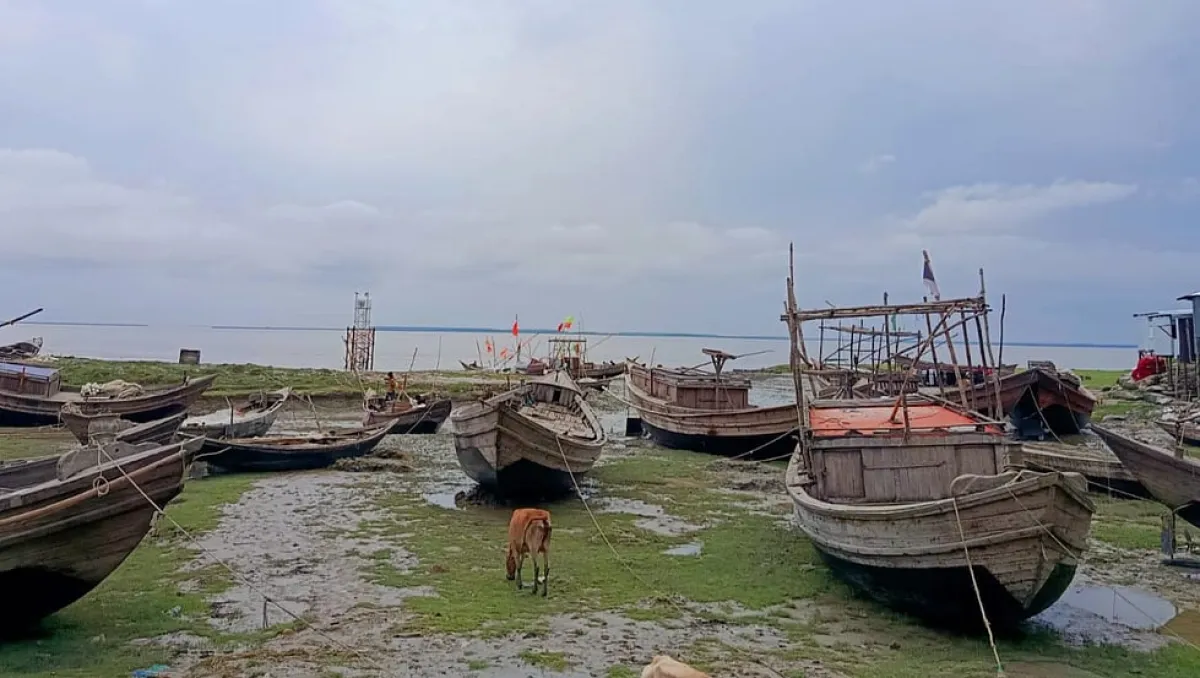
Fishermen in Bangladesh are facing significant hardship and uncertainty as a ban on fishing in key riverine sanctuaries ends, with many unable to return to the waters due to soaring fuel prices and shortages.
The two-month ban, implemented annually to protect juvenile fish, concluded at midnight on Thursday. However, a confluence of issues, including increased diesel costs and limited availability, has left many boats moored and fishermen ashore, deepening their financial struggles.
Yusuf Maji, a 54-year-old fisherman from Bhola Sadar Upazila, voiced the plight of many: "We need fuel to go to the river, otherwise we can't. Otherwise, we will have to borrow money to get by." He highlighted that his six-person crew has endured two months of hardship without adequate support.
For over two decades, the fishing ban has been enforced in areas including the Meghna and Tetulia rivers. While intended to promote sustainable fishing practices and increase awareness, it has not alleviated poverty among the fishing communities. Reports suggest some fishermen have resorted to catching juvenile fish due to financial pressures from loans and NGO installments, although local sentiment indicates these instances are rare, with 90-95% of fishermen adhering to the regulations.
The current crisis is compounded by the fuel price hike and scarcity. Abul Kalam Maji, 45, from Rajapur, explained that while he prepared his boat and nets at the start of the ban, his crew, comprising 14 fishermen, only received a fraction of the government-provided rice subsidy. He added, "We can't just go out to sea now. Shopkeepers won't give us fuel without cash, and we can't even get the amount we need."
Fish traders are also feeling the impact. Shahabuddin Faraji, a wholesaler at the Chardarmaha fish market, noted that fishermen are eager to repay debts after the ban but are deterred by diesel prices ranging from 160 to 180 Bangladeshi Taka per liter, often requiring upfront cash payments.

In Lalmohan Upazila, fishermen and traders are preparing their boats, hoping to resume fishing by Friday if fuel becomes accessible. However, even obtaining four liters of diesel costs 700 Taka, with limited availability. They are calling for subsidized fuel for fishermen.
Similar concerns were echoed by Shah Alam Faraji, a fish trader in Dhal Char, Charfassion Upazila, who stated that fuel is unavailable even with money, preventing fishermen from going out to sea.
Ershad Ali, president of the Small Fishermen and Fishermen's Association in Sadar Upazila, noted that fishermen are forced to pay an additional 10 to 20 Taka per liter for diesel in nearby markets. He urged the government to provide fuel at fair prices, suggesting subsidies would be highly beneficial.
Mehdi Hassan Bhuiyan, the Senior Fisheries Officer in Sadar Upazila, acknowledged the distress caused by the fuel crisis following the two-month ban. He asserted that there is no actual shortage of diesel but did not comment on the fishermen's subsidy demands. He did, however, mention that fisheries farmers now receive a 20% commission or subsidy, implying a similar arrangement could be possible for fishermen.
Mohammad Belal Hossain, Additional Deputy Commissioner (General) of Bhola District Administration, stated that while there is no fuel crisis in Bhola, steps will be taken to ensure fishermen can access it.




