

Former Dhaka University Pharmacy Professor ABM Farooq passes away at 74
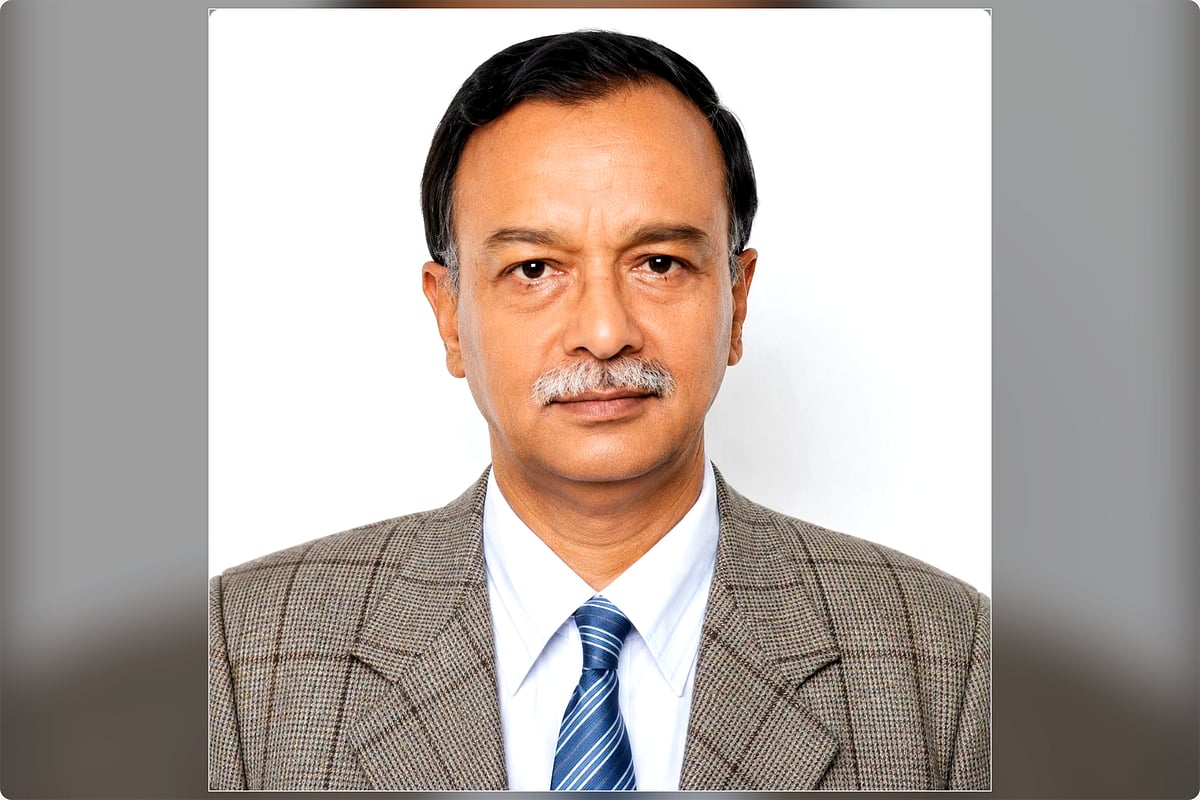
Photo Collected
ABM Farooq, a retired professor of the Department of Pharmaceutical Technology at the University of Dhaka, has died. He was 74.
Professor Farooq passed away while undergoing medical treatment in the United States at 8:07 p.m. on August 13. The university’s public relations office confirmed his death in a press statement released on Sunday.
Born in 1952 in Debidwar, Comilla, Professor Farooq is survived by his wife, two daughters, and a vast community of students and colleagues. Dhaka University Vice-Chancellor Professor ABM Obaidul Islam expressed profound grief over the passing, noting the professor’s significant contributions to public health, pharmaceutical science, and food safety research.
The professor’s remains arrived in Dhaka on Sunday morning. Following formal procedures at the airport, the body was taken to the Department of Pharmaceutical Technology for tributes. Funeral prayers were held at the central mosque of Dhaka University after the Zuhr prayer, followed by his burial at the Shaheed Buddhijibi Graveyard in Mirpur, Dhaka, after the Asr prayer.
Professor Farooq’s academic career at the University of Dhaka began in 1976 when he joined the Department of Pharmacy as a lecturer. Over a distinguished tenure that concluded with his retirement from the Department of Pharmaceutical Technology in 2019, he served in several key leadership roles. He held positions as chairman of both the Pharmacy and Pharmaceutical Technology departments, served as dean of the Faculty of Pharmacy, and directed the university’s Biomedical Research Centre.
Beyond his departmental duties, Professor Farooq was an active member of the university’s senate and syndicate. He also served as the provost of the Shaheed Ziaur Rahman Hall and held leadership roles within the Dhaka University Teachers’ Association, including joint secretary and acting president. Notably, he chaired the sub-committee responsible for formulating the National Drug Policy in 2016.
The Department of Pharmaceutical Technology issued a formal statement acknowledging his legacy, describing his research and public awareness initiatives as widely recognized contributions that significantly impacted the nation’s health and education sectors. His death has drawn widespread expressions of mourning from across the academic and pharmaceutical communities.
0%
0%
0%
0%