
Ensuring long-term food security in Bangladesh requires boosting agricultural production, delivering safe and nutritious food to the public, and effectively curbing food waste. To achieve these national objectives, the adoption of advanced technologies and agricultural innovations across production, preservation, processing, and supply chains is becoming increasingly vital. This commitment to modern solutions was highlighted ahead of World Food Day, observed annually on October 16 under the initiative of the Food and Agriculture Organization of the United Nations. This year's global theme, "Innovate today. Nourish tomorrow," underscores how contemporary innovations can build a secure, nutritious, and sustainable food system for the future.
In Bangladesh, milk serves as a traditional and substantial source of essential nutrients, including protein and calcium. However, this vital source of nutrition is highly perishable. Factors such as hygiene standards during farm collection, cold storage conditions, transportation methods, and precise temperature management directly influence the overall quality of milk. Consequently, maintaining nutritional integrity and quality demands rigorous vigilance throughout the entire journey from dairy farms to ultimate consumers.
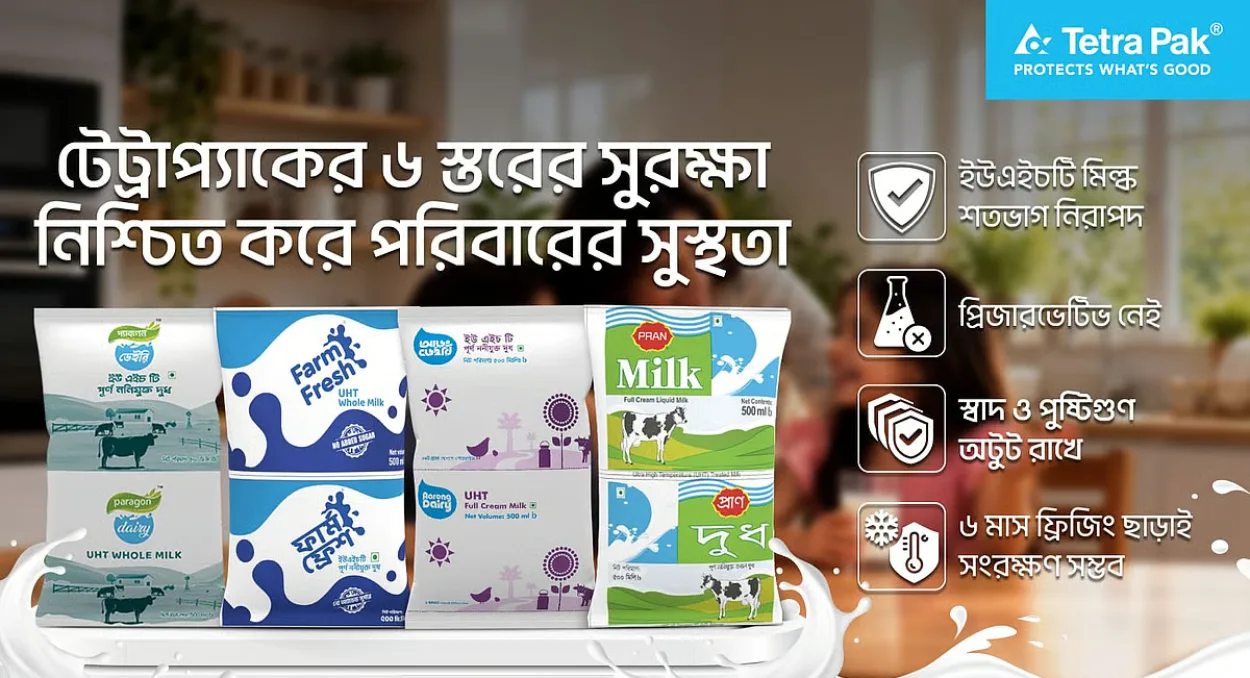
To address these supply chain vulnerabilities, the integration of advanced technology has emerged as a critical solution. Among the modern preservation techniques is the Ultra-High Temperature, or UHT, process, which heats milk to a minimum of 135 degrees Celsius for just a few seconds before rapidly cooling it. This specialized treatment effectively sterilizes the milk and renders it suitable for extended storage periods without compromising safety or taste.
The practical advantages of UHT milk significantly enhance domestic distribution networks, as the product can typically be stored without refrigeration. This characteristic provides substantial logistical benefits during transportation and supply, while also playing a crucial role in minimizing food waste by extending product shelf life.
Ultimately, shaping a resilient future food system demands a focus that extends beyond merely increasing harvest volumes to encompass the capability of preserving food quality and nutritional value. Current technological efforts and innovations are actively strengthening this pathway, ensuring that safe and balanced nutrition reaches consumers across the country in the days ahead.