
Bangladesh power crisis deepens as fuel shortages and technical glitches trigger widespread load shedding
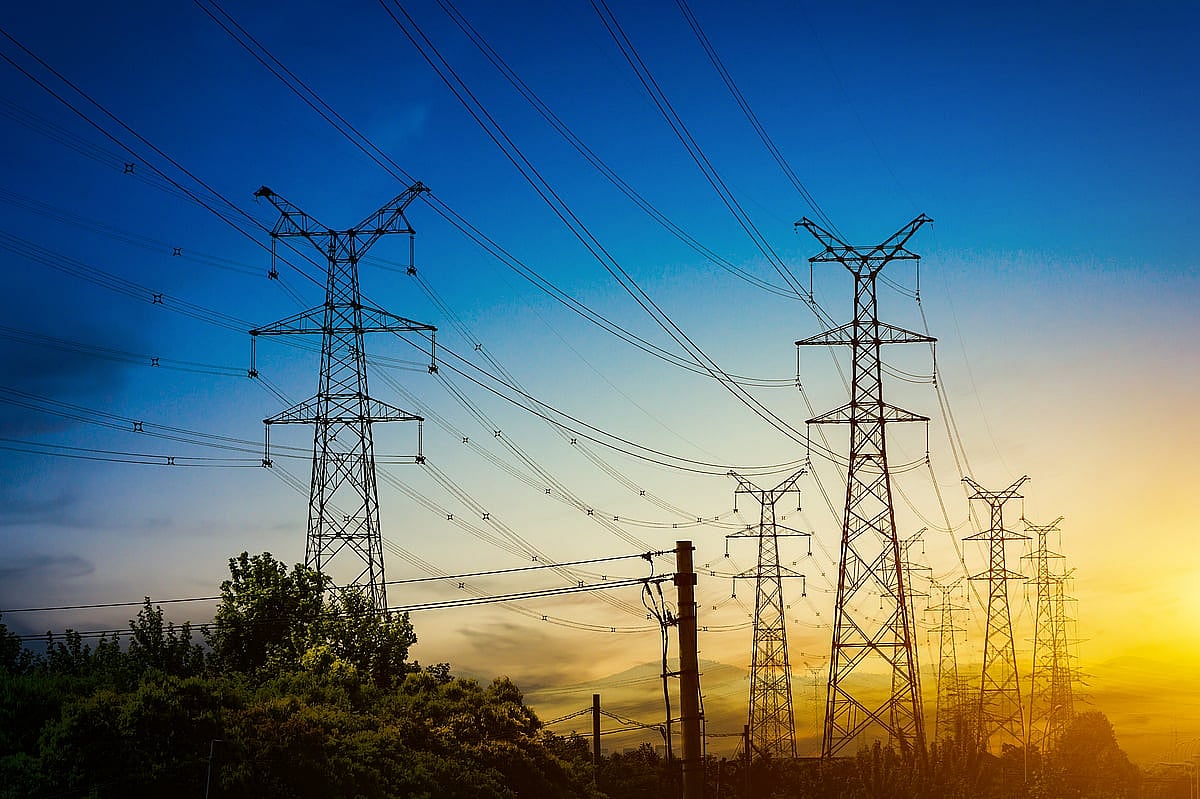
Photo Collected
Bangladesh is grappling with a severe power crisis as a combination of acute gas shortages, fuel supply constraints, and technical failures at major power plants leads to widespread load-shedding. The national grid has been significantly compromised, with authorities reporting that production at 62 power plants was disrupted on Thursday, forcing a maximum load-shedding of 3,664 megawatts during daylight hours.
The country’s power generation capacity stands at approximately 29,000 megawatts, yet supply is failing to meet demand. On Thursday, when the demand reached 16,946 megawatts, only 13,282 megawatts were supplied, leaving more than half of the country’s installed capacity idle. This shortfall has been exacerbated by technical faults at the Payra and Matarbari power plants, as well as reduced output from the Adani Power plant in Jharkhand, India, due to coal supply bottlenecks.
The gas crisis remains the most significant contributor to the instability. Bangladesh requires 3.8 billion cubic feet of gas daily, but current supply, including domestic production and liquefied natural gas (LNG), has plummeted to approximately 2.35 billion cubic feet. Officials attribute part of the supply deficit to an accident at the Summit LNG terminal in Maheshkhali last month. While the terminal has resumed operations, delays in scheduled LNG cargo deliveries have prevented a return to normal supply levels.
Energy sector experts and consumer advocates, including the Consumers Association of Bangladesh (CAB), have criticized the management of the crisis, citing systemic failures in LNG procurement and infrastructural planning. CAB energy advisor M. Shamsul Alam stated that structural reforms are essential to curb mismanagement and volatility in the energy market, noting that the current reliance on emergency procurement and inefficient terminals is unsustainable.
In the capital, Dhaka, residents are facing inconsistent power supply despite directives from the Power Division to limit load-shedding to one hour daily. Distribution companies like DPDC and DESCO are attempting to manage the deficit by scheduling load-shedding windows; however, households frequently report multiple outages lasting longer than the planned duration. In rural areas, the situation is managed by the Rural Electrification Board, where reports indicate that supply gaps are forcing repeat outages in single areas.
The Power Development Board (PDB) is attempting to mitigate the shortfall by increasing production from oil-fired power plants, despite the higher operational costs associated with this fuel. PDB officials noted that while they are trying to maximize output from liquid fuel stations, periodic maintenance and supply shortages continue to hinder the effort. Former president of the Bangladesh Independent Power Producers Association, Imran Karim, suggested that resolving outstanding payment disputes with independent producers could help bring idle capacity back online and alleviate the immediate burden of load-shedding.
0%
0%
0%
0%
More News from Business