
Chittagong Zoo Launches Plastic Waste Recycling Initiative to Offer Free Admission to Students
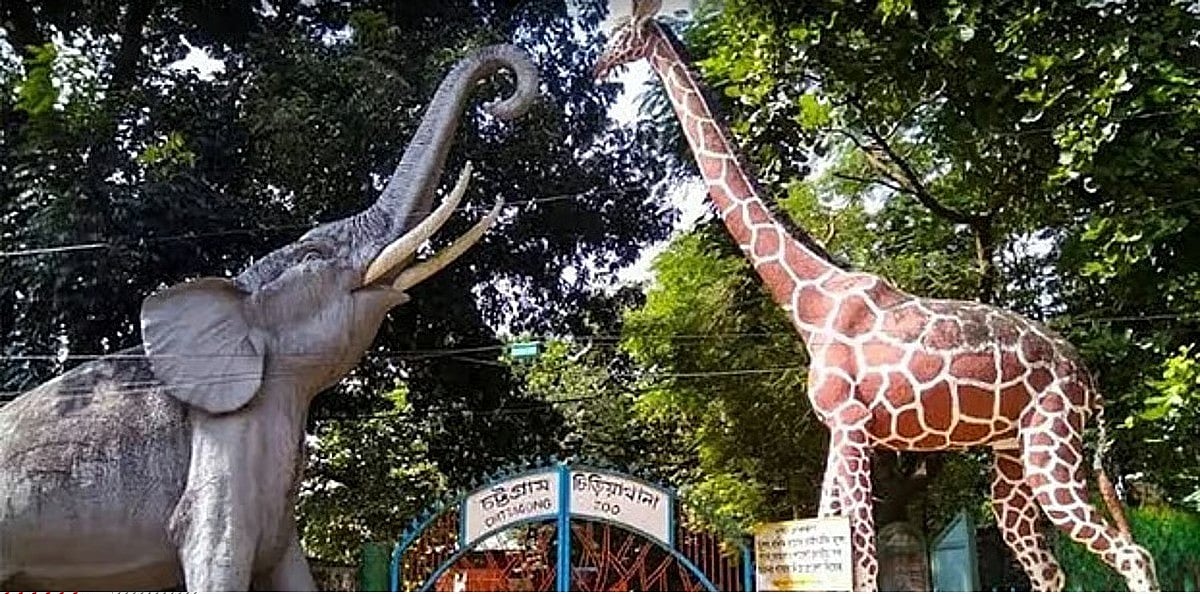
Photo Collected
CHITTAGONG – Students in Chittagong can now gain free entry to the Chittagong Zoo by depositing 100 grams of plastic waste, an initiative launched by the district administration to raise awareness about environmental pollution. To qualify for the offer, students must present a valid institutional identification card at the zoo entrance, where weighing scales have been installed to process the collected waste.
The pilot project saw immediate participation on its opening day, with seven students contributing approximately 700 grams of plastic. Shahadat Hossain, deputy curator of the Chittagong Zoo, confirmed the launch on Tuesday, noting that authorities are currently reviewing the public response to determine the long-term viability and potential expansion of the program.
The initiative was officially announced by Chittagong Deputy Commissioner Mohammad Zahidul Islam Mian, who also chairs the zoo management committee, during a meeting of the District Environment and Forest Development Committee on Monday. Addressing the committee, the deputy commissioner emphasized that plastic waste poses a significant threat to the environment, noting that discarded materials contribute to water stagnation, pest breeding grounds, and various health risks. He stated that the program is designed to instill a sense of environmental stewardship among the younger generation.
Zoo authorities have confirmed that the collected plastic will not be sent to landfills. Instead, they are currently in discussions with the Chittagong City Corporation to implement recycling processes, aiming to transform the waste into useful resources.
The global environmental crisis caused by plastic pollution remains severe. According to United Nations Environment Programme data, between 19 million and 23 million tons of plastic waste enter aquatic environments annually. Because plastic does not biodegrade, it eventually breaks down into microplastics that infiltrate water, soil, and the food chain.
During the same meeting, the deputy commissioner also issued a strict warning regarding the illegal harvesting of fertile topsoil for brick production. He declared that the administration would enforce existing regulations rigorously to protect agricultural land, stipulating that brick manufacturing must rely on soil sourced legally from approved excavation or development projects. The meeting was attended by senior officials, including the director of the Department of Environment for the Chittagong division and several additional deputy commissioners.
0%
0%
0%
0%