
Rising violent muggings in Dhaka leave three women dead and highlight systemic police reporting failures
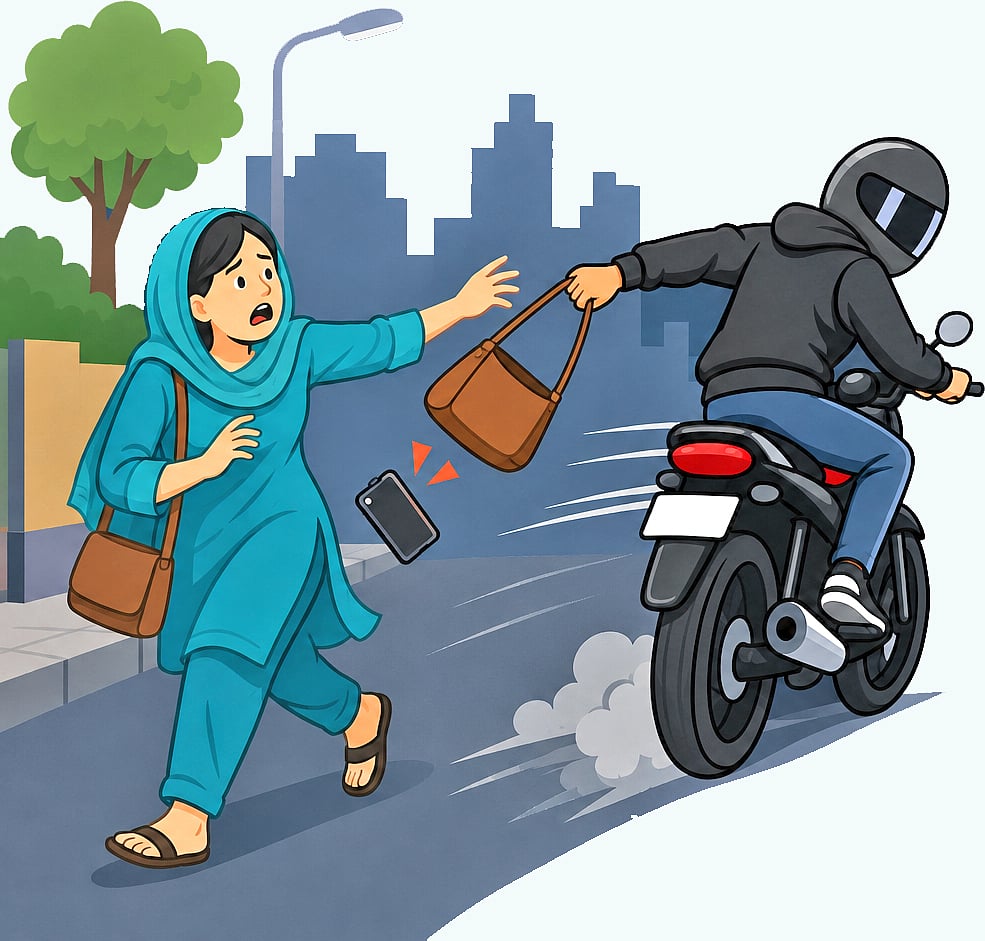
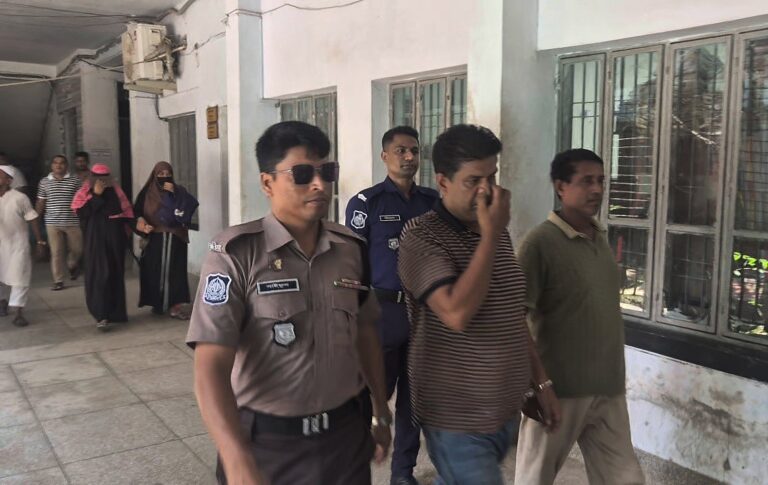
Photo Collected
Street muggings in Dhaka have reached an alarming level of volatility, resulting in the deaths of three women over the last six months alone. All three victims died after being forcefully pulled from moving rickshaws or autorickshaws by perpetrators, a recurring tactic that highlights a systemic breakdown in public safety.
The victims include Ranjila Parvin, a teacher from Bogura who succumbed to injuries after being dragged from a rickshaw on August 29, Mukta Akter in Uttara, and Soheli Islam, who died in June after an attack near the Shaheed Suhrawardy Medical College Hospital. Despite the high frequency of such incidents, the true scale of the crime wave remains obscured by police practices.
Analysis of 22 high-profile mugging cases between March 1 and August 30 shows a consistent pattern of violence, including the use of knives, machetes, and firearms. Of the 26 victims identified in these cases, 20 were men and six were women. While women represent a smaller fraction of the total victims, they account for three of the four fatalities recorded in this period.
A significant obstacle to accurate reporting is the police practice of recording muggings as simple “lost item” General Diaries (GD) rather than criminal cases of robbery or mugging. Many victims report that when they attempt to file a formal complaint after being robbed at knifepoint, officers discourage them, opting instead to register the incident as a lost mobile phone or wallet. This administrative manipulation hides the gravity of the crimes and prevents an accurate understanding of the security landscape.
The data reveals that muggings are no longer confined to the dead of night. Approximately 68 percent of the analyzed cases occurred during the early morning hours and the evening, but significant incidents were also reported throughout the day. Transport hubs such as Gabtoli, Shyamoli, and Jatrabari have become high-risk zones, with passengers arriving from outside Dhaka frequently targeted while traveling from bus terminals to their destinations.
Geographically, the Tejgaon division—encompassing Mohammadpur, Adabor, Sher-e-Bangla Nagar, and Tejgaon—emerged as the most dangerous area, accounting for nine of the 22 analyzed cases. Other hotspots include Jatrabari, Demra, Wari, Motijheel, and Uttara.
Criminals are increasingly operating in groups, often using multiple motorcycles to surround victims. In at least eight documented cases, the targets were individuals carrying significant amounts of cash for business purposes, such as payroll or bank deposits. In several instances, perpetrators did not stop at seizing physical assets, going on to demand ransoms from the victims’ families via mobile banking apps.
Responding to the rising crime rates, Mohammad Osman Gani, Additional Commissioner (Crime and Operations) of the Dhaka Metropolitan Police, stated that authorities have deployed 88 checkpoints across the capital and increased patrol teams in every police station. He added that departmental action would be taken against officers who misclassify criminal acts as “lost property” cases.
Despite these assurances, public confidence remains low. Many residents report that police checkpoints are often unmanned or that officers on duty are frequently distracted by their mobile phones. For daily commuters, the fear of being targeted in broad daylight while traveling between home and work has become a constant reality in the capital.
0%
0%
0%
0%