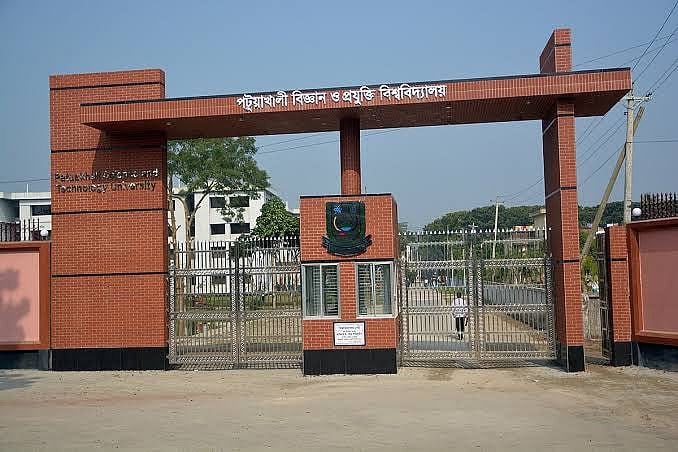
Life After the Bench: Perspectives and Challenges of Former Chief Justices of Bangladesh
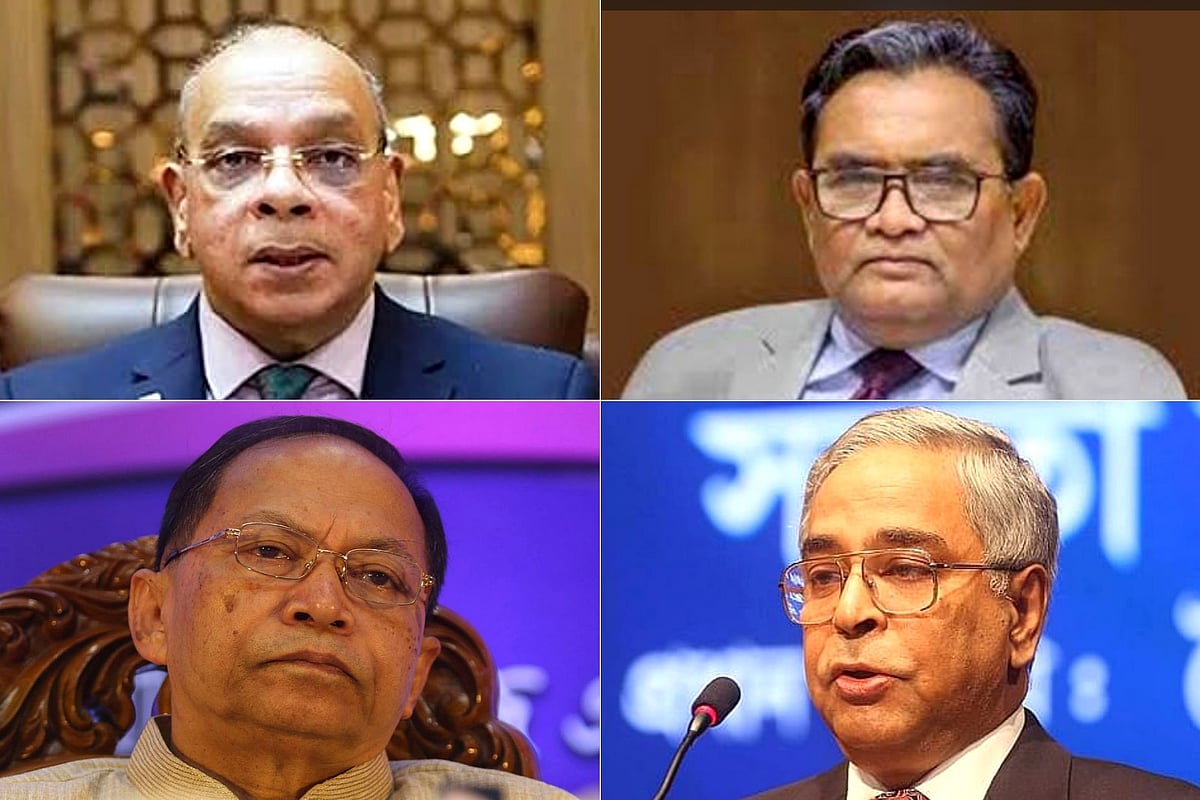
Photo Collected
Since the independence of Bangladesh, 25 individuals have served as Chief Justice of the Supreme Court. Over the past five decades, this position has been marked by diverse career trajectories, ranging from the assumption of the presidency and the leadership of caretaker governments to forced resignations and legal proceedings. Of the 25 former chief justices, 14 are deceased, while 11 remain alive.
Currently, Justice Zubair Rahman Chowdhury serves as the 26th Chief Justice of Bangladesh, having taken his oath on December 28, 2023. Under constitutional provisions, Supreme Court judges retire at the age of 67. Born on May 18, 1961, Justice Chowdhury is scheduled to reach the mandatory retirement age on May 17, 2028.
The judiciary has seen significant turnover in recent years. Justice Syed Refaat Ahmed, who took office on August 11, 2024, following the July mass uprising, retired on December 27, 2024, upon reaching the age limit. He is currently occupied with academic reading and writing. Meanwhile, his predecessor, Justice Obaidul Hasan—who served as the 24th Chief Justice—resigned on August 10, 2024, along with five other judges of the Appellate Division following intense student-led protests and the suspension of a full court meeting. His resignation occurred one year and five months before his term was slated to conclude.
The post-retirement lives of the 11 surviving former chief justices vary significantly. While most reside in Bangladesh, former Chief Justice Surendra Kumar (S.K.) Sinha lives in Toronto, Canada. Justice Sinha, the country’s first non-Muslim Chief Justice, resigned in November 2017 amid controversy surrounding his ruling on the 16th constitutional amendment. He has since been convicted in a corruption case filed by the Anti-Corruption Commission and currently expresses difficulty in returning to Bangladesh, citing issues with travel documentation and financial strain.
Other former chief justices, such as Hasan Foyez Siddiqui (23rd) and Syed Mahmud Hossain (22nd), remain engaged in legal research and arbitration. Conversely, some have faced profound legal and personal turmoil. Former Chief Justice A.B.M. Khairul Haq (19th), whose tenure was marked by the controversial ruling that scrapped the caretaker government system, was arrested in July 2025 in connection with a murder case linked to the July uprising. He was released on bail in August 2026 after spending over a year in detention.
Historical records indicate that the office has occasionally served as a gateway to executive power. Justice Abu Sadat Mohammad Sayem, the first Chief Justice, assumed the presidency in 1975. Similarly, Justice Shahabuddin Ahmad (6th) served as both the head of the interim government in 1990 and later as the President of Bangladesh. Justice Muhammad Habibur Rahman (7th) and Justice Latifur Rahman (10th) also served as chief advisers to caretaker governments.
The list of deceased former chief justices includes Abu Sadat Mohammad Sayem, Syed A.B. Mahmud Hossain, Kamal Uddin Hossain, F.K.M. Munim, Badrul Haider Chowdhury, Shahabuddin Ahmad, Muhammad Habibur Rahman, Mostafa Kamal, Latifur Rahman, Mahmudul Amin Chowdhury, Mainur Reza Chowdhury, Mohammad Ruhul Amin, M.M. Ruhul Amin, and Mohammad Fazlul Karim.
0%
0%
0%
0%