
Japan Advances Sustainable Rice Cultivation and Climate Resilient Farming to Ensure Food Security
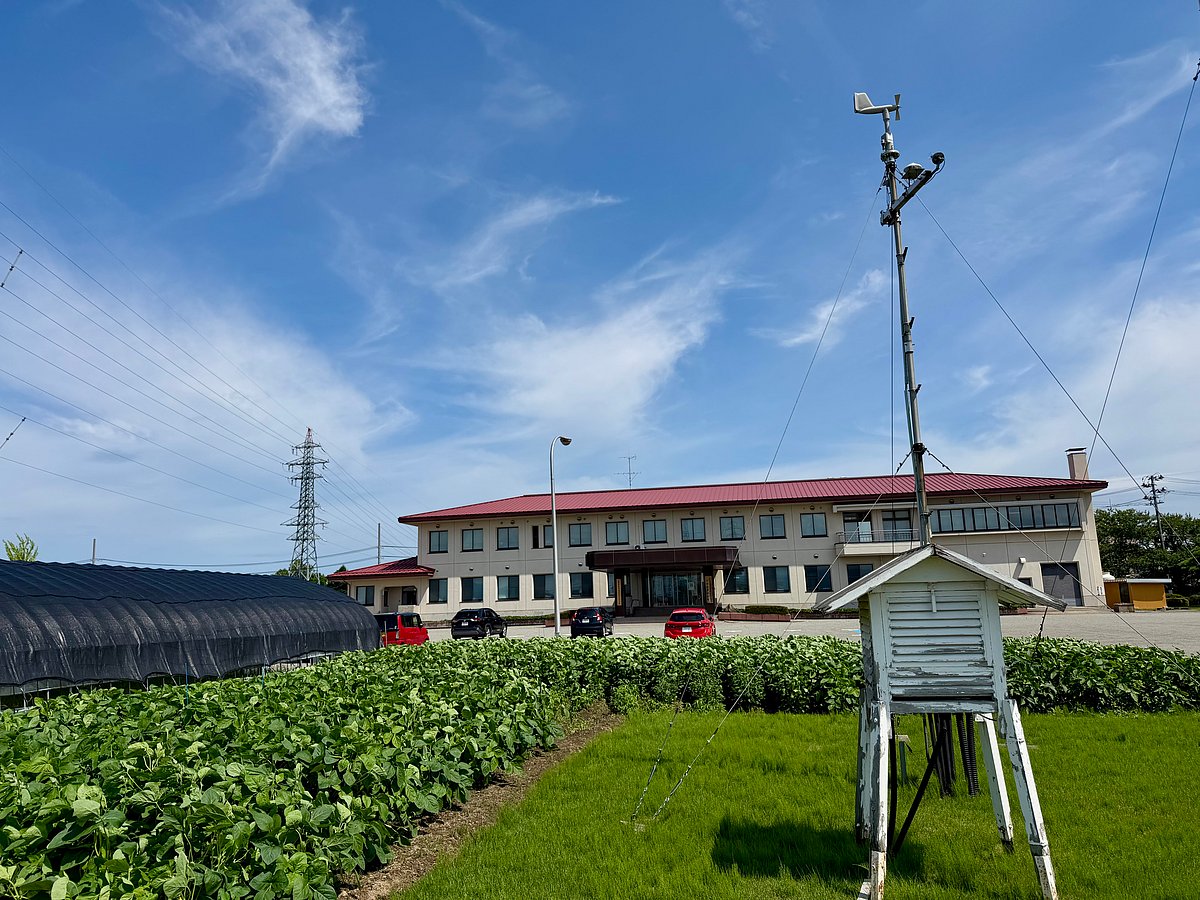
Photo Collected
Global food security is currently facing unprecedented volatility due to the combined pressures of climate change, the COVID-19 pandemic, and ongoing geopolitical conflicts in Ukraine and Iran. Japan, heavily reliant on food imports with a caloric self-sufficiency rate of approximately 38 percent as of the 2025 fiscal year, has prioritized internal agricultural stability to mitigate these risks. The nation faces additional internal constraints, including a shrinking population and an aging agricultural workforce, prompting an urgent pivot toward high-tech, sustainable farming solutions.
Rice production serves as the cornerstone of Japan’s food security strategy, currently meeting roughly 98 percent of domestic demand. To sustain this output, the government is combining policy support with environmental incentives. Recent initiatives, such as the 2021 “Midori Strategy” formulated by the Ministry of Agriculture, Forestry and Fisheries (MAFF), aim to transform the food supply chain. The policy outlines ambitious targets for 2050, including achieving carbon neutrality in agriculture, reducing chemical pesticide risks by 50 percent, and increasing organic farming to 25 percent of total cultivated land.
The “Midori Law,” enacted in 2022 to support these goals, provides financial incentives, tax breaks, and simplified administrative processes for farmers adopting eco-friendly technologies. By July 2024, more than 17,000 producers had utilized these provisions. Furthermore, Japan has introduced a “J-Credit” system, allowing farmers to monetize carbon emission reductions, and an environmental labeling program that utilizes star ratings on food packaging to inform consumers about the carbon footprint of their purchases.
The Yamagata Prefecture, situated in the Tohoku region, has emerged as a primary laboratory for these innovations. During a recent visit by international journalists to the Shonai Plain—a hub for rice cultivation—officials from the Tohoku Regional Agricultural Administration office highlighted how localized implementation of national policies is bridging the gap between traditional farming and climate-resilient practices.
At the Yamagata Integrated Agricultural Research Center’s Institute of Crop Science, researchers are focused on the existential challenge posed by rising temperatures. With 2023 seeing record heat waves that severely impacted grain quality, the development of heat-tolerant rice varieties has become a top priority. The institute, which has developed over 130 rice varieties since 1920, is currently testing the “Yukimanten” variety, scheduled for commercial release in 2027. This variety is designed to maintain taste, texture, and yield despite increasingly harsh weather conditions.
Beyond genetic development, researchers are promoting climate-smart cultivation methods, such as “Alternate Wetting and Drying” (AWD). This technique allows for the periodic draining of paddy fields, which can reduce methane emissions—a potent greenhouse gas—by up to 30 percent without compromising yields. Other initiatives include precision fertilizer application to minimize environmental runoff and the use of DNA markers to accelerate the breeding of resilient, high-quality strains.
While these advancements represent a significant leap in agricultural technology, experts like Reiko Nakaba, Director of the Research Institute, acknowledge that regional cooperation remains complex. Despite the shared challenges faced by rice-dependent nations like Bangladesh, language barriers and unique ecological variables have limited direct collaborative projects. Nevertheless, the strategies deployed in the Shonai Plain underscore a global imperative: the future of food security lies at the intersection of laboratory innovation, climate-responsive management, and sustainable land-use policies.
0%
0%
0%
0%
More News from Business