Twenty-four Bangladeshi fishermen return home after eight months in Arakan Army captivity
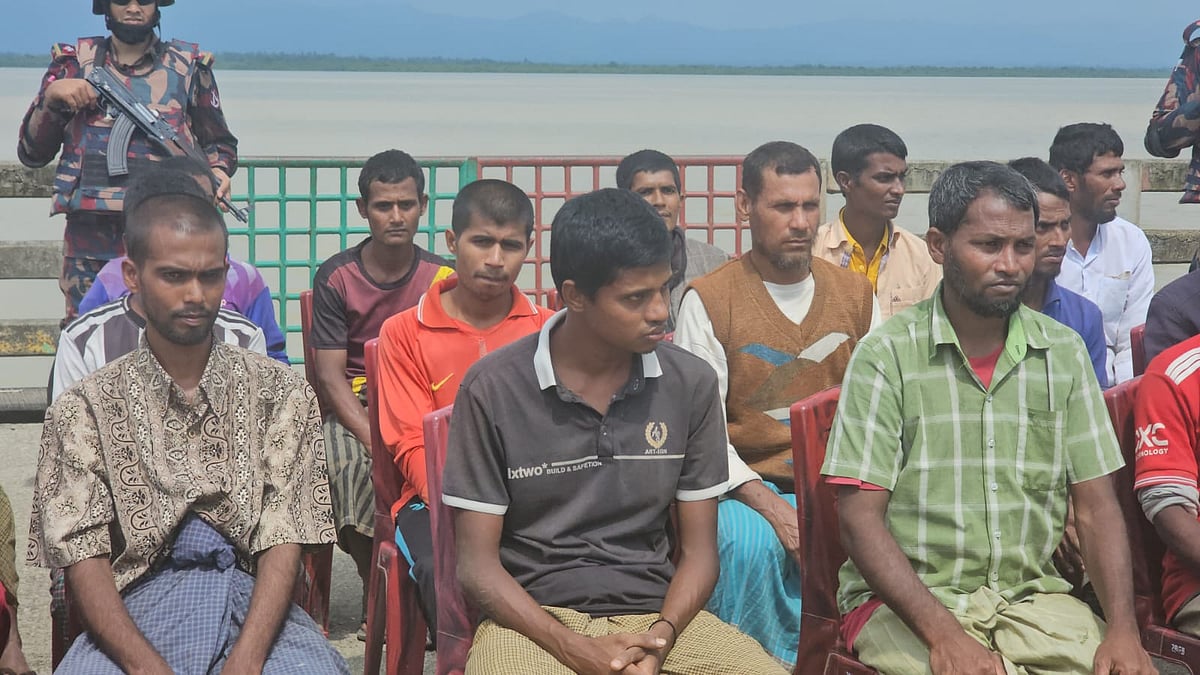
Photo Collected
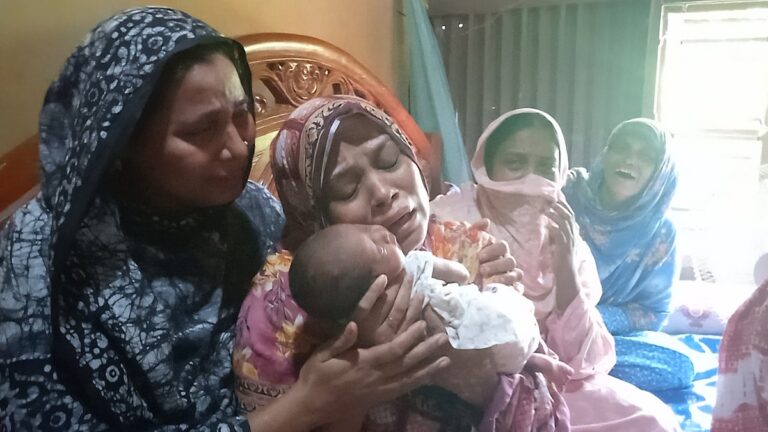
Twenty-four Bangladeshi fishermen returned home on August 19 after spending eight months in captivity under the Arakan Army, an ethnic armed group controlling parts of Myanmar’s Rakhine State. The release followed persistent diplomatic and operational efforts by the Border Guard Bangladesh (BGB).
The freed men reported harrowing conditions while being held in Rakhine, where they were forced to wear heavy iron shackles and perform manual labor, including agricultural work, bunker construction, and road repairs. Detainees were provided only two meals of dried fish and rice per day. During their captivity, they remained in constant fear as the Myanmar military conducted frequent airstrikes on Arakan Army positions near their detention site. The fishermen described the terrifying experience of hearing fighter jets and feeling the ground tremble from exploding bombs, often while being held in precarious, unstable conditions.
The fishermen had been seized after inadvertently crossing the maritime border into Myanmar waters while fishing. The conflict in Rakhine, particularly in the Maungdaw Township, has severely disrupted the lives of thousands of residents in the Bangladeshi border regions of Teknaf, Ukhiya, and Naikhongchhari. Beyond the threat of abduction, local fishermen face significant dangers from landmines planted by the Arakan Army and are unable to fish safely in the Naf River or the Bay of Bengal.
Lieutenant Colonel Hanifur Rahman Bhuiyan, commander of the Teknaf-2 BGB battalion, confirmed that the 24 men were handed over at the zero line of the Naf River. Following identity verification, they were reunited with their families. According to BGB data, between January 1, 2025, and August 18, 2026, the Arakan Army has detained 434 individuals, including 222 Bangladeshis and 212 Rohingya, in connection with seized vessels. While 348 people have been secured through BGB intervention, 65 Bangladeshis and 21 Rohingya remain in Arakan Army custody.
Released detainees, such as Mohammad Abdullah from St. Martin’s Island, recounted being interrogated about alleged links to insurgent groups like the Arakan Rohingya Salvation Army (ARSA) before being moved to a prison in Maungdaw. Another survivor, Nurul Alam, described being blindfolded and chained immediately upon capture. He noted that their captors used seized Bangladeshi fishing boats for their own logistical purposes, a recurring issue that local boat owners say has never been resolved even under previous Myanmar administrations.
The security situation remains volatile. On August 8, another fishing boat was seized by the Arakan Army near Shahporir Dwip in the Naf River. As the conflict intensifies, local fishing associations report that the loss of vessels, combined with the constant risk of detention, has devastated the livelihoods of those dependent on the sea.
0%
0%
0%
0%