Hydrogen sulfide gas from tanker water identified as primary cause of deadly Sitakunda shipbreaking accident
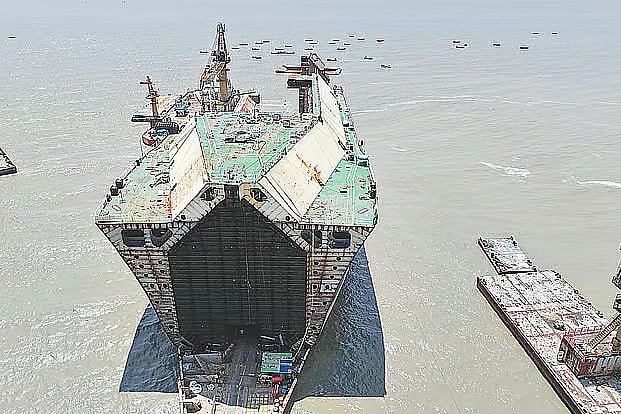
Photo Collected
A preliminary investigation report submitted to the Ministry of Industries has identified dissolved hydrogen sulfide gas within ship tanks as the likely cause of a fatal accident that claimed 10 lives at a shipbreaking yard in Sitakunda, Chittagong. Experts believe the gas was released from the water during de-ballasting operations, exposing workers to lethal concentrations.
The incident occurred on August 14 at Ferdous Steel Ship Recycling Industries while workers were dismantling the ‘MT Racy,’ a former liquefied natural gas (LNG) carrier. The fatalities, which initially stood at nine, rose to 10 following the death of an injured worker under medical care. Following the tragedy, the Bangladesh Ship Recycling Board suspended all operations at the facility.
A team of experts, led by Professor Mohammad Yasir Arafat Khan of the Department of Chemical Engineering at the Bangladesh University of Engineering and Technology (BUET), conducted an on-site inspection and submitted their initial findings to the Ministry of Industries last Wednesday.
Professor Khan explained that the accident occurred while workers were de-ballasting the vessel’s third tank. The expert team posits that hydrogen sulfide, which was dissolved in the ballast water, was released into the air as the water was pumped out. While current air quality tests at the site show no presence of the gas, samples have been sent to a laboratory for detailed analysis to confirm the specific conditions under which the gas formed and accumulated.
The Department of Explosives, which inspected the site shortly after the accident, previously confirmed the presence of hydrogen sulfide at the scene. Their preliminary assessment recorded a concentration of 10.8 parts per million (ppm) in the air within the affected area shortly after the incident, though officials noted that levels at the exact time of the exposure were likely higher.
The investigation team has ruled out the presence of carbon monoxide, which is often a concern in such environments. Despite these preliminary findings, several critical questions remain regarding the chemical density and the exact mechanism of gas release.
Currently, three separate committees are investigating the disaster, including an 11-member panel appointed by the Ministry of Industries. Secretary of the Ministry of Industries Abdun Naser Khan confirmed that the ministry’s committee is actively gathering evidence and expects to finalize its report soon. The expert team emphasized that a definitive conclusion regarding the incident will only be reached upon the completion of a comprehensive investigation.
0%
0%
0%
0%