Severe gas crisis cripples cooking and transport across Dhaka as pressure plummets
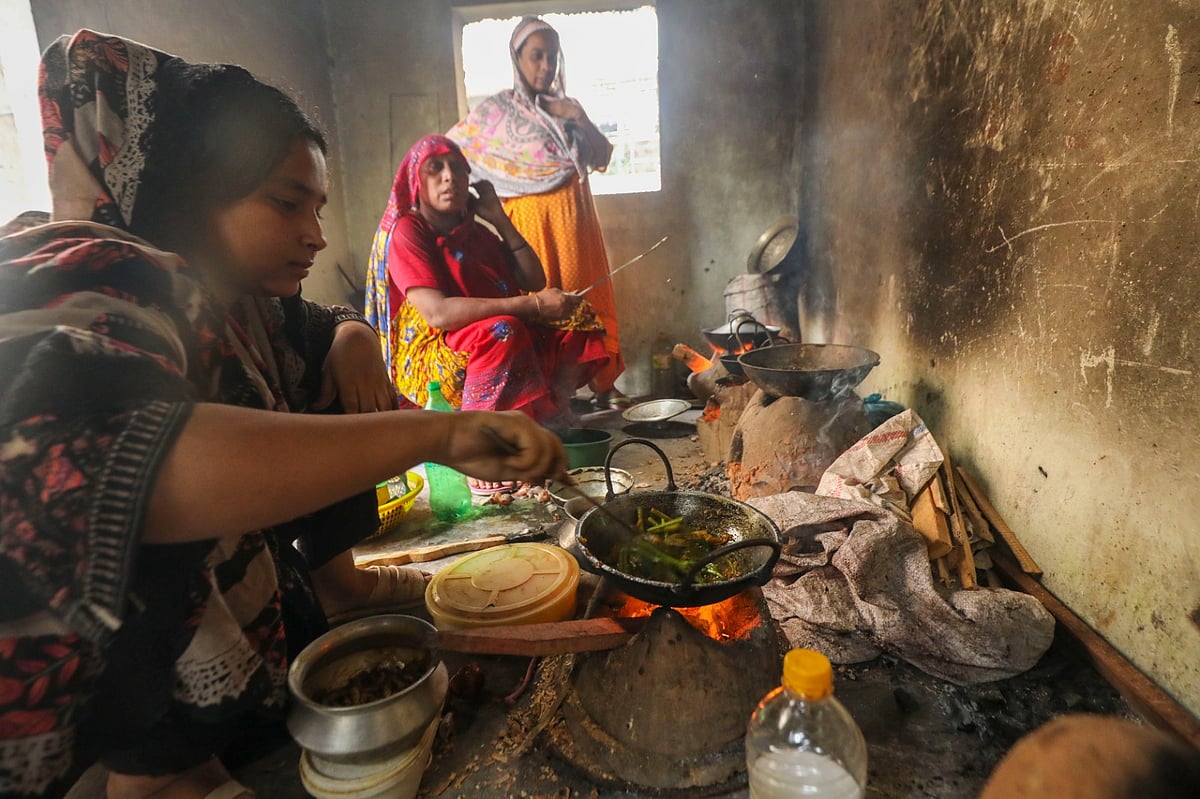
Photo Collected
A severe natural gas crisis is gripping the Mirpur area of Dhaka, forcing households to endure hours of delays for basic meal preparations and causing significant disruptions at Compressed Natural Gas (CNG) filling stations.
In the Amtala neighborhood, residents of an eight-family tenement share a single kitchen equipped with two burners. The gas pressure has plummeted to such low levels that boiling water and cooking simple meals now require several hours, forcing women to queue for their turn at the stove. Residents report that they can no longer cook rice directly; instead, they must heat water first and then attempt to prepare food in stages, often spending nearly the entire day in the kitchen.
For working women, the crisis is particularly acute. Those employed in the garment sector or domestic service must rise before dawn to begin cooking, often finding that the gas pressure is insufficient to even ignite the burners. Similar conditions are reported in the Senpara area, where households have been forced to alter their daily routines. Families are now cooking lunch and dinner as early as 10:00 a.m. to avoid the absolute depletion of gas later in the day, with many opting for cold meals to bypass the need for stovetops.
The infrastructure strain extends to the city’s transport network, where CNG stations are struggling with critically low pressure. At the Mirpur Ceramics Refueling and Conversion Centre, operators reported that pressure has dropped to 70 PSI, compared to the usual 80–90 PSI. This deficiency means that vehicles take significantly longer to refuel and receive a fraction of their usual capacity.
Drivers are reporting massive losses in productivity. Private car owners are waiting nearly three hours to refuel, only to find that the low pressure—often compounded by air intake—renders the fuel insufficient for standard daily commutes. Public transport operators are facing even greater hardship; drivers report that they are receiving only a fraction of their usual gas load, leaving them unable to complete scheduled routes between Mirpur and Azimpur without the risk of their vehicles stalling mid-journey.
Several facilities, including the Minerva and Shahjalal CNG stations, have been forced to suspend operations entirely due to the lack of supply. At the Aria CNG filling station, long queues of private cars and auto-rickshaws have become a permanent fixture, spilling out onto the main roads. As load-shedding continues to exacerbate the situation, frustrated commuters and residents have called for a more consistent supply strategy, noting that the intermittent availability of gas has made daily life and professional transit increasingly unsustainable.
0%
0%
0%
0%