Bangladesh Holds Presidential Election With Mirza Fakhrul Islam Alamgir As Frontrunner
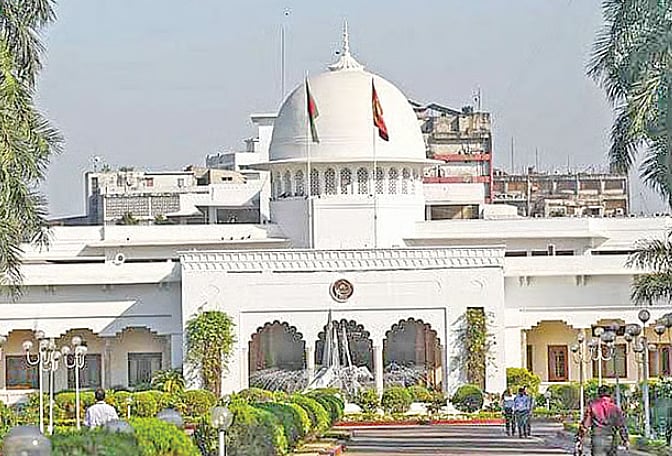
Photo Collected
Bangladesh holds its 23rd presidential election on Thursday, an exercise that remains largely procedural due to the ruling Bangladesh Nationalist Party’s (BNP) two-thirds parliamentary majority. The BNP candidate, Mirza Fakhrul Islam Alamgir, is widely expected to secure the presidency, moving into the Bangabhaban, the official presidential residence.
Voting is scheduled to take place from 2:00 p.m. to 5:00 p.m. in the Jatiya Sangsad Bhaban. The electoral college consists of 349 members of parliament, including seats reserved for women. The vote of BNP lawmaker Aslam Chowdhury remains suspended under a court order.
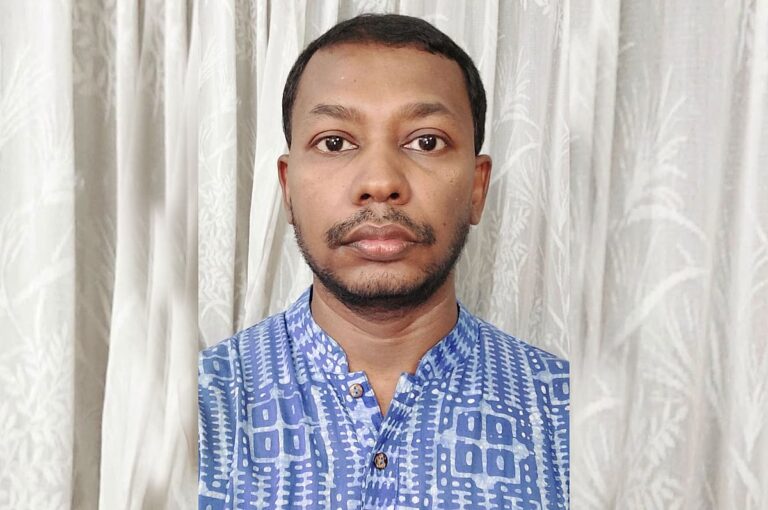
Mirza Fakhrul Islam Alamgir, the immediate past secretary general of the BNP, faces opposition from Oli Ahmed, the chairman of the Liberal Democratic Party (LDP), who is the candidate for an 11-party opposition coalition. This coalition includes the National Citizen Party (NCP) and Bangladesh Khilafah Majlis. While the BNP holds 247 seats, the opposition coalition controls 90, with the remainder held by independent lawmakers and the Islami Andolan party.
Under the parliamentary system of Bangladesh, the president serves as the constitutional head of state rather than the head of government. While the position holds significant symbolic prestige and immunity, executive authority is primarily vested in the prime minister and the cabinet.
According to Article 48(3) of the Constitution, the president acts on the advice of the prime minister, with two notable exceptions: the appointment of the prime minister and the chief justice. In cases where no party secures a clear majority in a general election, the president’s role in facilitating government formation becomes constitutionally pivotal. Furthermore, the president holds the authority to grant pardons or commute sentences, although this is generally exercised in consultation with the government.
The president enjoys complete legal immunity during their term, meaning they cannot be prosecuted in any court or subjected to arrest. However, the office is subject to impeachment by the parliament for violations of the constitution or gross misconduct. Such a process requires a two-thirds majority vote in the Jatiya Sangsad. A similar process exists for removal based on physical or mental incapacity, confirmed by a medical board.
The presidential term is five years, with a two-term limit. Upon assuming office, a sitting member of parliament must vacate their seat, a condition that would apply to Mirza Fakhrul Islam Alamgir should he be elected. Candidates must be at least 35 years old and possess the qualifications required for parliamentary membership.
The election is conducted by the Election Commission. If more than one candidate is nominated, the winner is determined by a vote among members of parliament. This marks the first contested presidential election in 35 years.
In addition to a tax-free monthly salary of 120,000 taka, the president is provided with a wide range of state benefits, including the use of Bangabhaban, transportation, security, and medical coverage for their family, even after leaving office. The president also manages an annual discretionary fund of 20 million taka.
In the event the presidency falls vacant, the Speaker of the Jatiya Sangsad serves as acting president. Speaker Hafiz Uddin Ahmed has been fulfilling these duties since the resignation of former President Mohammed Shahabuddin last month.
0%
0%
0%
0%
More News from Local