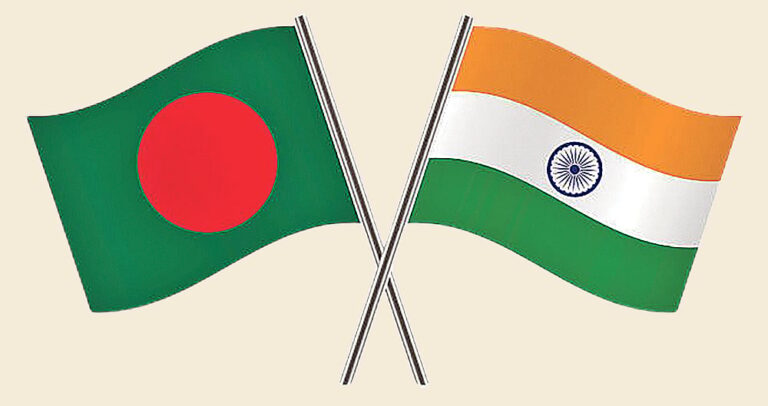
Bilateral Ties Between India and Bangladesh Stagnate Amid Growing Distrust and Strategic Misalignment
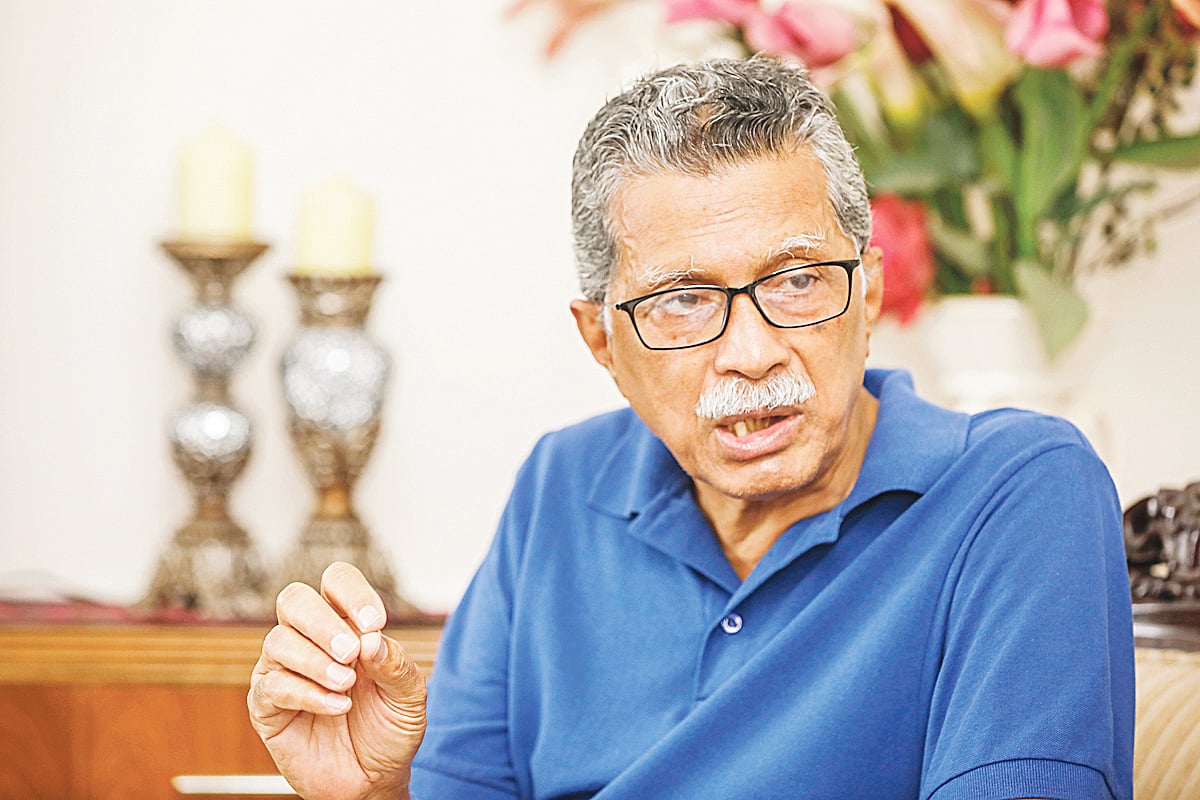
Photo Collected
Despite initial overtures from official Indian circles and key politicians regarding the advancement of bilateral relations following Bangladesh’s February election, a palpable sense of hesitation has stalled progress. While expectations for a renewed strategic trajectory were high, India appears to have adopted a wait-and-see approach, leaving the momentum of the partnership significantly blunted.
Bangladesh has demonstrated proactive efforts to normalize ties since the polls. Immediately following the election, Dhaka liberalized visa procedures for Indian citizens. Conversely, India maintained a more guarded stance, delaying the full resumption of visa services for Bangladeshi nationals until the arrival of High Commissioner Pranay Verma in June. This disparity in response underscores a growing gap in mutual confidence over the past six months.
Observers note that India’s strategic trajectory remains rigid, showing little interest in internalizing the shifting political realities of post-election Bangladesh. Tensions were further exacerbated by Prime Minister Tarique Rahman’s state visit to China via Malaysia, which prompted critical reactions within Indian circles. India’s subsequent decision to provide a platform for former Prime Minister Sheikh Hasina to address the media during her time in Delhi has been perceived by many as a signal of skepticism toward the current government in Dhaka.
The disconnect is further illustrated by recent statements from the new Indian High Commissioner upon his arrival in Bangladesh. These remarks have fostered a perception in Dhaka that New Delhi is struggling to grasp the nature of the country’s political transition. The combination of stalled progress and perceived miscommunication has left the bilateral relationship mired in ambiguity.
The situation reached a flashpoint last Wednesday when Sheikh Hasina’s media interaction in Delhi triggered a negative reaction across broad segments of Bangladeshi society, extending beyond government and political circles to the general public. This event has introduced a new layer of complexity to the diplomatic impasse.
Former ambassador and Bangladesh Enterprise Institute president M. Humayun Kabir suggests that the presence of the former Prime Minister as a focal point remains a significant obstacle to stability. For the relationship to move forward, it is essential that India acknowledges and respects the political changes that have occurred within Bangladesh. Moving beyond current sensitivities and focusing on shared interests will be crucial; failure to do so risks further entrenching the existing stagnation in bilateral ties.
0%
0%
0%
0%