Unpaid Educators Struggle to Sustain Degree Programs at Remote Brahmanbaria College
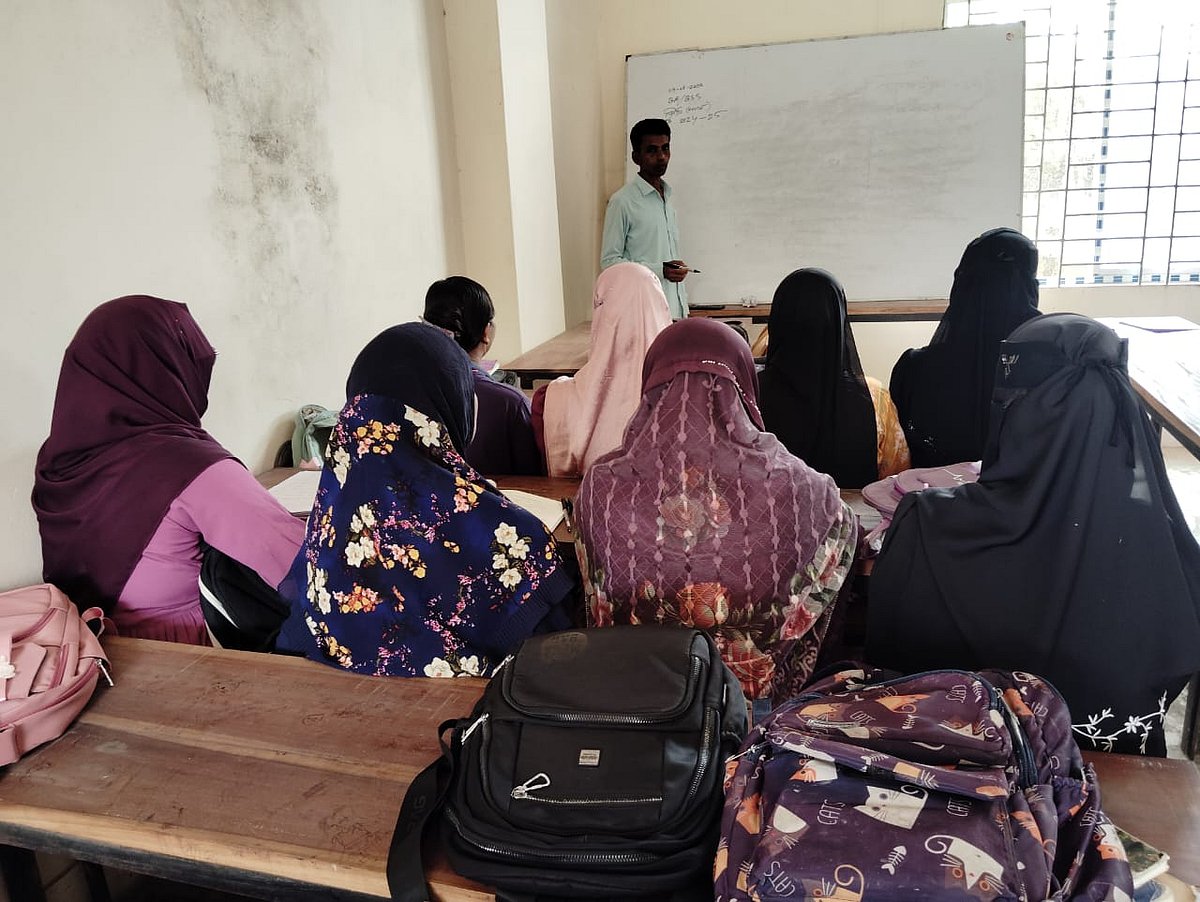
Photo Collected
For over a decade, Alfaz Uddin has dedicated his life to shaping the minds of students at Chatolpar Degree College in Brahmanbaria, yet he remains unpaid. As a lecturer for the college’s degree and certificate courses, Uddin is one of ten educators at the institution who have worked without a salary for 11 to 15 years. While the college maintains academic approval from the National University, its failure to secure government payroll inclusion, known as MPO (Monthly Pay Order) status, has left these teachers in a state of financial crisis.
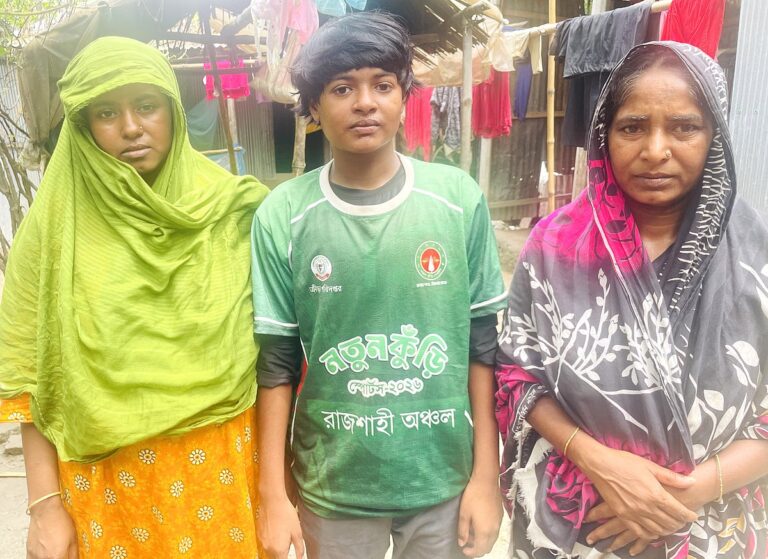
The struggle faced by Uddin, a resident of Kathalkandi village, highlights the precarious reality for teachers at this remote institution. With no steady income, he supports his family by cultivating vegetables on 20 decimals of leased land. As reported by Prothom Alo, Uddin revealed that he must work in fields and markets alongside his father just to meet the family’s basic monthly expenses of 25,000 to 30,000 taka. He noted that the financial strain often forces him to withdraw from social obligations, as he cannot afford the costs associated with attending community events.
The situation is equally dire for other faculty members. Abdur Rashid, an Islamic Studies teacher who joined the college in 2014, has been forced to sell land and rely on his wife’s modest income as a primary school teacher, alongside taking on private tutoring to survive. Despite the personal toll, Rashid continues to commute to the college, incurring daily travel expenses of up to 300 taka, further eroding his limited resources.
Established in 1995 along the banks of the Meghna River, Chatolpar Degree College serves approximately 550 students, including 200 in its degree programs. The college is geographically isolated, located 22 kilometers from the Nasirnagar upazila headquarters, a journey that involves a grueling two-to-three-hour commute via boat and unpaved roads during the monsoon season.
College Principal Md. Omar Ali acknowledged that the institution lacks the financial resources to compensate the lecturers, as its income barely covers basic operational costs. Although the college has applied for MPO status three times since the introduction of its degree courses, those efforts have yet to yield results. Despite consistent academic success among students, the educators remain without institutional support.
In a bid to resolve the impasse, college authorities have appealed to the local Member of Parliament, M.A. Hannan, who has formally requested that the Ministry of Education consider the college for inclusion in the government’s payroll system. For now, the teachers continue to conduct classes, sustained by the hope that their long-term sacrifice will eventually be recognized with the financial security that has eluded them for over a decade.
0%
0%
0%
0%